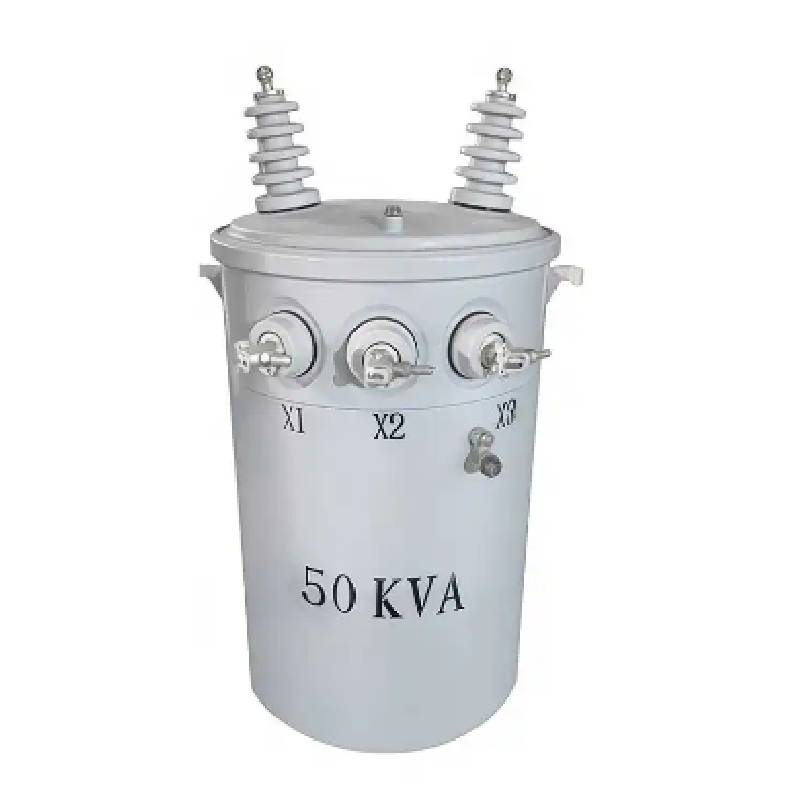
Key Insights on 25 kVA Distribution Transformers

application/25-kva-distribution-transformer, application/25-kva-distribution-transformer, 
Inquiry
application/25-kva-distribution-transformer, application/25-kva-distribution-transformer, 
Inquiry

25 kva distribution transformer

A 25 kVA distribution transformer is a crucial component in electrical systems, designed to step down high voltage electricity from power lines to a lower voltage suitable for use in commercial and industrial applications of 25 kVA distribution transformers. For B2B buyers, understanding the specifications, applications of 25 kVA distribution transformers, and sourcing options for these transformers is essential. This article will provide insights into the key specifications, reliable suppliers, cost factors for bulk orders, applications of 25 kVA distribution transformers in industrial settings, and solutions to common problems associated with 25 kVA distribution transformers.

Where to Find Reliable Suppliers for 25 kVA Distribution Transformers

Finding a dependable supplier for 250 kva distribution transformer is critical for ensuring quality and performance. Buyers should consider manufacturers with a proven track record, such as Bardeen Equipment Co., Ltd., which specializes in transformer manufacturing with IEC certification. Industry Associations: Reliable suppliers who are members of industry associations often adhere to higher standards of quality and reliability. Look for manufacturers who have certifications like ISO 9001 or IEC compliance, signaling their commitment to quality management systems. Local and Global Reach: Consider reliable suppliers who have experience in both local and international markets. This experience can indicate a supplier's ability to meet various regulatory requirements and adapt to different market needs. Customization Capabilities: Many projects require specific configurations or features. Reliable  suppliers that offer customization can better serve unique project demands, providing tailored solutions that enhance operational efficiency. Engaging with reliable  suppliers through industry trade shows or online platforms can facilitate finding reputable manufacturers and comparing their offerings effectively.

Cost Factors to Consider for Bulk Orders of 25 kVA Transformers

When purchasing transformers in bulk, understanding the various cost factors for bulk orders is essential for effective budgeting. Key considerations include: Unit Price: The base cost factors for bulk orders per unit typically decreases with larger orders due to economies of scale. Buyers should request detailed quotations from multiple reliable suppliers to assess pricing variations. Customization Costs: If specific modifications are required, such as unique voltage ratings or design features, these can add to the overall price. It's advisable to clarify customization options and associated cost factors for bulk orders upfront to avoid surprises. Shipping and Handling: Logistics can significantly impact the total cost factors for bulk orders. Factors such as distance, shipping method, and packaging will affect delivery expenses. Buyers should inquire about these cost factors for bulk orders when finalizing orders. Lead Time: The urgency of the project can influence cost factors for bulk orders as well. Shorter lead times might incur higher fees, so it's beneficial to balance delivery needs with budget constraints. By carefully considering these factors, buyers can negotiate favorable terms and secure the best value for their investment in distribution transformers.

Applications of 25 kVA Distribution Transformers in Industrial Settings

Electrical distribution transformer manufacturers are widely used in various industrial applications of 25 kVA distribution transformers, providing reliable suppliers power distribution for machinery, lighting, and other electrical systems. Common applications of 25 kVA distribution transformers include: Manufacturing Facilities: These transformers are essential for powering heavy machinery and equipment, ensuring that operations run smoothly without interruptions. Commercial Buildings: In commercial settings, they provide the necessary voltage reduction for lighting and HVAC systems, contributing to energy efficiency and operational reliability. Renewable Energy Systems: As part of renewable energy setups, such as solar power systems, 25 kVA transformers can help manage the conversion and distribution of power generated from alternative sources. Understanding the specific application needs allows buyers to select the right transformer configuration, enhancing operational effectiveness and ensuring compatibility with existing electrical systems.

Solutions to Common Problems with 25 kVA Distribution Transformers

Despite their reliability, power distribution transformer manufacturers may encounter common issues that can impact performance. Here are some typical challenges and solutions: Overloading: Exceeding the transformer's capacity can lead to overheating and failure. Implementing monitoring systems to track load levels can help prevent overloads. Regular maintenance checks should also be performed to ensure that the transformer operates within its rated capacity. Insulation Failure: Deterioration of insulation can lead to short circuits. Selecting transformers with higher insulation classes can mitigate this risk. Additionally, routine inspections should be scheduled to identify early signs of insulation wear. Cooling Issues: Inadequate cooling can result in overheating. Ensuring proper ventilation and considering environmental factors such as ambient temperature can help maintain optimal operating conditions. For high-temperature environments, transformers with enhanced cooling systems may be necessary. By proactively addressing these common issues, buyers can extend the lifespan of their transformers and ensure consistent performance in demanding applications of 25 kVA distribution transformers. This detailed understanding of 25 kVA distribution transformers will empower buyers to make informed purchasing decisions, ensuring that their electrical systems remain reliable suppliers and efficient.

Key Specifications for 25 kVA Distribution Transformers Explained

When evaluating 25 kVA distribution transformers, several key specifications should be considered, including voltage ratings, efficiency, and insulation class. Voltage Ratings: Typically, these transformers can handle primary voltages ranging from 11 kV to 33 kV and secondary voltages of 400V or lower, depending on the application. It is crucial to select a transformer with voltage ratings that match the electrical distribution network to ensure safe and efficient operation. Efficiency: Transformer efficiency is vital for reducing energy loss during operation. A high-efficiency transformer can significantly lower operational cost factors for bulk orders over time. Standard efficiencies for 25 kVA transformers can range from 95% to 98%, depending on the design and materials used. Insulation Class: The insulation class indicates the ability of the transformer to withstand high temperatures. Common classes are A (105°C), B (130°C), F (155°C), and H (180°C). Selecting the appropriate insulation class is important for ensuring the longevity and reliability of the transformer under varying environmental conditions. Understanding these specifications allows buyers to select the right transformer for their specific application, minimizing the risk of operational failures and ensuring compliance with safety standards.

Frequently Asked Questions

What is the 25 kVA distribution transformer used for?

The 25 kVA distribution transformer supplies step-down voltage for commercial, small industrial, and distribution networks, suitable for local feeders, renewable storage interfaces, and auxiliary power needs.
Standard primary and secondary voltages are customizable; common configurations include 11kV/0.4kV or 10kV/0.4kV. Specify site requirements for exact design.
Yes. We offer customization for renewable storage integration, including tap changers and connection options to match battery or inverter systems.
Manufactured under IEC-aligned processes with factory testing. We follow industry standards for safety, performance, and routine type tests upon request.
We provide installation guidance, commissioning support, and after-sales technical assistance. Warranty terms and service packages are provided per contract and project scope.

Get a Free Quote

Our representative will contact you soon.
0/1000