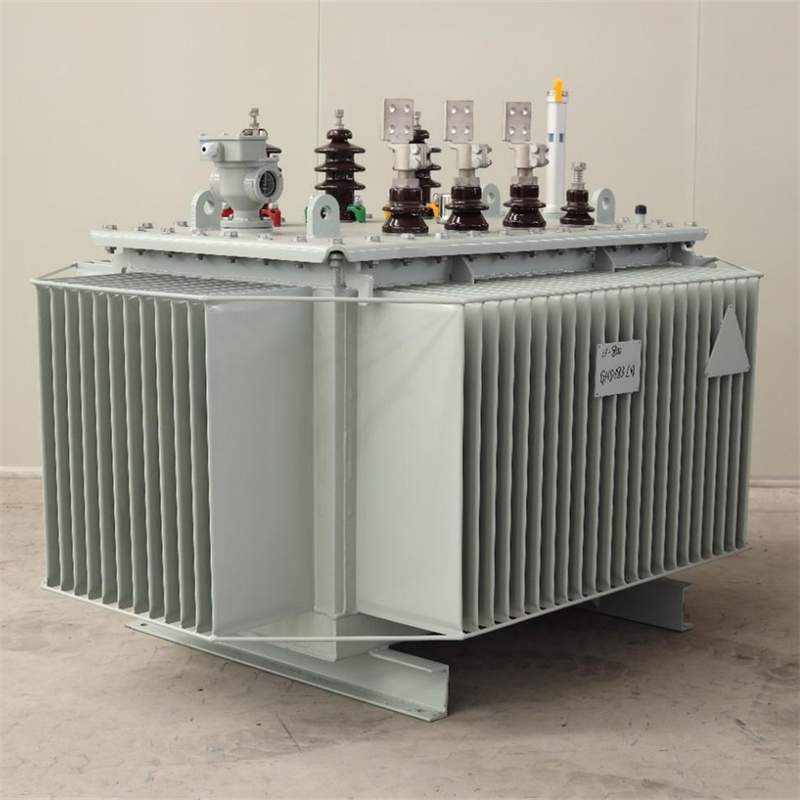
Choosing the Right 500 kVA Transformer

application/500-kva-transformer, application/500-kva-transformer, 
Inquiry
application/500-kva-transformer, application/500-kva-transformer, 
Inquiry

500 kva transformer

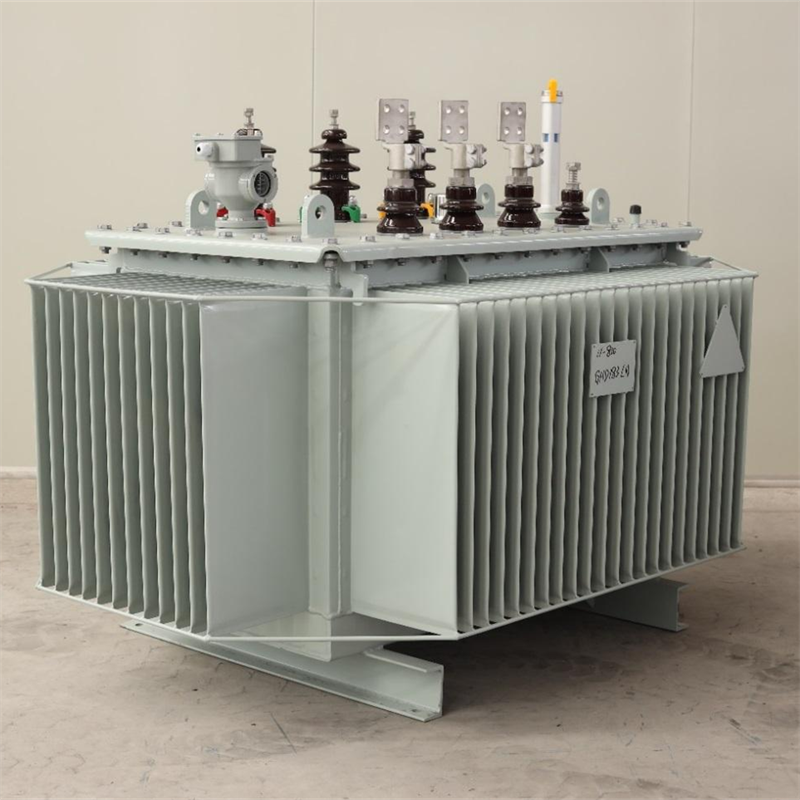
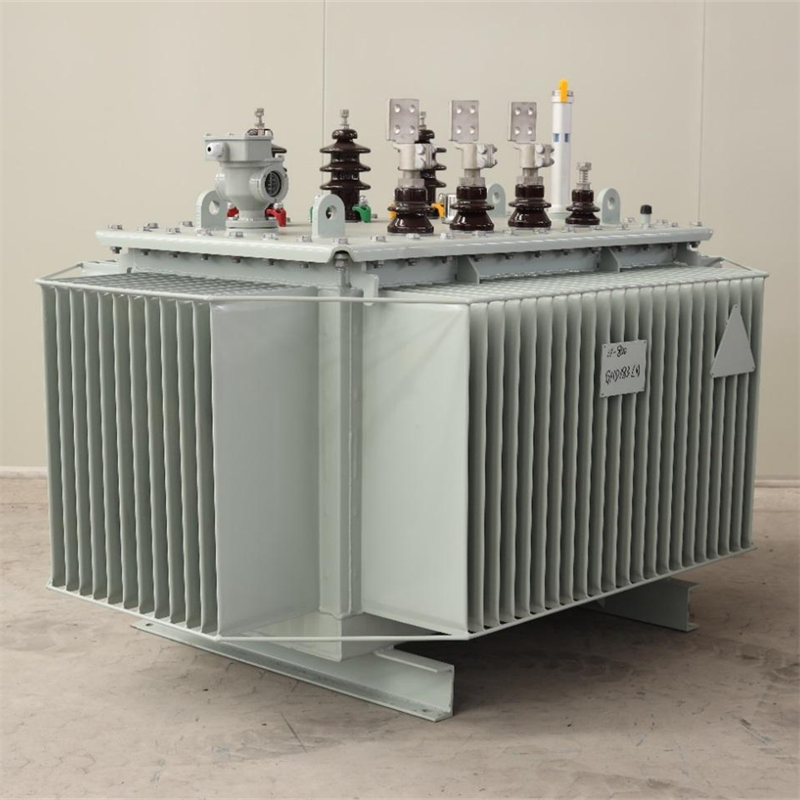
When selecting a 500 kVA transformer for industrial or commercial applications, it is crucial to understand the product's specifications, capabilities, and performance characteristics. This article addresses essential factors buyers should consider when purchasing a 500 kVA transformer, including how to select the right model, quality factors that matter, installation guidelines, and common issues that may arise. By gaining insight into these areas, potential buyers of Bading can make informed decisions that align with their project's requirements. 

What to Look For

When evaluating potential 500 kVA transformers, there are several specifications and features to prioritize:  

Efficiency Ratings: High-efficiency transformers reduce energy losses and can lead to significant cost savings over time.  Look for transformers with efficiency ratings of at least 95%. 

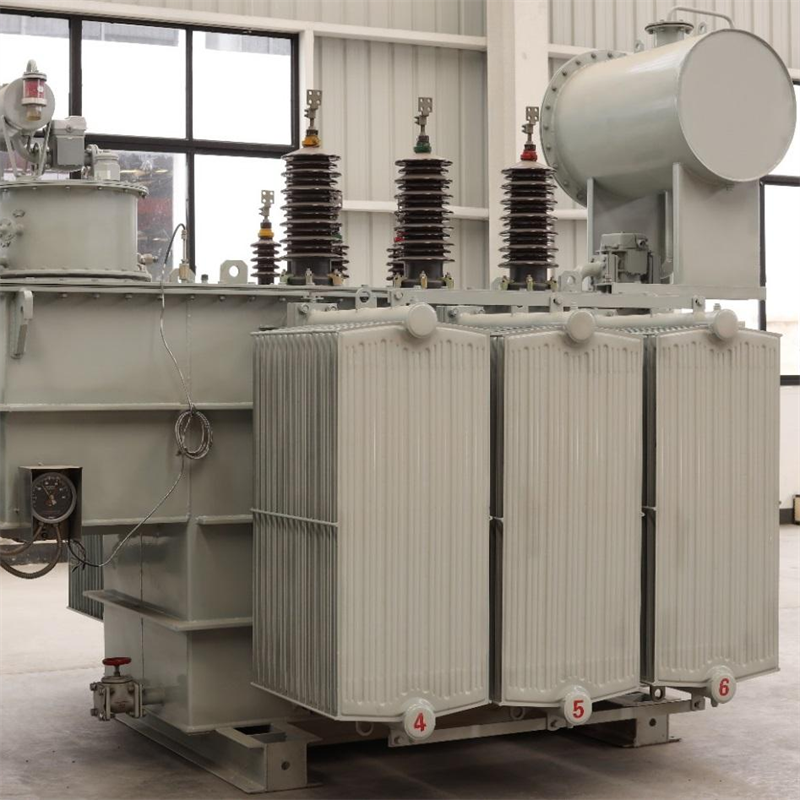
Cooling Methods: Transformers can be air-cooled or oil-cooled. The choice between the two will depend on the application and environmental conditions. Oil-cooled transformers generally offer better performance in high-load scenarios.  

Short-Circuit Withstand Rating (SWCR): This rating indicates the transformer's ability to withstand short-circuit conditions.  Ensure the transformer has an adequate SWCR to handle potential fault currents in your application.  

Isolation and Protection Features: Consider models with built-in protection against overloads and short circuits. Isolation transformers, which are designed to separate the load from the power source, can enhance safety and equipment longevity.  

Customization Options: Many manufacturers, Bading, offer customization to accommodate specific project requirements.  Discuss potential modifications with your supplier to ensure the transformer meets all operational and regulatory needs. 

Quality Factors That Matter

Quality is paramount when selecting a 500 kVA transformer, as it directly impacts performance and reliability. Here are key factors to evaluate: 

Material Selection: High-quality core materials, such as silicon steel, reduce energy losses and improve efficiency. Verify that the transformer utilizes premium materials in its construction. 

Manufacturing Standards: Ensure the transformer is produced in accordance with international standards and certifications, such as IEC, which Bading adheres to in its manufacturing processes. 

Quality Control Processes: Inquire about the manufacturer's quality assurance protocols. Rigorous testing and inspections during production can help mitigate common issues. 

Warranty and Support: A robust warranty and accessible technical support can provide peace of mind. Understand the terms of the warranty and the support structure available for troubleshooting or maintenance. 

Installation Guidelines for Efficient 500 kVA Transformer Use

Proper installation is critical for maximizing the efficiency and lifespan of a 500 kVA transformer. Here are essential guidelines: 

Site Preparation: Ensure the installation site is level, stable, and free of debris. Consider the proximity to power sources and the layout of electrical distribution systems.  

Clearance Requirements: Maintain adequate clearance around the transformer for ventilation and maintenance access.  Consult the manufacturer's specifications for recommended distances. 

Grounding: Proper grounding is essential to protect against electrical faults. Follow local electrical codes and standards for grounding practices. 

Testing Before Commissioning: Before the transformer goes live, conduct thorough testing to check for proper connections, insulation resistance, and functionality. This step can help identify any issues early, ensuring safe operation. 

Common Problems with 500 kVA Transformers and Effective Solutions

Despite their robust design, 500 kVA transformers can encounter issues that may affect performance. Here are common problems and how to address them: 

Overheating: This can occur due to insufficient cooling or overloading. Ensure the transformer is appropriately rated for the load it serves and that cooling methods are functioning correctly. Regular temperature monitoring can help detect overheating early. 

Insulation Breakdown: Aging insulation can lead to failures. Implement routine maintenance checks that include insulation resistance testing to identify potential deterioration before it causes failure. 

Noise Issues: Transformers can generate noise during operation. If excessive noise is noticed, it may indicate loose components or improper mounting. Inspect the installation and secure any loose parts as necessary. 

Harmonics Distortion: The presence of non-linear loads can introduce harmonics that affect transformer performance. Use harmonic filters or consider upgrading to a transformer designed to handle these conditions if persistent issues arise. 

Preventive Maintenance: Scheduled inspections, proper load balancing, oil testing where applicable, and timely component replacement can minimize unexpected failures. Maintaining clean ventilation areas and recording operating conditions also supports long-term transformer reliability. 

By understanding the factors affecting the selection, installation, and maintenance of a 500 kVA transformer, buyers can make informed choices that enhance operational efficiency and reliability. With the right approach, the transformer can serve as a vital component of your power distribution system, ensuring that it meets the demands of your industrial or commercial projects. 

How to Choose the Right 500 kVA Transformer for Your Project?

Choosing the right 500 kVA transformer begins with understanding the specific needs of your project. Consider the intended application—whether it be for power distribution, renewable energy storage, or industrial machinery. The transformer's voltage requirements, phase configuration (single-phase or three-phase), and the nature of the load it will serve are critical factors.  

Additionally, assess your environment. Factors such as temperature, humidity, and exposure to chemicals can influence transformer selection. For instance, if the transformer will be installed outdoors, look for models with weatherproof enclosures.  Finally, consider the available space for installation and whether a compact design is necessary.  

Energy efficiency, maintenance requirements, safety features, and compliance with applicable electrical standards should also be evaluated. These considerations can help reduce operating costs, simplify servicing, and ensure reliable performance throughout the transformer's service life. 

Get a Free Quote

Our representative will contact you soon.
0/1000