Essential Guide to Earthing Auxiliary Transformers

application/earthing-auxiliary-transformer, application/earthing-auxiliary-transformer, 
Inquiry
application/earthing-auxiliary-transformer, application/earthing-auxiliary-transformer, 
Inquiry

earthing auxiliary transformer

Earthing auxiliary  transformers are critical components in electrical systems, designed to enhance  safety and reliability  by  providing a grounding mechanism for electrical equipment. For B2B  buyers,  understanding the specifications, procurement strategies, and common issues  associated  with earthing auxiliary transformers is  essential to ensure  they meet operational safety  and  efficiency requirements.  This article will  address key specifications, purchasing guidelines, common problems  and solutions,  sourcing  strategies, and cost factors, helping you  make  informed decisions  when procuring these vital components.

Wholesale Purchasing Guide for Earthing Auxiliary Transformers

Wholesale Purchasing Guide for Earthing Auxiliary Transformers

Purchasing earthing auxiliary transformers in bulk requires careful consideration to ensure you make a sound investment. Here are key steps for a successful procurement process:

Define Requirements: Clearly outline your  specifications, including  voltage, power, insulation class, and cooling  method. Providing detailed requirements  will allow suppliers  to offer tailored solutions.

Request Quotes: Reach out to multiple  manufacturers, including Bardeen Equipment Co., Ltd.,  to obtain quotes. Be clear about your  quantity needs, delivery timelines, and any customization requirements. This  helps ensure you receive competitive pricing and suitable options.

Evaluate Suppliers:  Assess potential suppliers based  on their  manufacturing capabilities, experience, certifications, and customer reviews. Look for suppliers with a proven track record in  producing transformers that meet international standards.

Sample Testing: Before  finalizing orders, request samples to evaluate performance under actual operating conditions. Testing  samples helps verify that the transformer meets your specifications and quality expectations.

Negotiation and Terms: Once you identify a suitable supplier, discuss terms of sale, including payment methods, delivery schedules, and warranty conditions. Clear agreements reduce potential misunderstandings and ensure smoother transactions.

Quality Assurance: Establish quality control processes to inspect the transformers upon delivery.  This includes checking compliance with specifications and testing  functionality before installation.

By following these steps, you can effectively navigate the  wholesale purchasing process and ensure the successful acquisition of earthing auxiliary transformers that meet your operational needs.

Common Problems with Earthing Auxiliary Transformers and Solutions

Common Problems with Earthing Auxiliary Transformers and Solutions

Earthing auxiliary transformers can encounter several common issues during operation. Recognizing these problems early  can help mitigate risks and ensure  system reliability. Here are some typical problems  and their solutions:

Overheating:  Overheating can occur due to excessive load or  inadequate cooling. Regularly monitor operating temperatures and ensure that the cooling method is functioning effectively. If overheating  persists, consider upgrading to a  higher-rated transformer.

Insulation Failure:  Insulation breakdown is a critical issue that can lead to transformer failure. Conduct routine insulation resistance testing to detect potential failures early. Ensuring proper environmental conditions and adhering to maintenance schedules  can significantly reduce this risk.

Noise  Levels: Excessive noise from  transformers can indicate mechanical issues or improper  installation. Ensure transformers are installed on stable foundations and consider vibration-damping solutions to reduce noise levels.

Electrical Faults: Electrical faults  can arise due to external factors or component failures. Implement protective  devices such as  circuit breakers and fuses to safeguard against faults, and regularly inspect connections for wear.

Contamination: Dust and moisture can  compromise transformer performance. Ensure that transformers are  installed in clean, dry environments and implement regular  maintenance schedules to clean and inspect  equipment.

By proactively addressing these common problems, you can enhance the reliability  and lifespan of your earthing auxiliary transformers.

Where to Source Reliable Earthing Auxiliary Transformers in Bulk

Where to Source Reliable Earthing Auxiliary Transformers in Bulk

Sourcing earthing auxiliary transformers in bulk  requires identifying reputable manufacturers and distributors.  Here are some strategies to find reliable sources:

Industry Directories: Utilize industry directories and trade association websites to identify qualified manufacturers. Look for companies that specialize in transformers and have a track record of supplying to your industry sector.

Trade Shows and Exhibitions: Attend industry trade shows to connect with manufacturers firsthand. Such events provide opportunities to discuss product specifications, view samples,  and negotiate pricing directly with suppliers.

Online Marketplaces: Explore B2B online marketplaces  that cater to electrical equipment suppliers. These platforms  often feature  detailed supplier profiles, allowing for easy comparisons of services  and product  offerings.

Referrals and Recommendations:  Seek recommendations from industry colleagues or professional networks. First-hand experiences  can guide you to  reputable suppliers who have successfully met their needs.

Request for Proposals (RFPs): For larger projects, consider  issuing RFPs  to multiple manufacturers. This approach allows you  to evaluate bids based on price, quality, and delivery capabilities, providing a comprehensive view of  available options.

By employing these  strategies, you  can secure reliable  sources for earthing auxiliary transformers that align with your project needs.

Cost Factors to Consider When Buying Earthing Auxiliary Transformers

Understanding the cost factors associated with earthing auxiliary transformers is essential for accurate budgeting  and value assessment. Key cost considerations  include:

Specifications: The specifications of the  transformer directly affect pricing. Higher voltage ratings, greater  power capacities, and advanced insulation classes typically increase costs. Consider your operational needs to avoid overspending on unnecessary features.

Customization: If your project requires customized transformers, be prepared for additional costs. Customization may  involve unique specifications or features, which can significantly impact the overall price.

Quantity: Bulk purchasing can often yield discounts. However,  evaluate whether the upfront investment aligns with your long-term needs, as larger orders  may require more significant  capital outlay.

Shipping and Handling: Factor  in shipping costs, especially for international orders. Consider logistics, customs duties, and  insurance when  budgeting  for the total cost of ownership.

Warranty and Support: Some suppliers may offer extended warranties or technical support services at  an additional cost. Assess these options carefully, as they can provide  value in the long run  by reducing maintenance and replacement  costs.

Market Conditions: Keep an eye on fluctuations in raw material prices and market demand, as these can influence transformer pricing. Staying informed about market trends can  help you time your purchases for the  best value.

By accounting for these cost factors,  you can make informed financial decisions when purchasing earthing auxiliary transformers, ensuring you receive  optimal value for your investment.

Essential Specifications for Earthing Auxiliary Transformers Explained

When evaluating earthing auxiliary transformers, several critical specifications must be considered. The key parameters include:

Voltage Rating: The voltage rating,  commonly in kV, determines the transformer's capability to operate safely within electrical  systems. Ensure the voltage  rating meets  or exceeds your system requirements to prevent failures or hazards.

Power Rating: Measured in kVA, the power rating indicates the maximum load the transformer  can handle. Selecting a transformer  with an appropriate power rating is vital; an undersized transformer may lead to overheating  and failure, while an oversized unit can result in inefficiencies.

Insulation Class: This  specification  defines the transformer’s ability to withstand high temperatures  and electrical stress. Choosing the right insulation class based on your environmental conditions helps prevent insulation breakdown and prolongs the transformer's lifespan.

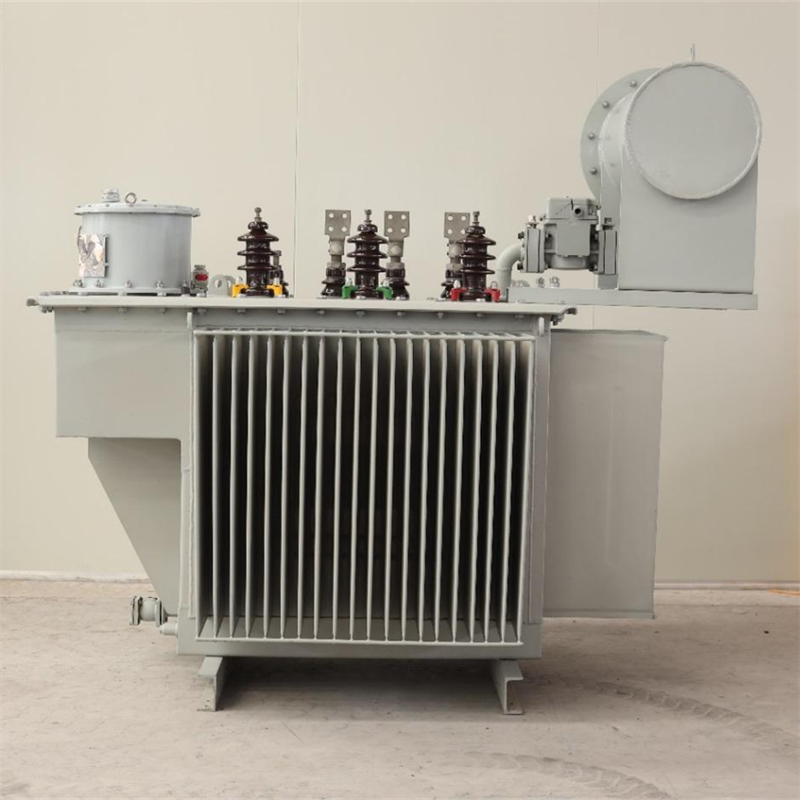
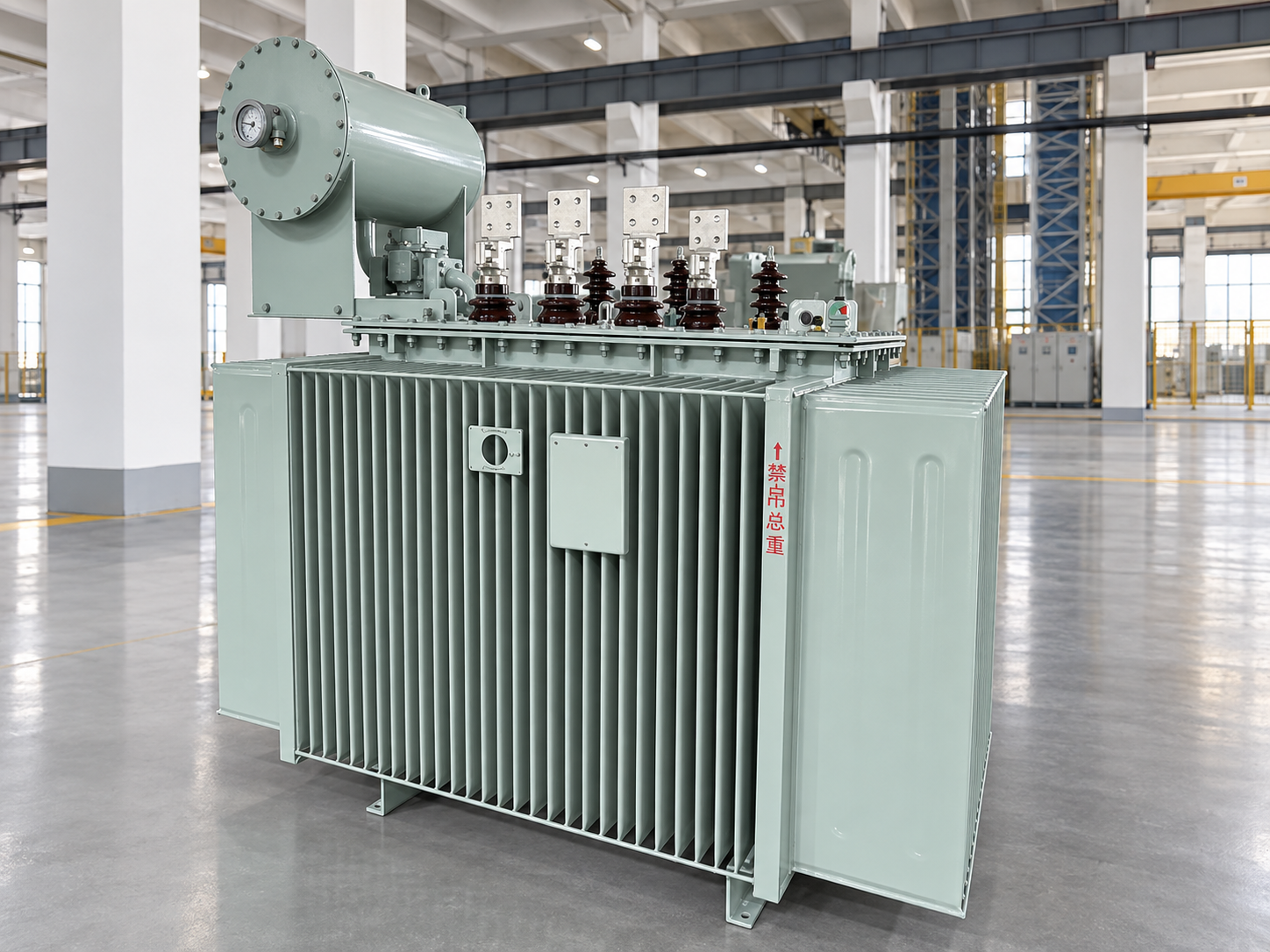
Cooling Method: Earthing auxiliary  transformers can be air-cooled or  oil-cooled. The cooling method affects efficiency and performance. Consider your application  and installation environment when selecting the cooling type, as it impacts  maintenance requirements and  overall reliability. For example, oil-cooled transformers, such as Oil‑Immersed Transformers, can be more efficient in specific scenarios.

Short Circuit Withstand Strength: This specification indicates the transformer's ability  to  withstand short circuit conditions. It  is essential for ensuring the safety of the  entire electrical system during fault conditions.

When selecting an earthing auxiliary transformer, confirm that these specifications align  with your operational needs and regulatory requirements to ensure optimal performance and safety.

Get a Free Quote

Our representative will contact you soon.
0/1000