Key Specifications for Toroidal Transformer Windings

application/toroidal-transformer-winding, application/toroidal-transformer-winding, 
Inquiry
application/toroidal-transformer-winding, application/toroidal-transformer-winding, 
Inquiry

toroidal transformer winding

Understanding toroidal transformer windings  is essential for  B2B  buyers in the  manufacturing and power distribution  sectors. These components are crucial in ensuring efficient electrical performance and reliability in various applications, including power grids and renewable energy systems.  , we  will explore key  specifications to consider when selecting toroidal transformer windings, how to  evaluate suppliers,  factors  affecting costs, installation  guidelines, and  common  issues that  may arise  during their operation.  This comprehensive  overview will help purchasing  managers and engineers make informed decisions when acquiring  these vital components.

Evaluating the Reliability of Toroidal Transformer Suppliers

Evaluating the Reliability of Toroidal Transformer Suppliers

Choosing a reliable supplier for toroidal transformer windings is paramount for ensuring product quality and operational reliability. Here are key factors to consider during the evaluation process:

Manufacturing Capabilities: Review the  supplier's manufacturing processes and equipment. A supplier with  advanced  machinery and automation can  often deliver more consistent quality and adhere to tight tolerances.

Certifications and Standards: Check for relevant certifications, such as ISO 9001, which indicates a  commitment to  quality management. Compliance with industry standards (like  IEC standards) is  also essential, especially for products used in critical applications.


Customization Options: A supplier’s ability to provide customized solutions can be a significant advantage.  Ensure they can  accommodate specific winding configurations, insulation types, and other requirements based on  your needs.

Experience and Reputation: Research the supplier's  experience in the industry and seek reviews or testimonials from other customers. A proven track record in  delivering quality products can  greatly influence your decision.


Support Services: Evaluate the supplier's technical support, including their willingness to  assist with installation and maintenance issues. Good communication and after-sales support can be invaluable.

Lead Times and Reliability: Confirm lead times  for orders and how these align with your project timelines. Consistent delivery performance is crucial to avoiding project delays.

By carefully assessing these factors, you  can identify a supplier who will meet your needs for quality, reliability, and support when  purchasing toroidal transformer windings.

Cost Factors in Toroidal Transformer Winding Purchases

Cost Factors in Toroidal Transformer Winding Purchases

Understanding the  cost  factors  involved in purchasing toroidal transformer windings  is essential for budgeting and financial planning. Here are the primary elements that influence  costs:

Material Costs:  The choice of materials directly  affects pricing. Copper  windings, while  more expensive, provide superior conductivity and  efficiency, whereas aluminum options may reduce upfront costs but could affect performance.

Complexity of Design: More complex winding configurations or additional  features (like enhanced insulation) can increase production costs. Custom designs tailored to  specific applications will typically incur higher  expenses.

Quantity Ordered: Manufacturers often offer tiered pricing based on order volume. Larger quantities can lead to lower per-unit  costs, allowing for better cost management in large projects.

Lead Time Requirements:  Urgent orders may incur premium charges. Planning ahead can help mitigate these costs, allowing for more competitive pricing.

Quality Assurance Measures: Suppliers that implement rigorous quality control processes may charge higher prices due to the added assurance of product reliability. However, this investment  can  save costs in the long term by reducing failure rates.

Shipping and Handling: Don’t overlook the logistical costs associated with shipping toroidal transformer windings. Factors like packaging, weight, and destination can significantly influence overall expenses.


By considering these cost  factors, you can make informed decisions that align both with your budget and your  operational requirements, ensuring you receive quality products without unnecessary financial strain.

Installation Guidelines for Toroidal Transformer Windings

Installation Guidelines for Toroidal Transformer Windings

Proper installation is critical to the effective performance  of toroidal transformer windings. Here are  essential guidelines to follow during the installation process:

Preparation: Before installation, ensure that  all components are  clean and free from debris. This reduces the risk of  contamination and  ensures proper functionality.

Mechanical Mounting: Secure the  transformer in  a stable  position to prevent movement during operation. Vibration can lead  to insulation wear and other operational issues.

Electrical Connections: Verify that all electrical  connections are tight and properly  insulated. Loose connections can lead to overheating and increased resistance,  affecting overall performance.

Thermal Management: Ensure adequate ventilation around the transformer to facilitate heat dissipation. If the application  generates  significant heat, consider additional cooling solutions.

Testing: Conduct thorough testing after installation. This includes  checking voltage and current levels to confirm that the transformer operates within specified parameters.


Proper  installation not  only enhances the performance of toroidal transformers  but also extends their lifespan, making adherence to these guidelines essential for buyers and engineers alike.

Common Problems with Toroidal Transformers and Their Solutions

While toroidal  transformers are  generally reliable, users may encounter several  common issues. Understanding these can help in troubleshooting and maintaining optimal performance:

Overheating: Excessive heat can result from overloading or inadequate ventilation. Ensure that the transformer is not operating beyond its rated capacity and that there is sufficient airflow. If overheating persists, consider using a transformer with a higher capacity.

Noise Generation:  Buzzing or humming sounds may indicate mechanical vibration or insufficient mounting. Ensure that the transformer is securely mounted and that any vibrations are minimized through proper installation techniques.

Insulation Failure: Insulation can degrade over time, leading to short circuits. Regular  inspections should  be conducted to check for signs of  wear. If insulation damage  is detected, the transformer may need to be repaired  or replaced.

Voltage Fluctuations: Inconsistent voltage levels can signify issues with the winding  configuration or connections. Check the  turns ratio and ensure  all connections are  secure and without corrosion.

Surface Contamination: Dust and  debris can affect performance. Regular cleaning and maintenance are essential  to prevent buildup that could compromise  functionality.

By being aware of these common issues and their  solutions, buyers  can maintain the integrity of their toroidal transformers and ensure long-term  reliability  in their applications.

Key Specifications to Consider for Toroidal Transformer Windings

When  evaluating toroidal transformer windings, several specifications are critical to  ensure optimal performance for  your specific application.

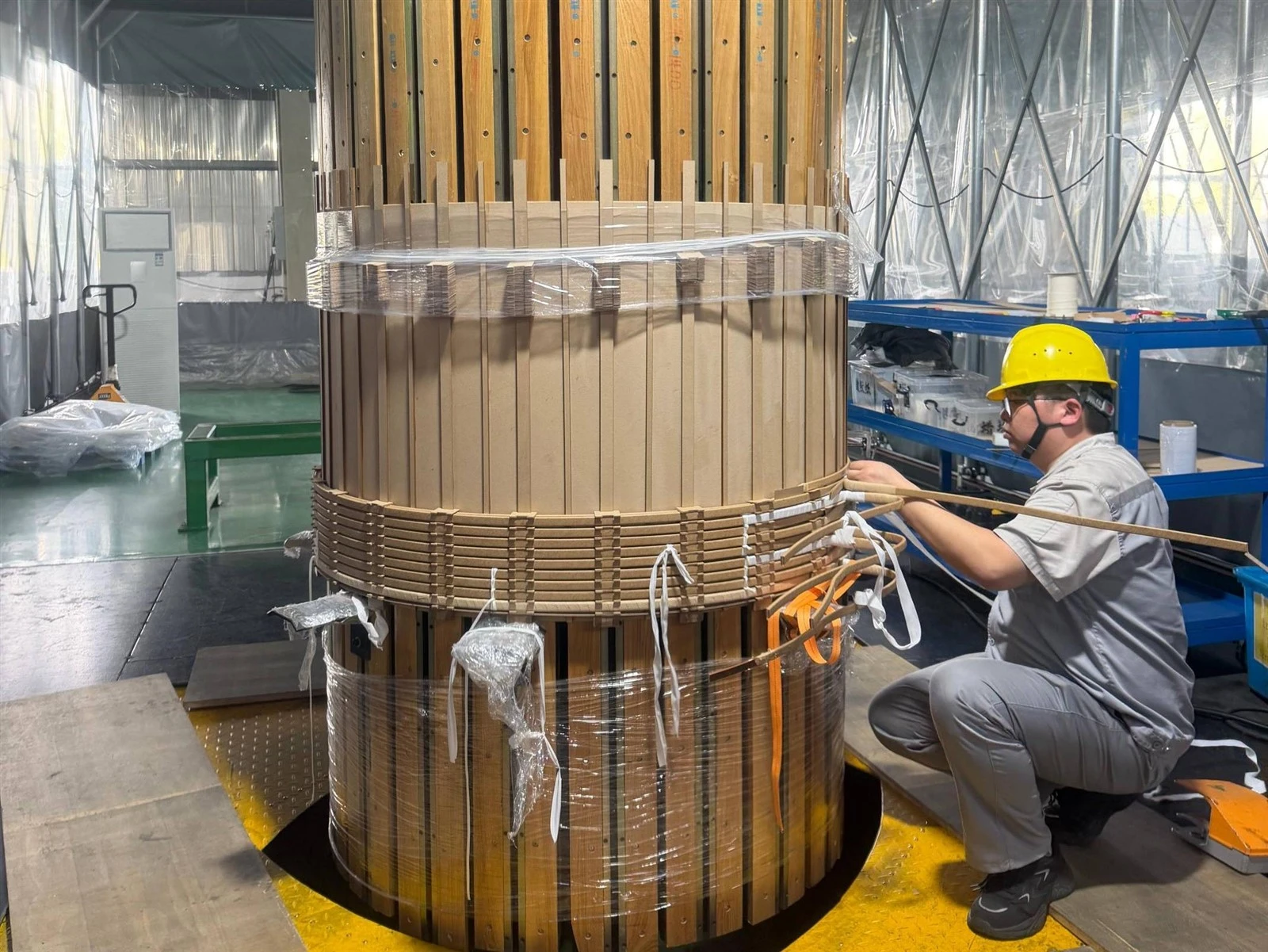
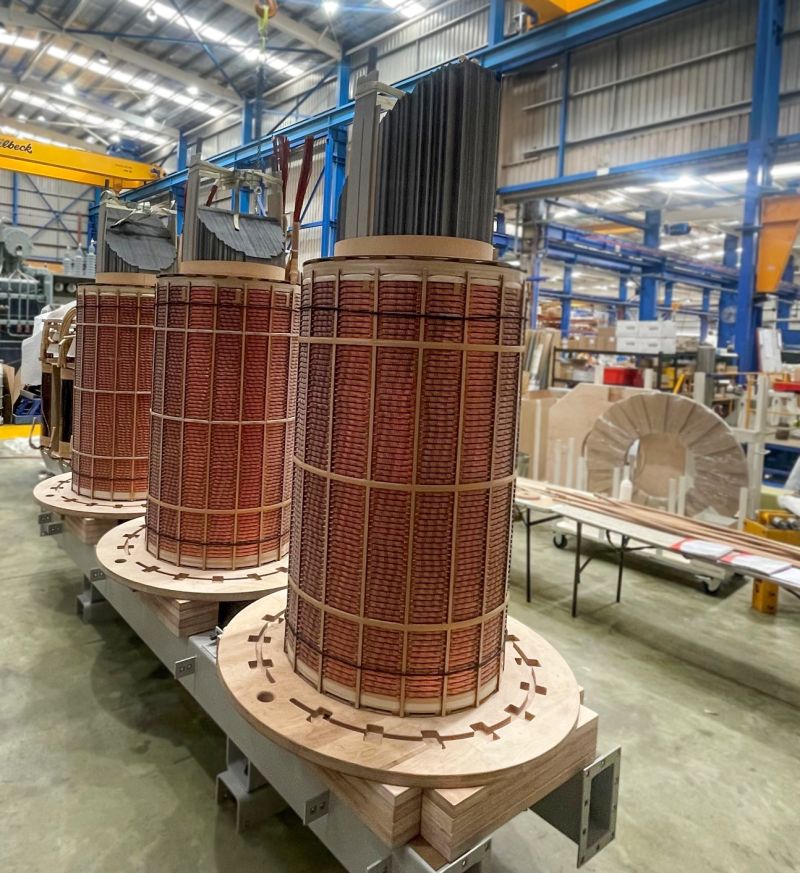
Wire Material: The choice of wire material affects conductivity and  thermal performance. Copper is commonly preferred due to its high conductivity, while aluminum may be used for weight reduction  and  cost considerations.

Insulation Type and Thickness: Insulation prevents short circuits  and maintains efficiency. The  insulation class (such as  Class F or H) defines the maximum operating temperature,  which should align with your application requirements. 

Winding Configuration: Toroidal transformers can have single-layer  or multi-layer windings. Multi-layer configurations can enhance power capacity but may  require more complex  manufacturing  processes. For instance, some applications may benefit from  Dry-Type Transformers which utilize this winding configuration.

Turns Ratio: This ratio is crucial for transforming  voltage levels. Ensure that the specified turns ratio meets your operational requirements,  as this will directly impact performance.

Dimensions and Weight: Compactness is often a priority, especially in commercial applications. Verify dimensions to  ensure compatibility with  existing setups, and consider how weight might affect installation logistics.

Thermal Performance: Assess the thermal characteristics, including heat dissipation  capabilities. Overheating can lead to failure, so ensure windings can handle the expected load without exceeding temperature thresholds.

Understanding these specifications allows you to tailor your choice of toroidal transformer windings to the unique demands of your application, ensuring reliable performance and longevity.

Get a Free Quote

Our representative will contact you soon.
0/1000

Related product categories