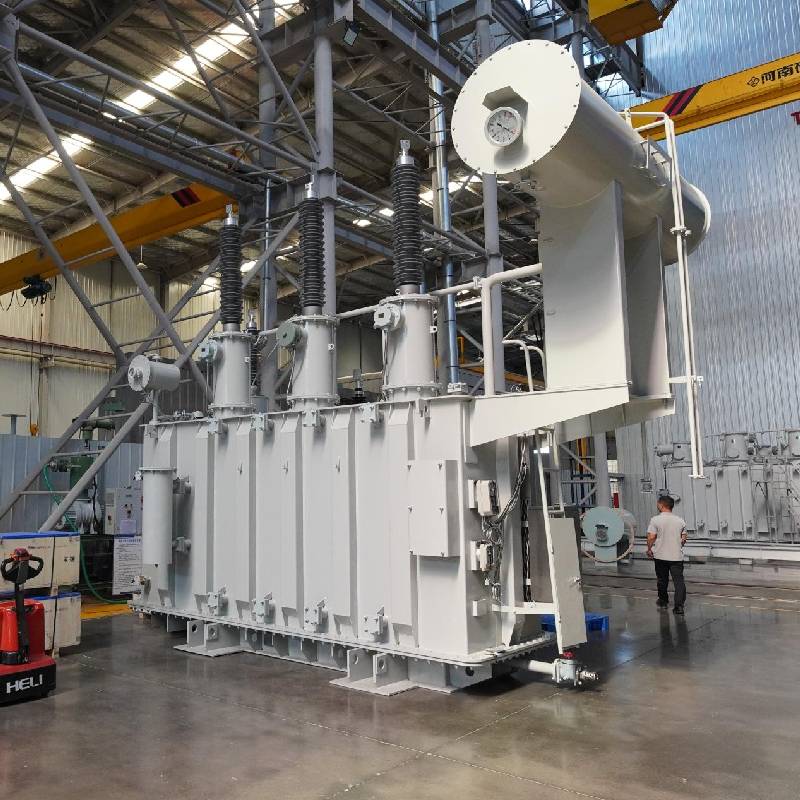
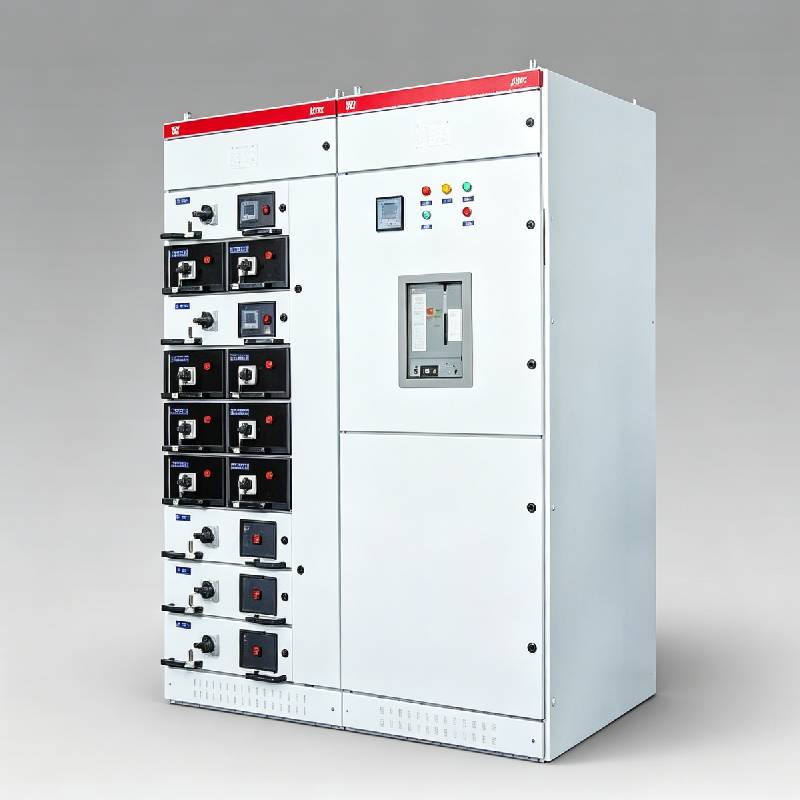
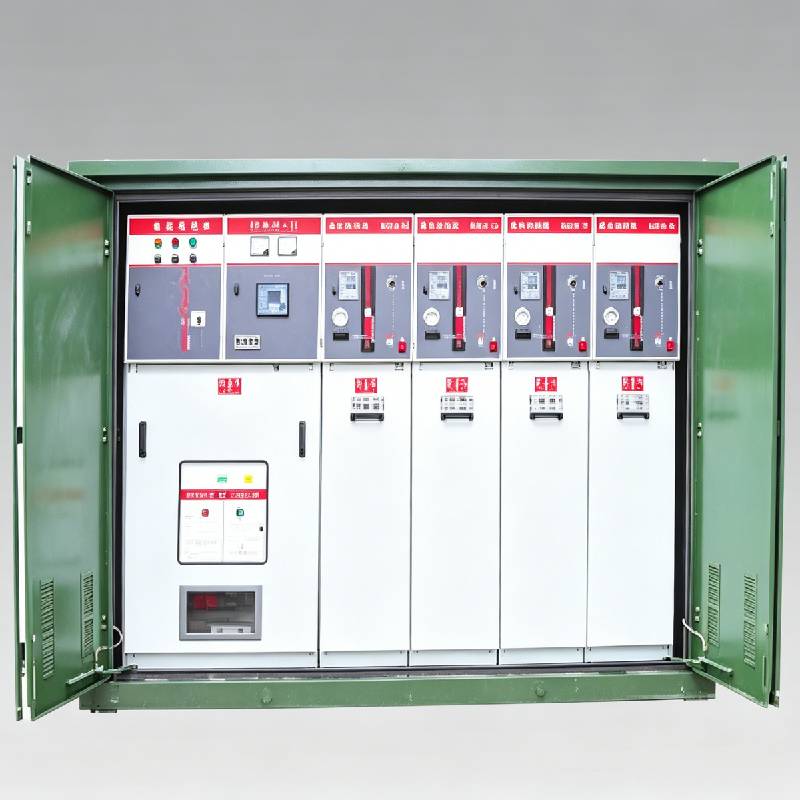
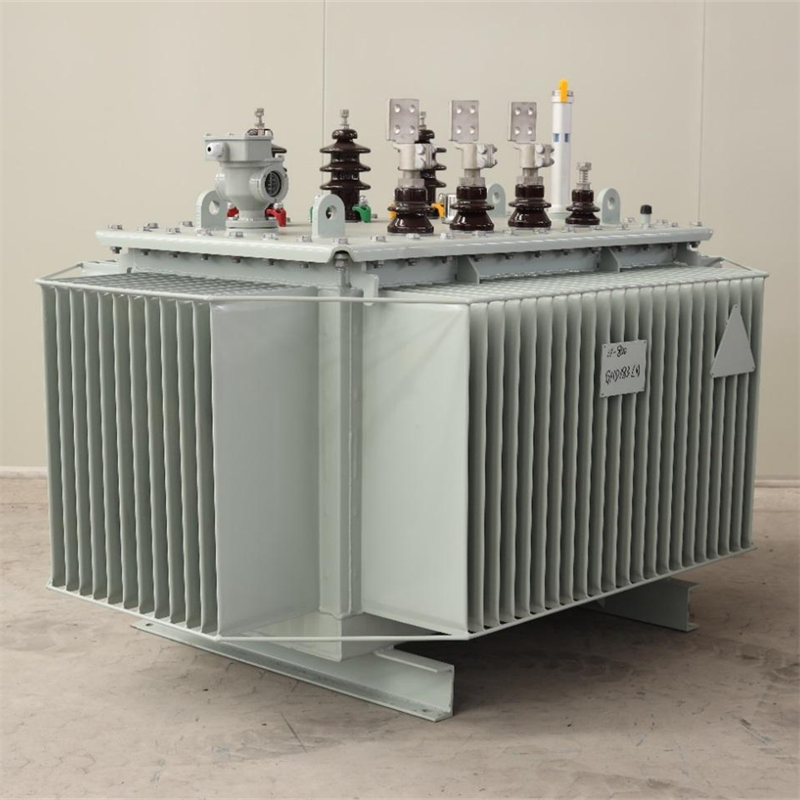
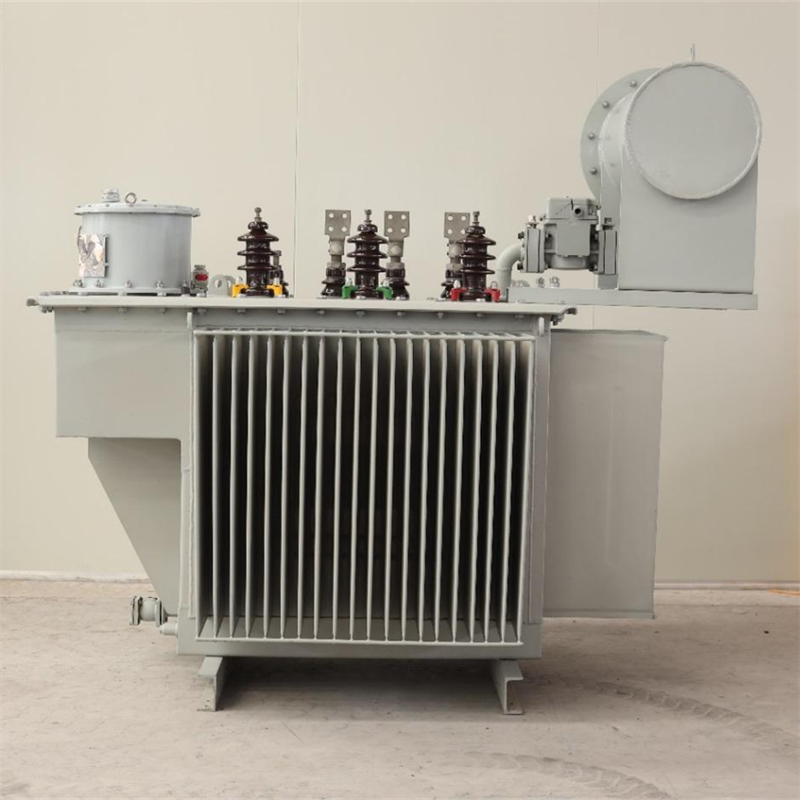
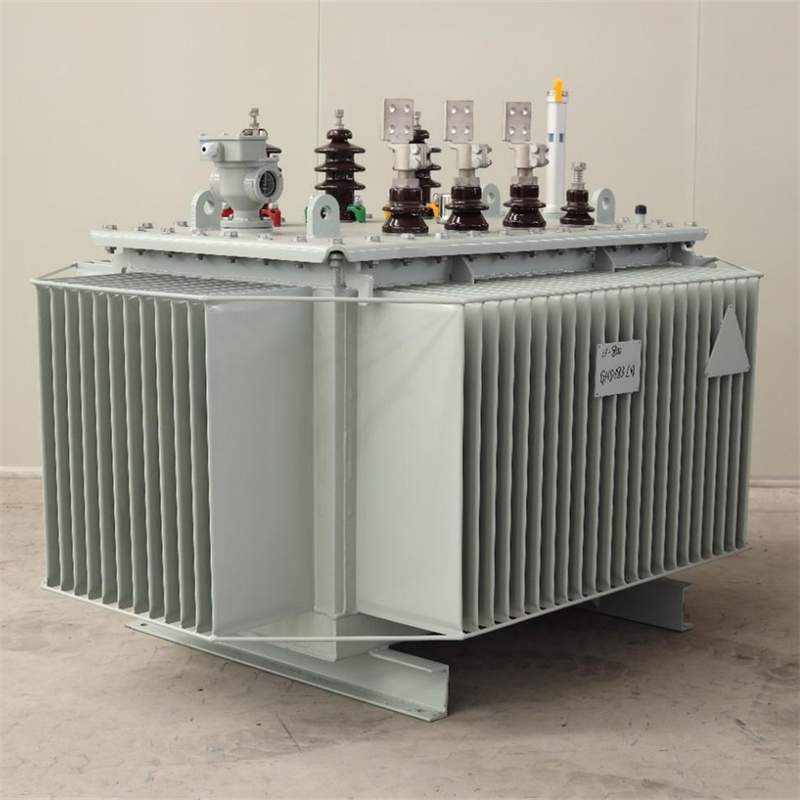
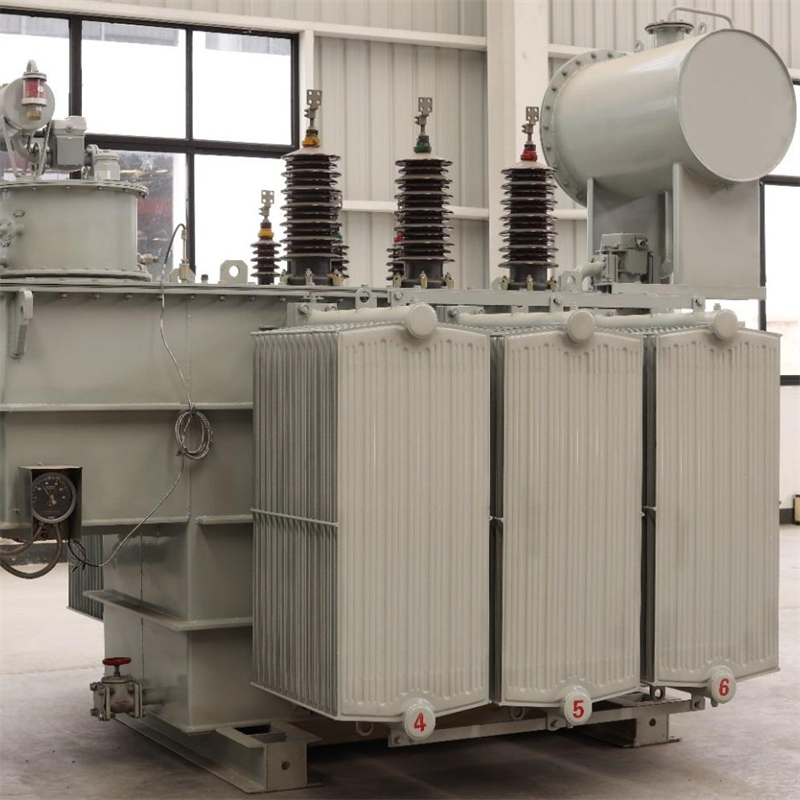
2000 KVA Dry Type Transformer for Your Project

application/2000-kva-dry-type-transformer, application/2000-kva-dry-type-transformer, 
Inquiry
application/2000-kva-dry-type-transformer, application/2000-kva-dry-type-transformer, 
Inquiry

2000 kva dry type transformer

The  2000  KVA dry type transformer  is a  crucial component in  electrical  distribution systems, particularly for commercial and industrial applications. This  equipment is  designed to handle  substantial  power  loads while maintaining high  efficiency and safety standards. B2B buyers,  including purchasing managers, engineers,  and project managers, often have concerns regarding specifications, installation, cost factors, and applications. This article will  provide insights  into  selecting, evaluating, and implementing 2000 KVA  dry type transformers,  helping buyers  navigate their purchasing decisions effectively.

Key Specifications to Evaluate in 2000 KVA Dry Type Transformers

Key Specifications to Evaluate in 2000 KVA Dry Type Transformers

When evaluating 2000 KVA dry type transformers, focus on key specifications that impact performance and suitability:

Voltage Rating: Ensure the voltage rating aligns with your electrical system. This specification is critical for compatibility with  existing infrastructure.

Efficiency: Look for transformers  with high efficiency ratings to  minimize energy losses. Efficiency can influence  operational costs significantly over  time.

Insulation Class: The  insulation class determines the transformer's ability to withstand thermal stress. Choose a class that matches  your environmental conditions and expected load.

Cooling Method: Dry  type  transformers typically use air cooling.  Understand the  cooling requirements  and ensure there is adequate ventilation in the installation  area.


Dimensions and Weight:  Verify that the  physical dimensions and weight  of the transformer fit within the designated installation space, taking into account any required clearances for maintenance.

Compliance and Standards: Ensure that the transformer meets relevant industry standards and certifications, such as IEC, to guarantee safety and performance.

Evaluating these  specifications will help ensure  that the transformer meets your operational requirements and complies  with industry standards.

Understanding the Cost Factors of 2000 KVA Dry Type Transformers

Understanding the Cost Factors of 2000 KVA Dry Type Transformers

The cost of a 2000 KVA dry  type transformer can vary depending on several factors:

Material Quality: High-quality materials may increase the initial  price but often lead to better  performance and longevity, reducing  overall maintenance  and replacement costs.

Customization Features: Additional features, such as advanced monitoring  systems or  specialized coatings for environmental protection, will add  to the cost.

Manufacturing  Process: The complexity of the manufacturing process can affect pricing. Transformers made with advanced technology may be more  expensive but  offer enhanced efficiency and reliability.

Volume  Discounts: Purchasing  in bulk  may qualify you  for discounts, which is particularly relevant for large projects requiring multiple units.

Shipping and Installation Costs: Consider the  logistics of  transporting the transformer to your site, including potential import tariffs if sourced from international manufacturers. Installation costs  should also be factored in, particularly if specialized labor is required.

Understanding these cost factors will help  you budget appropriately and make  informed purchasing decisions.

Installation Guidance for Efficient Use of 2000 KVA Dry Type Transformers

Installation Guidance for Efficient Use of 2000 KVA Dry Type Transformers

Proper  installation is critical to the efficient operation  of a 2000 KVA  dry  type transformer. Here are several guidelines  to follow:


Site Preparation: Ensure  that the installation site is  clean,  dry, and well-ventilated.  Remove any obstructions that may hinder access to the transformer for maintenance.


Electrical Connections: Work with qualified electricians to ensure all connections are secure and comply with local  electrical codes. Incorrect connections can lead to performance issues or safety hazards.

Testing: Before putting the transformer into service,  conduct  thorough testing to verify that it operates correctly under load conditions.  This  may include insulation resistance testing and functional checks of monitoring systems.


Maintenance Planning: Develop a maintenance schedule based on the manufacturer's  recommendations. Regular inspections  can help identify potential issues before they become serious problems.

Training for Personnel: Ensure that personnel responsible for operating and maintaining the transformer are adequately trained. This can improve safety and performance over the transformer’s lifespan.

By following these guidelines, you can enhance operational efficiency and extend the life  of the transformer.

Applications of 2000 KVA Dry Type Transformers in Various Industries

2000 KVA  dry type transformers are versatile and find  applications across multiple  industries, including:

Commercial Buildings: These transformers are commonly  used in office complexes, shopping centers, and hospitals where a reliable power supply is essential.

Manufacturing Facilities: In manufacturing, transformers power heavy machinery  and production lines, ensuring that operations run  smoothly without interruption.

Renewable Energy Projects: With the rise of renewable energy, these  transformers are increasingly utilized in solar and wind  projects, providing essential voltage transformation  for energy distribution.

Data Centers: The need for  continuous power supply makes dry type  transformers ideal for data centers,  where even brief outages can result in  significant data loss.

Infrastructure Projects: Public infrastructure, such as transportation systems and utilities,  frequently utilize these transformers to manage high power loads effectively.

Understanding the applications of 2000 KVA dry type transformers can help buyers  select the  right model for their  specific  needs and  ensure that it meets industry  standards.

How to Choose the Right 2000 KVA Dry Type Transformer for Your Project

Selecting the right 2000 KVA dry type  transformer involves understanding your project  requirements  and operational conditions.  Begin by assessing the power  needs of your facility, including peak loads and any  future expansions. The transformer must be  rated to handle these demands without overheating or causing inefficiencies. Additionally, considering options like Dry‑Type Transformers can be beneficial for specific applications.


Consider the environmental  conditions where  the transformer will  be installed. Dry type  transformers are designed for indoor and outdoor applications, but specific models may offer  enhanced protection against moisture, dust,  and temperature fluctuations. The installation site's space constraints can also influence the transformer type, as  some models may require more room for ventilation or maintenance access.

Customization  options are essential for meeting specific project needs. Discuss  with manufacturers about features like sound attenuation, temperature sensors,  and load monitoring systems that can enhance performance and reliability.  A manufacturer like Bardeen Equipment Co., Ltd. can provide tailored solutions  to fit your unique specifications.

Get a Free Quote

Our representative will contact you soon.
0/1000