50 kVA Pad Mounted Transformer: Key Considerations

application/50-kva-pad-mounted-transformer, application/50-kva-pad-mounted-transformer, 
Inquiry
application/50-kva-pad-mounted-transformer, application/50-kva-pad-mounted-transformer, 
Inquiry

50 kva pad mounted transformer

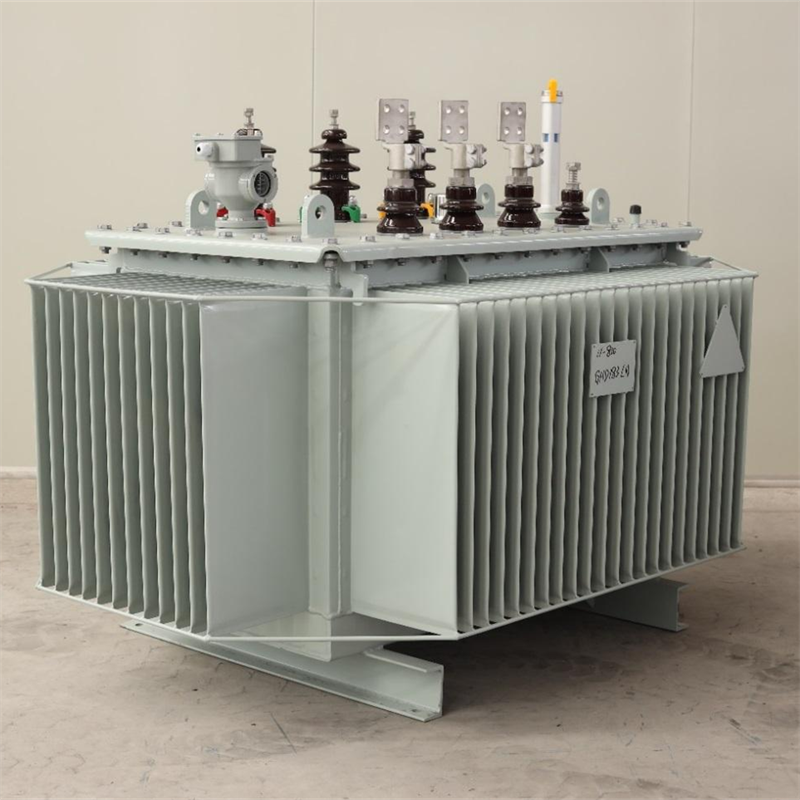
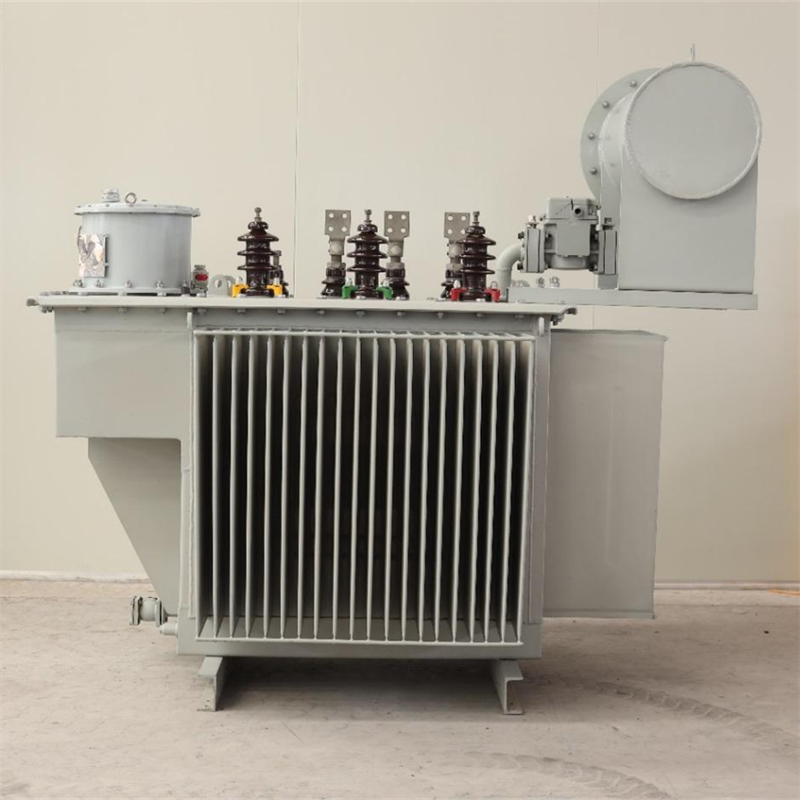
A 50 kVA pad mounted transformer is a crucial  component in electrical distribution  systems, particularly  for commercial and industrial applications. These  transformers are designed  to  step down voltage levels  while ensuring efficient power management and  distribution. For B2B buyers, understanding the specifications, installation guidelines, and potential  issues  associated with these transformers  is  essential when making purchasing decisions.  This  article will guide you  through the  critical  aspects  to consider,  ensuring you choose the  right solution for your power requirements.

Key Specifications for 50 kVA Pad Mounted Transformers Explained

Key Specifications for 50 kVA Pad Mounted Transformers Explained

Understanding the specifications of a 50 kVA pad mounted transformer is vital for ensuring it meets your operational requirements. Here  are some key specifications to consider:

Power Rating: The  50 kVA rating  indicates  the transformer’s capacity to handle 50 kilovolt-amperes of load. This rating is essential for matching the transformer with the expected electrical load.

Voltage Ratings:  Commonly, these transformers  will have primary voltage ratings ranging from 4 kV to 34.5 kV and secondary voltage ratings that may include 120/240 V or 208/120 V configurations. Ensure these match your existing power distribution system.

Impedance: The impedance rating  affects  the  voltage drop  and short-circuit  performance  of the transformer. Typically, a  5% impedance is standard, but this  can vary  based on application specifics.

Cooling Method: Transformers can be air-cooled (AN) or oil-cooled (ON). The cooling method impacts the transformer's efficiency and  suitability  for different environments. Understanding your cooling requirements  can affect performance and longevity.

Enclosure Type: Pad mounted transformers are typically housed in protective enclosures that shield them from weather and unauthorized access. Evaluate the material and design of the enclosure to ensure  it meets the necessary  protection standards.

Installation Guidelines for 50 kVA Pad Mounted Transformers

Installation Guidelines for 50 kVA Pad Mounted Transformers

Proper installation of a  50 kVA pad mounted transformer is crucial  for safe and efficient  operation. Here are  some  guidelines to follow:

Site Preparation:  Ensure the installation site is level, stable, and free from  debris. The site should allow for adequate ventilation and access for maintenance personnel.

Clearances: Adhere to local regulations regarding spacing around the transformer. This typically includes maintaining clearances  from structures, vegetation, and other equipment to allow for safe operation and maintenance access.

Electrical Connections: Follow electrical code requirements  for connecting the transformer to the power supply  and load. Ensure that all connections  are made securely to prevent  electrical faults.

Grounding: Proper grounding is essential for  safety and operational integrity. Follow  best practices  for grounding the transformer to  prevent hazards and enhance system stability.

Testing: After installation, conduct  thorough  testing of the  transformer to ensure it operates correctly under load conditions. This may  include insulation resistance testing and functional checks.

Common Problems with Pad Mounted Transformers and Their Solutions

Common Problems with Pad Mounted Transformers and Their Solutions

Despite their robust design, pad mounted transformers can encounter certain issues. Here are common problems and potential solutions:

Overheating: If a transformer operates at  or above its  maximum rating for extended periods, it  can overheat. Ensure that it is sized correctly for the  load  and that ventilation is adequate. Regular  monitoring of operating temperatures can prevent damage.

Moisture Ingress: Moisture can lead to insulation breakdown and transformer failure.  Ensure that the enclosure is properly sealed and inspect it regularly for signs of water ingress. Installing moisture control devices can  also help.

Overvoltage Conditions: Transient overvoltage conditions can damage the transformer. Consider installing surge protection devices to safeguard against voltage spikes.


Physical  Damage: External factors such as vehicular impact or severe weather can  damage  the transformer. Regular inspections should be conducted to  identify and  address any signs of  physical wear or damage.

Electrical Faults: Faults within the system  can lead to operational issues.  Implement a regular maintenance schedule  to check  for signs of electrical faults, and ensure that  all connections are secure.

Applications of 50 kVA Pad Mounted Transformers in Various Industries

50 kVA pad mounted transformers find applications  across various industries due to their versatility and reliability. Here are some  key sectors where they are commonly  used:

Commercial Buildings: These transformers  are ideal for powering office buildings, retail  spaces, and shopping centers, where consistent and reliable electrical supply  is crucial.

Manufacturing Facilities: In industrial settings,  pad mounted transformers support  machinery and equipment, ensuring that production processes  remain uninterrupted.

Renewable Energy:  As  the demand  for  renewable energy sources increases,  these transformers are utilized in solar and wind energy applications to facilitate power distribution. For example, the Oil Immersed Transformer 66kV 20000kVA is ideal for such applications.

Telecommunications: They serve critical  roles in telecommunications infrastructure, providing reliable power to data centers and communication towers.

Transportation: In transportation hubs, such as airports and rail systems,  50 kVA pad mounted transformers help manage the power requirements of various systems, including  lighting and operational equipment.


By considering the above specifications, installation guidelines, and common issues,  B2B buyers can make informed decisions when sourcing a 50 kVA pad mounted transformer that meets their specific needs and operational requirements.


What to Consider When Sourcing a 50 kVA Pad Mounted Transformer

When sourcing a 50 kVA pad mounted transformer, several key factors should be evaluated to ensure  optimal performance and  suitability for your application.

Voltage Requirements: Determine the primary and  secondary voltage specifications required for your system. The  transformer must be compatible with the existing electrical infrastructure to ensure proper voltage distribution.

Environmental Conditions: Assess the environmental conditions where  the transformer will be installed. Factors such as temperature range,  humidity,  and exposure  to corrosive elements can affect the transformer’s performance and longevity.

Load Characteristics:  Understand the load characteristics of your application,  including load  types (resistive, inductive), peak versus average load demands, and  potential future expansion  needs. This information will help determine if a 50 kVA  transformer is adequate or if a different capacity is required.

Regulatory Compliance: Ensure that the transformer meets local and international standards for safety and efficiency. This includes certifications that guarantee compliance with IEC and  other relevant standards.

Customization Options: Consider  whether you require any  specific features or customizations,  such as protective enclosures, multiple tap settings, or enhanced cooling systems. Engaging with a manufacturer that offers customization can  help tailor the transformer to  your specific operational needs. For instance, you might want to explore options such as the Oil Immersed Transformer 66kV 10000kVA for enhanced performance.

Get a Free Quote

Our representative will contact you soon.
0/1000