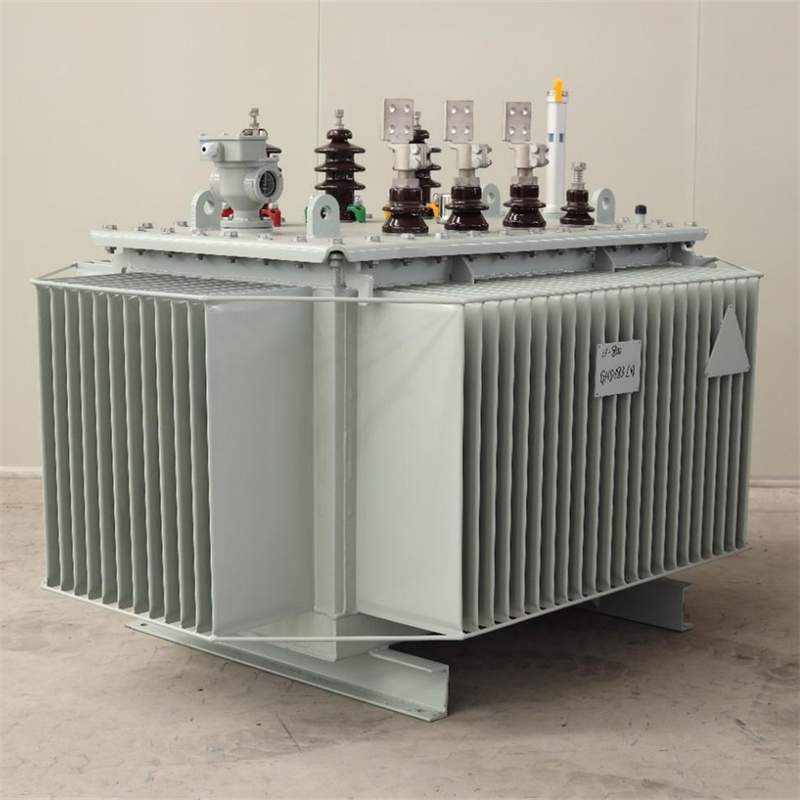
Step Up and Down Transformers: Challenges and Solutions

application/step-up-and-down-transformer, application/step-up-and-down-transformer, 
Inquiry
application/step-up-and-down-transformer, application/step-up-and-down-transformer, 
Inquiry

Step up and down transformer

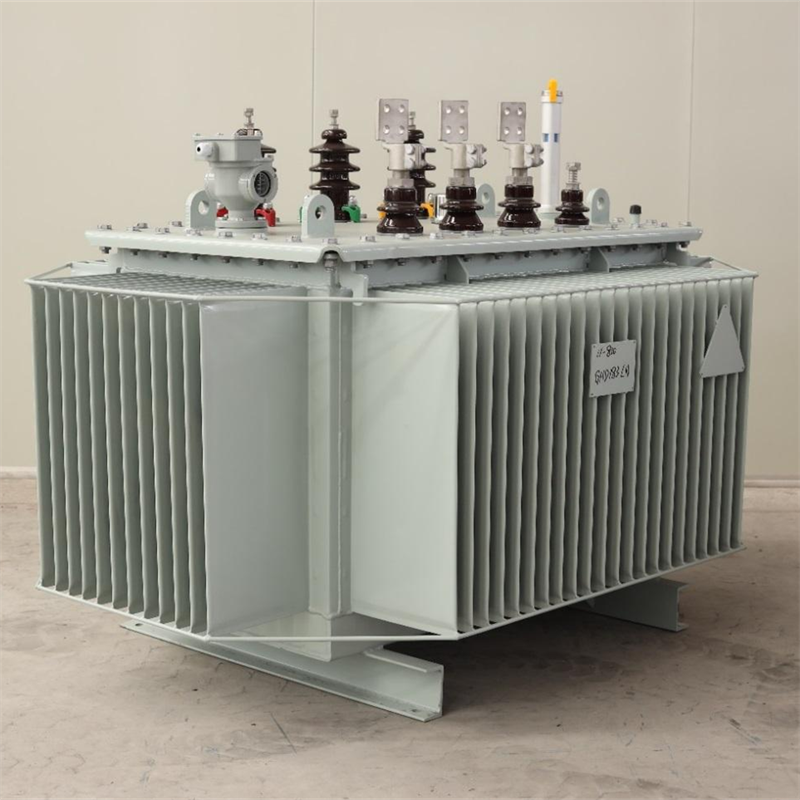
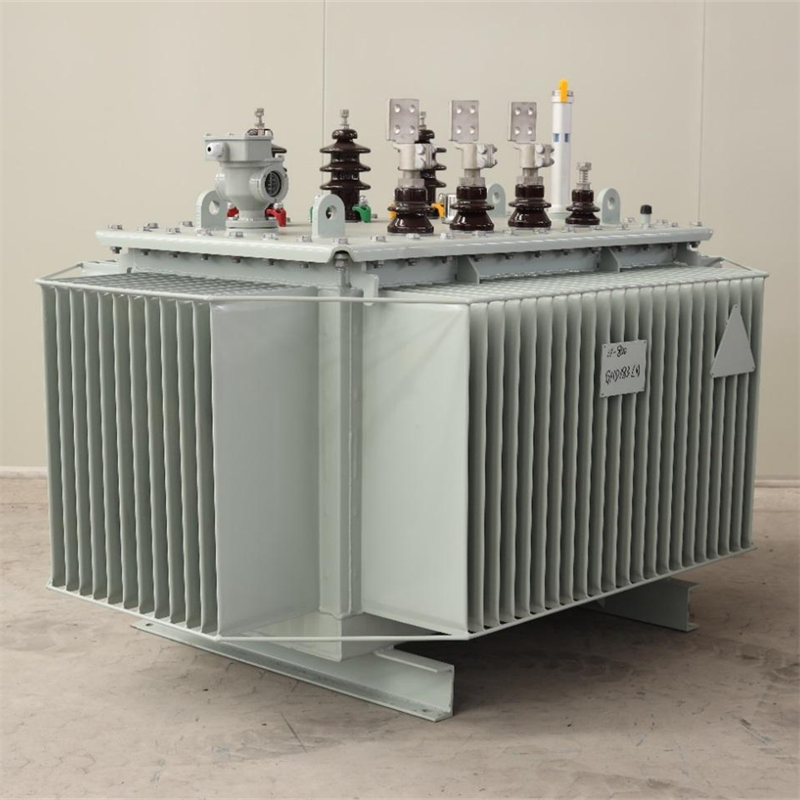
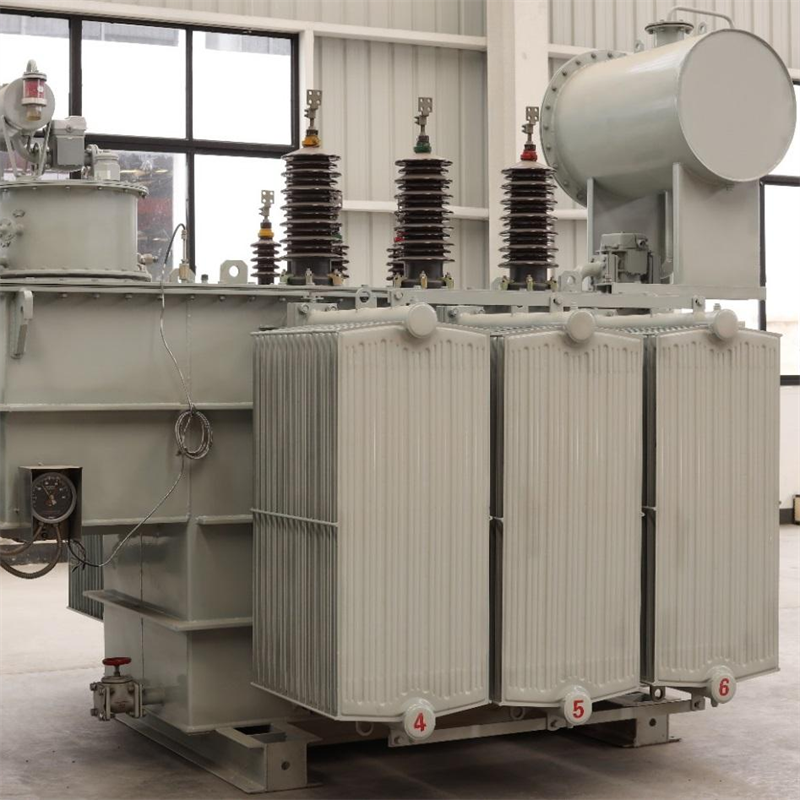
Step up and down transformers are essential electrical devices used to increase or decrease voltage levels in power systems. These transformers play a critical role in various applications, from power generation to commercial projects, ensuring that electrical energy is transmitted and utilized efficiently. B2B buyers—such as purchasing managers, engineers, and project managers—often have concerns about product specifications, compatibility, quality standards, and reliability. This article will address common installation  challenges, supplier evaluation, quality standards, cost factors, and solutions for issues related to step up and down transformers, providing valuable insights for informed purchasing decisions.

Where to Find Reliable Suppliers for Step Up and Down Transformers

When looking for reliable suppliers of step down power transformer, it’s essential to consider several avenues. Industry trade shows and exhibitions are valuable opportunities for direct interaction with manufacturers and reliable suppliers. They allow buyers to assess product quality standards firsthand, ask questions, and compare offerings from multiple vendors. Online platforms and industry directories can also be beneficial for sourcing reliable suppliers. Websites dedicated to industrial equipment often provide reviews and ratings, helping buyers gauge the reliability and reputation of various manufacturers. Additionally, engaging with industry forums and networks can yield recommendations from peers who have experience with specific reliable suppliers. It is crucial to evaluate each supplier's certifications and compliance with quality standards. Look for manufacturers with ISO certifications or other relevant industry quality standards that demonstrate their commitment to quality standards and safety. Finally, consider requesting samples or visiting the supplier’s manufacturing facility, if possible, to gain further insight into their production capabilities and quality standards control processes.

Comparing Quality Standards in Step Up and Down Transformers

Quality standards for set up and step down transformer can vary significantly between manufacturers and regions. The International Electrotechnical Commission (IEC) quality  standards are widely recognized and set benchmarks for transformer performance and safety. Buyers should familiarize themselves with these quality  standards, as they cover critical aspects such as thermal performance, insulation levels, and design criteria. When comparing transformers, it’s essential to review the materials used in their construction. High-quality steel for the core, insulation materials that can withstand operational stresses, and durable enclosures all contribute to a transformer's longevity and performance. Additionally, a manufacturer’s testing protocols should be scrutinized. Rigorous testing during production for efficiency, load capacity, and safety compliance is indicative of a quality standards product. Another aspect to consider is the warranty and after-sales service offered by the supplier. A robust warranty indicates the manufacturer’s confidence in their product, while good customer support can help resolve any issues that arise post-installation challenges.

Cost Factors to Consider When Purchasing Step Up and Down Transformers

The cost of step up and down transformers can vary widely based on several factors, including capacity, design complexity, and customization requirements. Higher-capacity transformers typically command a higher price due to the materials and engineering involved. Additionally, custom designs tailored to specific applications may incur additional costs. Buyers should also consider the total cost of ownership, which includes not only the initial purchase price but also installation challenges, maintenance, and operational expenses. For instance, transformers with higher efficiency ratings may have a higher upfront cost but can lead to significant energy savings over time. Shipping and logistics costs are another critical factor. The dimensions and weight of transformers can affect transportation expenses, especially for international shipments. It’s advisable to clarify these costs with reliable  suppliers and factor them into the overall budget. Additionally, understanding the lead time for production and delivery is essential, as delays can impact project timelines and associated costs.

Solutions for Common Problems with Step Up and Down Transformers

Common problems associated with step up generator transformer can often be addressed with proactive measures. For instance, overheating can be mitigated by ensuring proper ventilation and using transformers with adequate cooling systems. Regular maintenance checks can help identify potential issues before they escalate, ensuring that transformers operate efficiently throughout their lifespan. Another common issue is insulation failure, which can lead to short circuits or transformer failure. Buyers should prioritize transformers with high-quality standards insulation materials and consider regular testing to monitor insulation integrity. Implementing a monitoring system can also provide real-time data on transformer performance, allowing for timely interventions. Finally, effective communication with reliable  suppliers is crucial for resolving any installation challenges or operational issues. Manufacturers like Bardeen Equipment Co., Ltd. often provide technical support and guidance for installation challenges and maintenance, helping buyers to ensure that their transformers function as intended. By addressing these common problems, buyers can enhance the reliability and performance of their step up and down transformers, leading to improved operational efficiency.

Common Installation Challenges with Step Up and Down Transformers

Installing step up and down transformers can present several installation challenges that buyers and installers must navigate. One of the most common issues is ensuring correct voltage compatibility. Transformers must be matched to the voltage requirements of both the input and output systems. If the specifications do not align, it can lead to equipment failure or safety hazards. Another significant challenge is physical space constraints. Step up and down transformers vary in size based on their capacity and design. Adequate planning is crucial to ensure that the installation challenges site can accommodate the transformer, along with necessary cooling systems and maintenance access. Additionally, improper installation challenges can affect the transformer's efficiency and lifespan, emphasizing the need for qualified technicians during setup. Environmental factors, such as temperature fluctuations and moisture exposure, can also impact installation challenges. Ensuring that transformers are installed in suitable conditions is vital, as excessive heat or humidity can lead to performance issues. Lastly, clear communication with reliable suppliers about specific installation challenges requirements and site conditions can mitigate many of these installation  challenges.

Frequently Asked Questions

What is a step up and down transformer?

A device that increases (step-up) or decreases (step-down) AC voltage for transmission, distribution, or equipment compatibility, supporting power grids, renewable storage, and commercial applications.
We manufacture transformers up to IEC-certified 220kV and provide customized voltage ratings to meet grid, storage, and commercial project requirements.
Yes. We offer tailored designs, specifications, and engineering support to match project voltage, capacity, cooling, and installation needs.
We serve power grids, renewable energy storage, commercial projects, and related infrastructure requiring reliable transformer solutions and technical support.
We provide installation guidance, commissioning assistance, maintenance advice, and ongoing technical support to ensure long-term reliable operation.

Get a Free Quote

Our representative will contact you soon.
0/1000