Key Factors in Sourcing Three Winding Transformers

application/three-winding-transformer, application/three-winding-transformer, 
Inquiry
application/three-winding-transformer, application/three-winding-transformer, 
Inquiry

three winding transformer

Three winding transformers  are critical  components in power distribution  systems,  designed  to  step up or step  down voltage levels while ensuring efficient energy  transfer. For B2B buyers, especially purchasing managers, engineers,  and project planners,  understanding the nuances  of  sourcing  three winding transformers is  paramount. This article will  guide you  through  essential considerations,  specifications, quality evaluation, supplier reliability, and the features that make these transformers  vital for various applications.

 
Key Specifications for Three Winding Transformers You Should Know

Key Specifications for Three Winding Transformers You Should Know

Several critical  specifications define  the performance of  three winding transformers, and understanding them helps ensure suitability for your application.

Voltage  Rating: This determines the maximum voltage the transformer can handle. It’s vital to choose a transformer  with a voltage rating  that matches or exceeds the system requirements to avoid operational failures.

Power Rating (kVA): This indicates the transformer's capacity to handle electrical load. Buyers should calculate the total kVA requirement  of their system to select a transformer  that can efficiently manage the load without overheating or failing.

Impedance: The  impedance rating is essential for determining short-circuit  performance and voltage regulation. A lower impedance can lead to better voltage regulation but may  increase the risk  of fault currents.

Temperature Rise:  This specification indicates the maximum allowable temperature increase under full  load. Proper temperature management is crucial for ensuring the longevity and reliability of the transformer.

Cooling Method:  Transformers  can be air-cooled or oil-cooled. The choice depends on the  installation environment and  operational requirements. Oil-cooled transformers typically handle larger loads and offer  better thermal  performance. For example, Oil‑Immersed Transformers are known for their efficiency in handling large capacities.

Understanding these specifications will empower buyers to make informed decisions that align with their technical requirements and operational constraints.

How to Evaluate the Quality of Three Winding Transformers

How to Evaluate the Quality of Three Winding Transformers

Evaluating the quality of three winding transformers is  essential to ensure reliability  and performance. Begin by examining  the manufacturer’s quality  control processes. A robust quality assurance system should include regular testing of materials, components,  and  finished products to comply with international standards.

Request  documentation of relevant certifications, such as IEC certification, which indicates adherence  to international safety and performance standards. This documentation provides assurance that the transformers have undergone  rigorous testing and meet industry norms.

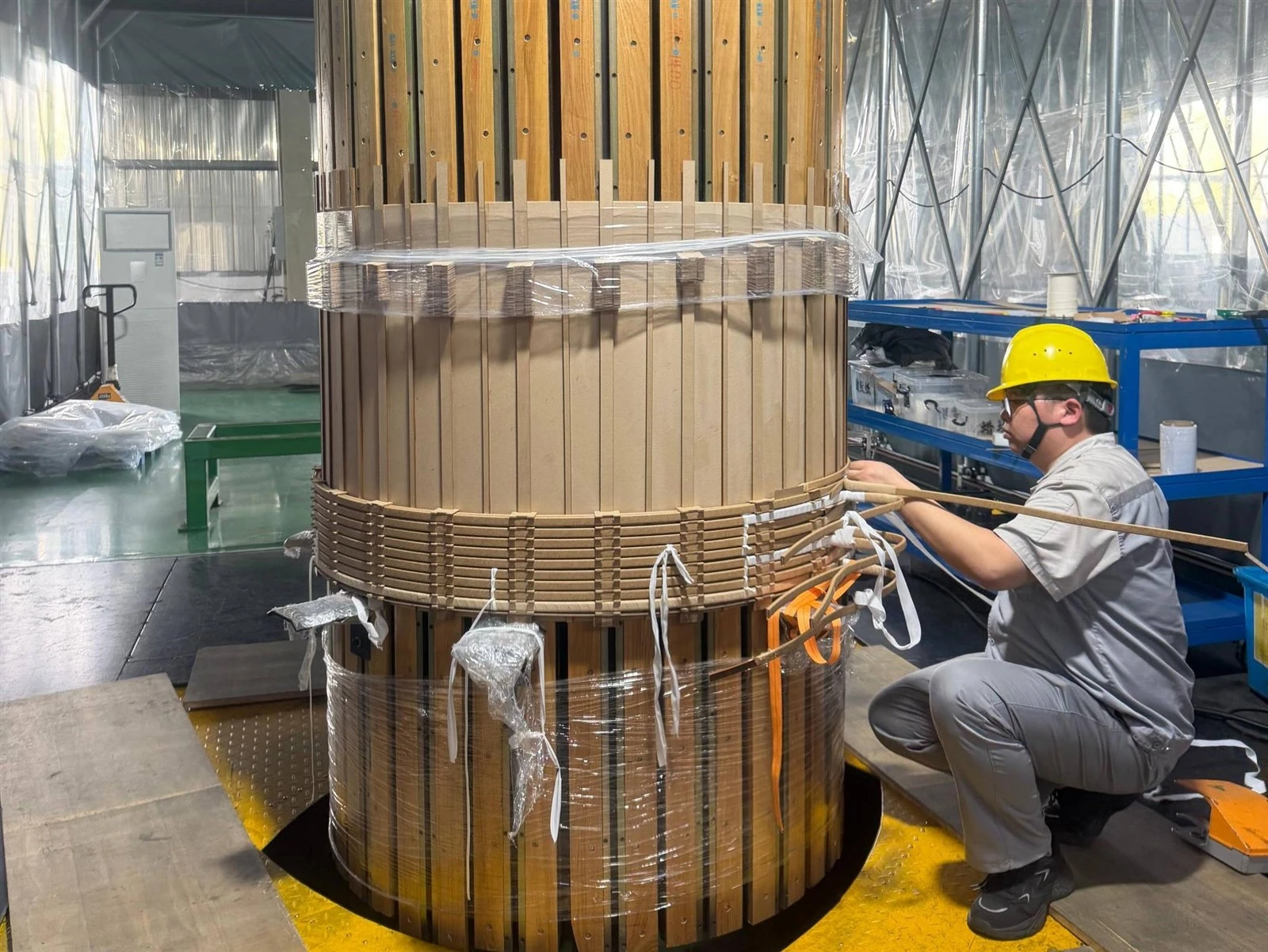
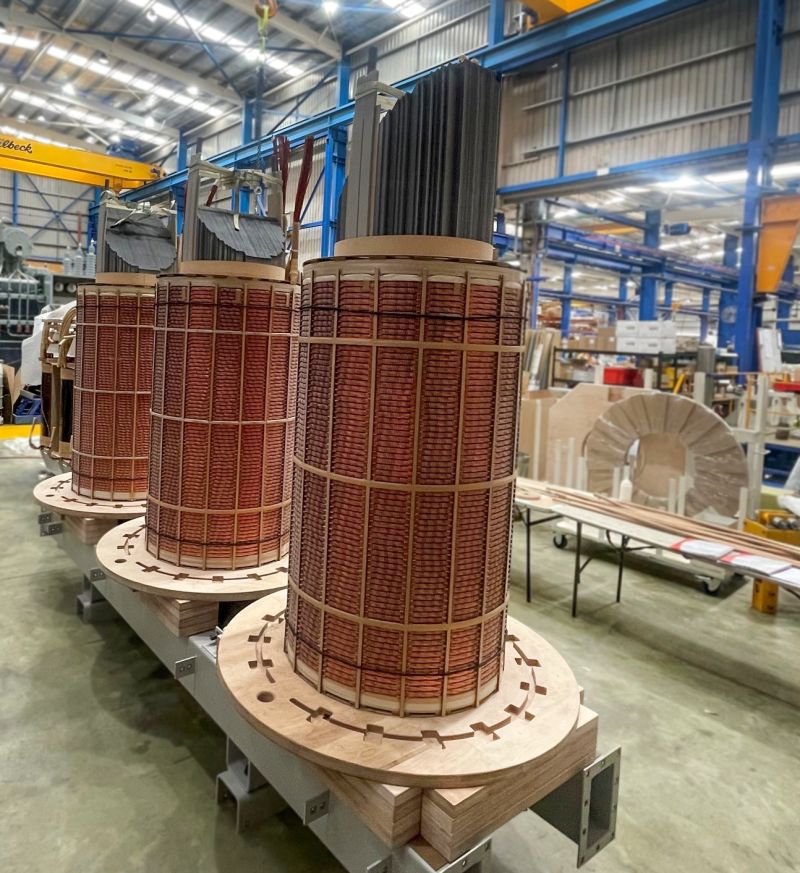
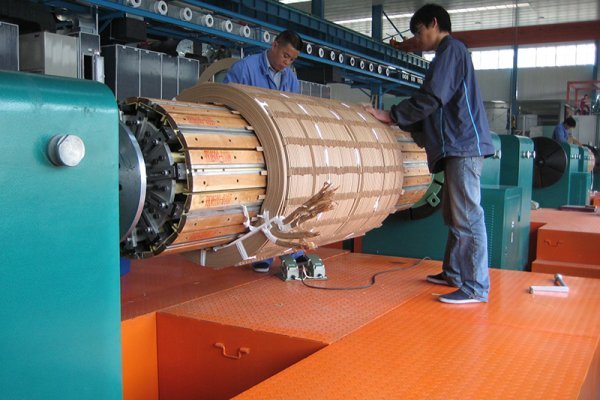
Additionally, consider the materials used in  construction. High-quality copper or aluminum conductors, insulated with durable materials, can significantly influence  performance and lifespan. Understanding  the production equipment employed by the manufacturer can also provide insights into their capability to  produce  high-quality  transformers consistently.

Lastly, seek  references or case studies from previous clients. Feedback from other  businesses  that have used the supplier's transformers can offer valuable insights into real-world performance  and  reliability.

Where to Find Reliable Suppliers of Three Winding Transformers

Where to Find Reliable Suppliers of Three Winding Transformers

Finding  reliable suppliers of three winding transformers involves thorough research  and  evaluation.  Start by exploring industry directories and trade shows,  where manufacturers often showcase  their latest products and capabilities. Networking  within industry-specific forums and associations can also provide recommendations for reputable  suppliers.

Online platforms that specialize in industrial  equipment can be an excellent  resource for identifying potential manufacturers. Look  for suppliers with a strong online  presence, detailed product  information, and positive  customer reviews.

Once you have a shortlist,  assess each supplier's  experience and expertise in manufacturing  three winding transformers. Consider their production  capabilities, customization options, and technical support services.  Engaging in direct discussions with potential suppliers about their capabilities and previous projects can help gauge  their reliability and suitability for your needs.

Features and Benefits

Three winding transformers offer  several features and benefits that make them indispensable  in power distribution  applications:

Efficient Voltage Regulation: They help maintain stable voltage levels across different loads, ensuring consistent  performance in power systems.

Versatile Applications: These transformers are suitable for various applications, including renewable energy integration,  commercial  buildings, and industrial facilities, thanks to their  customizable configurations.

Enhanced Performance: With advanced materials and manufacturing techniques,  modern  three winding transformers can operate efficiently under varying load conditions, reducing energy losses.

Scalability: As project demands grow, three  winding  transformers can be adapted or  upgraded to meet increased capacity needs without significant redesign.

By understanding these features  and benefits, buyers can appreciate the  long-term value of investing in high-quality three winding transformers tailored to their specific operational requirements. 


In summary, sourcing three winding transformers involves careful consideration of specifications, evaluation of quality, and selection  of reliable suppliers.  By prioritizing these factors, businesses can ensure they meet their  power distribution needs  effectively and efficiently.

What to Consider When Sourcing Three Winding Transformers Wholesale

When  sourcing three winding transformers, businesses should  consider  several key factors to ensure they meet their  operational needs. Firstly, defining the application  requirements is essential. Whether for  power grids, renewable  storage,  or  commercial projects, specific voltage ratings,  power capacity, and frequency specifications  must  align with the intended use. For instance, transformers rated for 6-10kV are ideal for certain applications, while those in the 10-35kV range might be suitable for others. 6-10kV transformers are versatile solutions for various projects.

Next, evaluate the customization capabilities  of the  supplier. Three winding transformers  often require tailored solutions to fit unique project specifications. Ensure the manufacturer can  provide flexible options, including different winding configurations, voltage ratings, and physical dimensions.

Additionally, consider the supplier's technical support and  service capabilities. A reputable manufacturer like Bardeen Equipment Co., Ltd. should offer comprehensive technical assistance, from installation guidance to troubleshooting.  Understanding lead times  and minimum order quantities (MOQ) is also crucial, as these factors can significantly  impact project schedules and costs.

Get a Free Quote

Our representative will contact you soon.
0/1000

Related product categories