Choosing the Right Transformer Bushings for Projects

application/transformer-bushings, application/transformer-bushings, 
Inquiry
application/transformer-bushings, application/transformer-bushings, 
Inquiry

transformer bushings

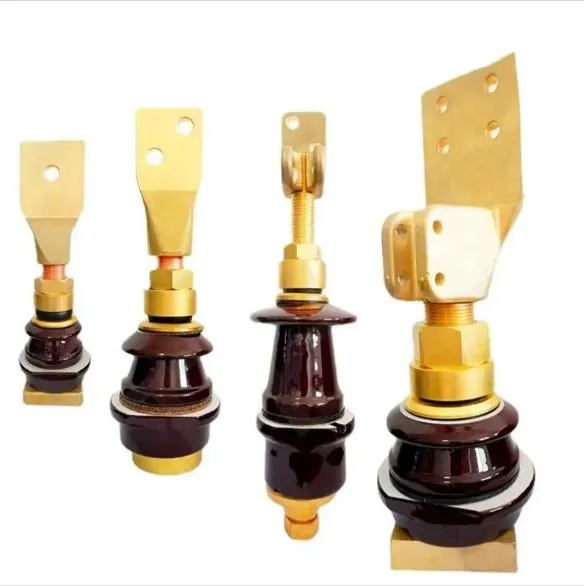
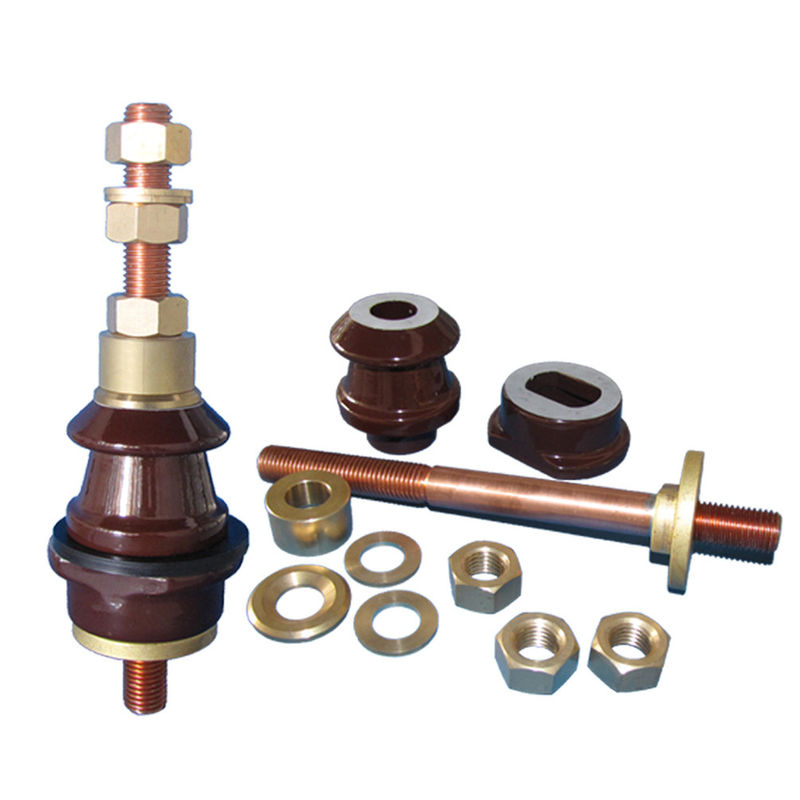
Transformer  bushings are critical components in  electrical systems,  providing insulation and support  for high-voltage conductors.  They are essential in transformers, substations,  and switchgear, ensuring  reliable performance  and  safety  in power transmission. B2B buyers, including  purchasing managers and engineers, often face challenges in selecting  the right bushings due to varying specifications,  material options, and  installation requirements.  This article aims to guide you through the  essential considerations for  choosing transformer bushings, sourcing reliable suppliers, understanding costs,  addressing common installation  issues, and recognizing the  material advantages of high-quality bushings.

Where to Find Reliable Suppliers for Transformer Bushings

Where to Find Reliable Suppliers for Transformer Bushings

Finding reliable suppliers  for transformer bushings can be daunting, but several strategies can  help streamline the process. Start by exploring industry networks and associations; these platforms often feature  reputable manufacturers known for their quality and service. Additionally, attending  industry trade shows and conferences  provides opportunities to meet suppliers, examine their products, and discuss your specific  needs.


Online directories and platforms specializing  in industrial equipment can also serve as valuable  resources. Look for  suppliers with strong customer reviews and  case studies that highlight  their experience and capabilities. It  is essential to  verify the  manufacturer's certifications, such as IEC compliance,  which indicates adherence to international quality standards.

Finally, do  not hesitate to ask for references or case studies from potential suppliers. Engaging with  other businesses that have  used their products can provide insights into reliability, quality, and performance, helping  you make an informed decision.

Cost Considerations

Cost Considerations

Cost is a significant factor when procuring transformer bushings,  but  it is essential to  evaluate it in the context  of quality  and performance. Several elements contribute to the overall cost, including material selection, manufacturing processes,  and customization requirements. For  example, while polymer bushings may initially appear  more expensive, their lower  maintenance and longer lifespan can lead  to  reduced total costs  over time.

Minimum order quantities (MOQs) can also influence pricing. Some  manufacturers may have high MOQs  that affect smaller projects. Understanding the lead time is equally important; longer production times can delay project schedules, potentially  increasing costs due to downtime. It is advisable to obtain detailed quotes that outline all associated costs, including shipping and handling, so you  can accurately assess your budget.

Lastly,  consider the potential for long-term savings through quality investment. High-quality bushings may have a higher upfront cost but  can minimize failures and  maintenance needs in the  long run.

Common Installation Problems with Transformer Bushings and Solutions

Common Installation Problems with Transformer Bushings and Solutions

Installation of  transformer bushings can present various challenges that,  if not addressed, may lead  to  operational failures. One  common issue is improper alignment during installation, which can cause mechanical stress and premature  failure. To mitigate  this risk, ensure that installation  teams  are trained  in  proper  alignment techniques and utilize tools to verify correct positioning.

Another frequent problem is inadequate sealing,  which can lead to moisture ingress and degradation of insulating materials. Ensuring that sealing  surfaces are clean and free of debris before  installation is  crucial. It is also advisable to conduct  post-installation inspections to verify that seals are intact.

Electrical testing post-installation, such as insulation  resistance  tests, can identify potentially problematic bushings before they are put into service. Regular maintenance checks are also essential to catch any issues early,  ensuring the longevity and reliability of the bushing.

Material Advantages of High-Quality Transformer Bushings Explained

The material chosen for transformer bushings plays a vital role in their performance  and longevity. High-quality materials, such as advanced ceramics  and specialized polymers, offer  several advantages. For instance, ceramics are known for their superior dielectric strength, enabling them to  withstand higher voltage levels without breakdown. This characteristic is crucial in maintaining system reliability in demanding environments.

Polymers,  on the other hand, are lightweight  and resistant to  environmental stressors, making them suitable for outdoor applications where exposure to UV light and moisture is  a  concern. Additionally, modern composite materials  can combine the best properties of both  ceramics and polymers,  providing enhanced performance without compromising on  weight or durability.

Furthermore, high-quality bushings usually undergo rigorous quality control processes during manufacturing, including testing for mechanical strength and electrical performance. This level of  scrutiny  ensures  that the final product meets or  exceeds industry standards, offering peace of mind for buyers.

Selecting the right transformer bushings involves understanding your specific  application needs, sourcing reliable suppliers, considering  cost factors, addressing installation challenges, and recognizing the benefits of high-quality materials. By taking these steps, you can  ensure that your electrical systems operate safely and efficiently.

How to Choose the Right Transformer Bushings for Your Projec

Selecting the right transformer bushings requires careful consideration of several  critical factors. First,  assess the voltage rating of your application. Transformer bushings must be rated to handle  the specific voltage levels in your system, typically ranging  from medium to high voltage. The insulation class is also crucial; it determines the bushing's ability to withstand electrical stress. 

Next, consider the material composition, which  can significantly impact performance. Common materials include porcelain, polymer,  and composite insulations. For  instance, porcelain offers excellent mechanical strength and dielectric  properties, while polymer bushings are lighter and less  prone to breakage. Additionally, evaluate  the environmental conditions where the bushings will  be installed, such as humidity,  temperature fluctuations, and exposure  to chemicals, as these factors can affect material choice. Moreover, understanding the differences between various types of transformers, such as Dry‑Type Transformers and Oil‑Immersed Transformers, can provide further context when selecting the most appropriate bushings for your needs.

Lastly, think about  customization options. Many manufacturers, including Bardeen Equipment Co., Ltd., offer  tailored solutions to meet specific application requirements. Providing detailed specifications, including the application type,  expected  load, and installation conditions, when discussing with suppliers will help ensure  you receive the most suitable  product.

Get a Free Quote

Our representative will contact you soon.
0/1000