Transformer LT Bushing Prices: Key Insights

application/transformer-lt-bushing-price, application/transformer-lt-bushing-price, 
Inquiry
application/transformer-lt-bushing-price, application/transformer-lt-bushing-price, 
Inquiry

transformer lt bushing price

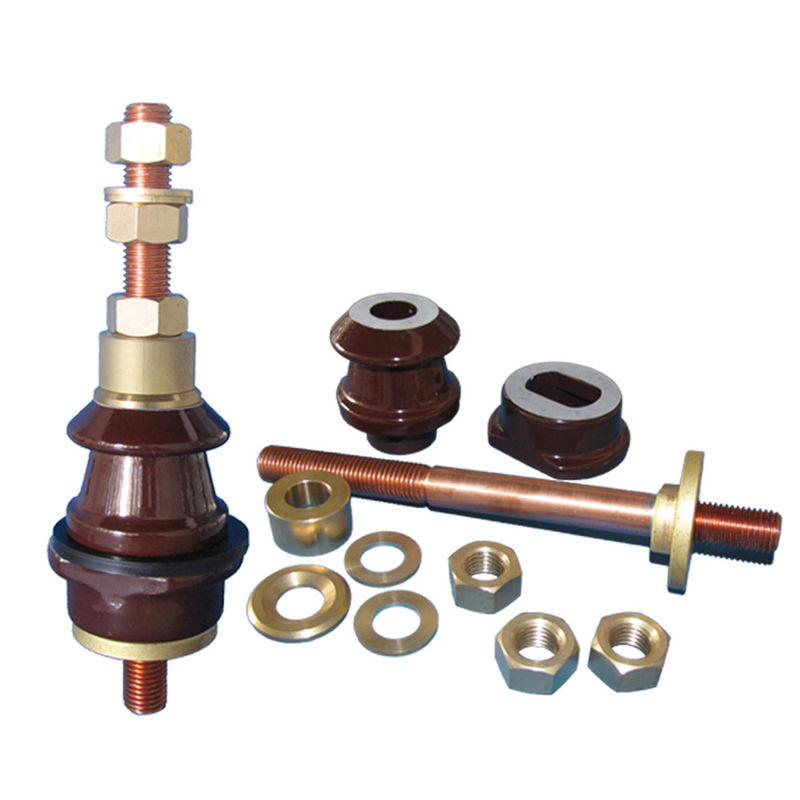
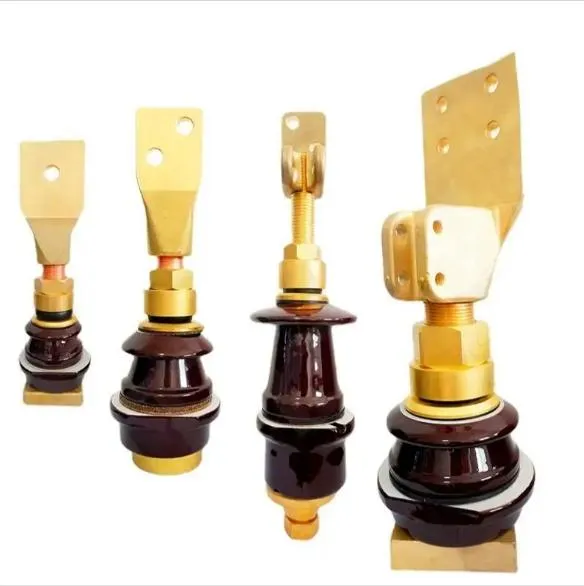
Transformer LT bushings  are crucial  components in electrical power  systems, serving as insulating supports  for  high-voltage conductors in  transformers. When considering  transformer  LT bushing prices, B2B buyers  often focus on key aspects  such  as quality,  reliability, application suitability, and  overall cost-effectiveness.  This article  aims to  provide  insights into sourcing reliable suppliers, key specifications  to consider,  factors influencing pricing, application considerations, and common issues with transformer LT bushings to aid  purchasing decisions.

Key Specifications to Consider When Buying Transformer LT Bushings

Key Specifications to Consider When Buying Transformer LT Bushings

When purchasing  transformer LT  bushings, several  key  specifications should be evaluated to ensure suitability for  your application:

Voltage Rating: Ensure the  bushing's voltage rating aligns with  your system  requirements. For instance, Bardeen Equipment Co., Ltd. produces IEC-certified bushings for up to 220kV applications.

Insulation Material: Common materials  include silicone rubber, epoxy resin, and porcelain. The  choice of material affects the bushing's electrical insulation properties, mechanical strength, and environmental resistance.

Dimensions and Weight: Confirm the physical dimensions and weight of the bushing to ensure compatibility with existing equipment  and ease of installation.

Current Rating: This specifies the  maximum current the bushing can  handle. Ensure it meets  or exceeds the anticipated load  in your application.

Mechanical Strength: Assess the bushing's  ability to withstand environmental stresses and operational conditions, including temperature variations and mechanical loads.

Understanding these specifications  will help you avoid compatibility issues  and ensure optimal performance in  your electrical systems.

Cost Factors Influencing Transformer LT Bushing Pricing for Wholesalers

Cost Factors Influencing Transformer LT Bushing Pricing for Wholesalers

Several factors  influence the pricing of transformer LT bushings, which  are critical  for wholesalers to  consider  when budgeting for purchases:

Material Costs: The  type and quality of insulation  materials significantly affect pricing. High-performance materials  may come at a premium but could offer better longevity  and reliability.

Manufacturing Complexity: Custom designs or specialized manufacturing processes will typically increase costs. Standardized bushings tend  to be more affordable due to economies of scale.

Certification and Testing:  Products that undergo rigorous testing and meet specific certifications, such as IEC compliance, may carry higher  prices due to the added assurance of quality and performance.

Order Volume: Bulk purchasing often results in lower per-unit costs. Suppliers may offer discounts for larger orders, which can be beneficial for wholesalers.

Lead Time: Rush orders may incur  additional costs. Planning ahead  can help in managing budgets effectively.

By  understanding these  cost factors, wholesalers can make informed decisions that align  with their financial strategies  while ensuring they  procure the necessary quality for their applications.

Choosing the Right Transformer LT Bushing for Different Applications

Choosing the Right Transformer LT Bushing for Different Applications

Selecting the appropriate transformer LT bushing is essential for ensuring optimal performance  and reliability across various applications. Consider the following factors  when making your choice:

Application  Environment: Assess the environmental conditions where the bushing will be installed. For outdoor applications, choose  bushings with enhanced weather resistance, such as those made from  silicone rubber or composite materials.

Load Requirements: Determine the load conditions the bushing will  experience. For applications with fluctuating  loads, ensure the bushing can handle  peak currents without degradation.

Installation Space:  Limited installation space may necessitate compact bushing designs. Verify  dimensions and ensure compatibility  with existing systems.

Compatibility with Other Equipment: Ensure that the bushing is compatible with transformers  and other associated equipment  in your setup. This  includes verifying electrical and mechanical  connections.

Future Scalability: If your project may expand in  the future, consider bushings that can accommodate  increased loads or changes in system voltage.

By aligning your bushing choices with specific application requirements, you can enhance the reliability  and  efficiency of your electrical systems.

Common Problems with Transformer LT Bushings and Their Solutions

Despite their importance,  transformer LT bushings may encounter several common  issues  during operation. Being aware of these problems and their solutions can help maintain system reliability:

Insulation Failure: Over time, insulation materials can degrade, leading to electrical failures. Regular maintenance  checks can identify early signs of wear. Replacing bushings at the first  sign of deterioration can prevent costly outages.

Moisture Ingress: Water ingress  can severely impact insulation performance. Ensuring proper sealing  during  installation and regular inspections can mitigate this risk. Consider bushings designed with moisture-resistant features.

Mechanical Damage: Physical impacts during installation or operation can damage bushings. Use proper handling techniques and protective packaging during transport to  minimize risks.

Thermal Expansion Issues: Variations  in temperature can lead to expansion and contraction of materials, potentially causing stress fractures. Selecting materials with  low thermal expansion coefficients can help  reduce  these risks.

Contamination Build-up: Dust and  debris can  accumulate on bushings, affecting performance. Regular cleaning and  maintenance are essential, especially in industrial environments.

By proactively addressing these common issues, you  can enhance the longevity  and reliability of transformer LT bushings, ensuring more stable operation in your power systems.

Where to Source Reliable Suppliers for Transformer LT Bushings

Finding dependable  suppliers for transformer LT  bushings involves  evaluating manufacturers based on  their experience, quality certifications, and ability  to meet specific requirements. Start by researching companies with a proven  track record in transformer manufacturing, like Bardeen Equipment Co.,  Ltd., which  specializes in various power components, including transformers and substations. Look for  suppliers with IEC certifications and relevant  industry experience, as these indicators typically reflect product quality and  compliance with international standards. Additionally, consider exploring options such as Oil Immersed Transformer 66kV 10000kVA for your transformer needs.

Networking within industry  forums, attending trade shows, and leveraging online platforms can  also help  identify  reputable suppliers. Request samples to evaluate the quality of their bushings and ensure they align  with your project specifications.  Furthermore, consider  suppliers who offer customization  options, as this flexibility can be crucial for unique  project requirements.

Get a Free Quote

Our representative will contact you soon.
0/1000