Choosing the Right Transformer Primary Winding

application/transformer-primary-winding, application/transformer-primary-winding, 
Inquiry
application/transformer-primary-winding, application/transformer-primary-winding, 
Inquiry

transformer primary winding

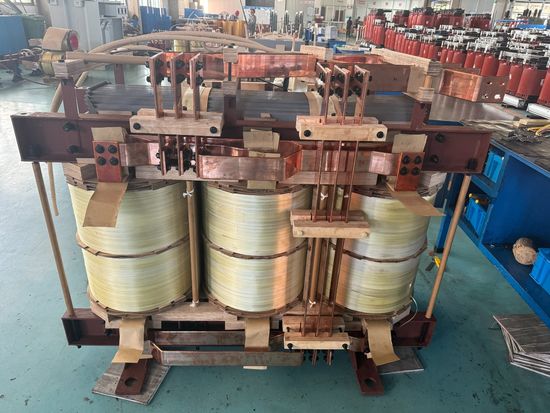
Choosing the right transformer primary winding is  crucial for the  performance and  efficiency of electrical systems.  The primary winding is the component that receives input  voltage and creates a magnetic field, which is  essential for the transformer’s operation. B2B buyers,  including purchasing managers and engineers, often  seek to understand  the specifications,  materials, and customization options available to  ensure that the transformer  meets  their  project requirements. This article will guide you through  the process of  selecting the right transformer primary winding,  key  specifications  to consider, sourcing options, common issues, and technical support for customization.

 
Key Specifications to Evaluate in Transformer Primary Windings

Key Specifications to Evaluate in Transformer Primary Windings

When evaluating transformer  primary  windings, several key specifications should be scrutinized:

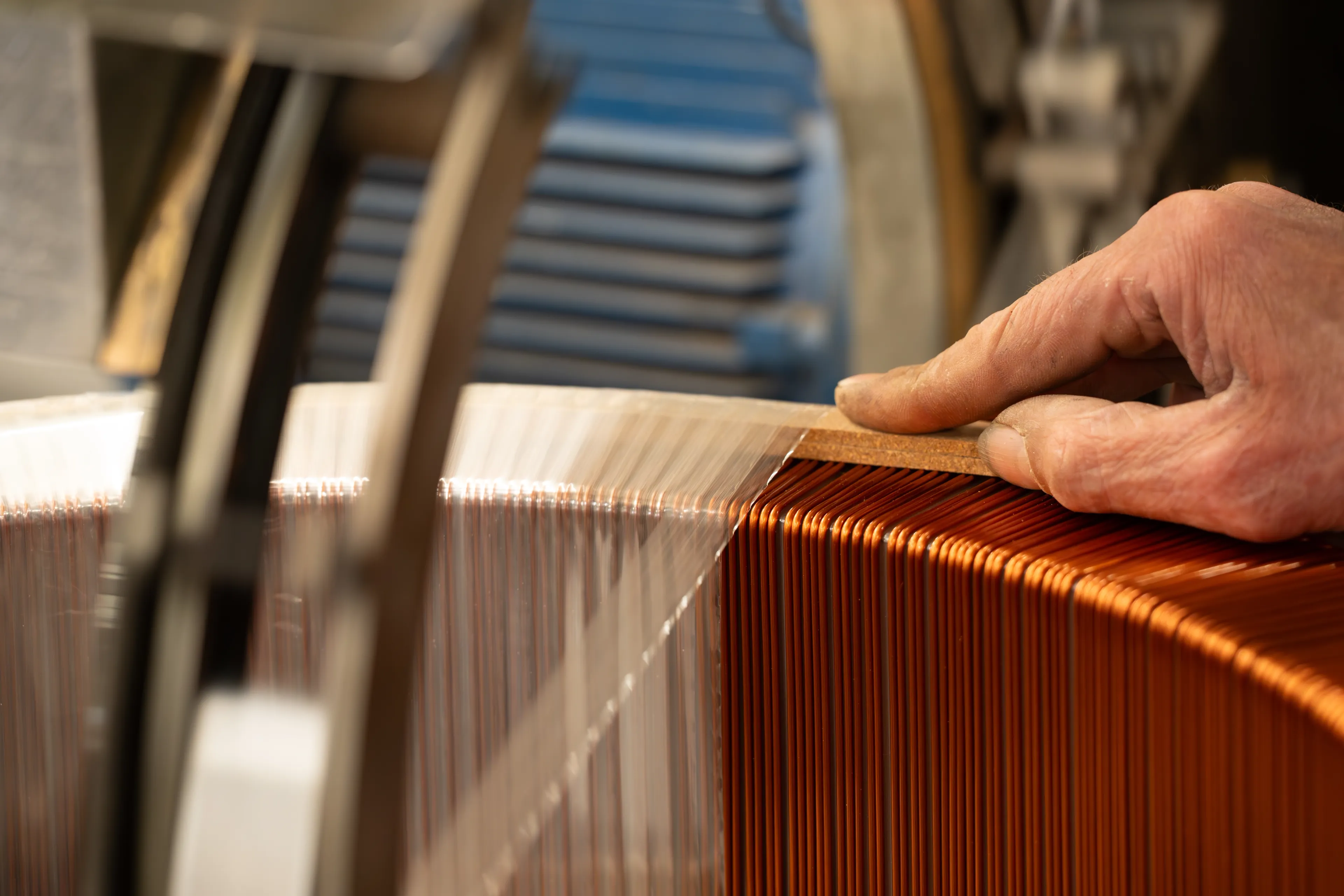
Material: Copper and aluminum are the primary materials used for  windings. Copper  offers lower resistance and better conductivity, while aluminum can  be lighter and more cost-effective. Your choice will depend on the  specific requirements of your application, such as weight constraints and budget.


Insulation Class: The insulation class defines the temperature limits that the winding can withstand  without deterioration. It's crucial to select a class that meets or exceeds your operational temperature conditions to  avoid premature failure.

Winding Resistance: This specification affects the efficiency of the transformer.  A lower resistance indicates better performance but may also increase the cost.

Inductance: The inductance of the winding influences how the transformer reacts to changes in current. It’s important to choose  a winding that achieves the  desired inductance for your application.

Turns Ratio: This  specifies the relationship between the primary  and secondary windings and impacts voltage transformation.  A correct turns ratio is  essential for ensuring the transformer  operates effectively within your system.


Understanding these specifications will  help you make  informed decisions when sourcing transformer primary windings.

Where to Source Quality Transformer Primary Windings Wholesale

Where to Source Quality Transformer Primary Windings Wholesale

Finding  reliable  sources for  transformer primary windings is critical for ensuring quality  and performance. Reputable manufacturers that specialize in  electrical equipment, such as Bardeen  Equipment Co.,  Ltd., typically  offer various options tailored to specific needs. When sourcing, consider:


Manufacturer Certifications: Look  for manufacturers with certifications, such as IEC, which indicate adherence to international standards for quality and safety.

Customization Capabilities: Not  all projects have standard requirements. Companies that offer customization can provide tailored solutions that fit your  specifications.

Production Capacity:  Ensure that the manufacturer can meet your order quantities  within your required timeframe, especially for large projects or urgent orders.

Technical Support: A supplier that provides technical support can  assist  in addressing any queries you may have regarding product specifications  or installation.


Engaging with manufacturers that have a robust reputation in the  market will ensure that the transformer  primary windings meet your required standards.

Common Problems with Transformer Primary Windings and Their Solutions

Common Problems with Transformer Primary Windings and Their Solutions

Several common issues can arise with transformer primary windings, impacting performance  and  reliability:

Overheating: This can occur due  to excessive load, inadequate cooling, or poor insulation. To  mitigate this risk, ensure  that the winding can handle  the current load  specified and that proper cooling mechanisms are in place.

Insulation Breakdown: Poor-quality insulation or operating beyond the rated temperature can lead to failures.  Always verify insulation class ratings and choose materials  suited for the operating environment.

Mechanical  Damage: Windings can be damaged during installation or  operation.  Employ proper handling techniques and ensure that the  installation site is free from  potential hazards.

Electromagnetic Interference: Inadequate design or poor implementation can lead to interference, affecting transformer performance. Employing proper shielding and grounding techniques can help reduce  this issue.

Identifying and addressing these  problems early  can enhance the longevity  and reliability of  transformer primary  windings.

Technical Support for Transformer Primary Winding Customization Needs

Customization is  often necessary  to  meet specific project requirements for transformer primary windings.  Bardeen Equipment  Co., Ltd. is equipped to provide technical support throughout the customization process. Here are key aspects to consider:

Consultation Services: Engage with technical experts who can help you understand  the implications of different specifications and assist in designing a winding that meets your unique requirements.

Prototyping  and Testing: Before moving to  mass production, request a prototype.  Testing the prototype under actual operating conditions can help ensure that the  winding performs as expected.

Quality Assurance: Ensure the manufacturer has a robust quality control process in  place. This includes regular inspections and testing  of materials and finished products to verify compliance with specifications.

Documentation  Support: Request detailed documentation, including material certifications, performance data, and installation  guidelines.  This information is invaluable for ensuring compliance and performance in your application.

By utilizing these technical support  services, you can enhance  the customization  process and ensure  that the transformer primary winding aligns perfectly with your  project requirements.

How to Choose the Right Transformer Primary Winding for Your Projec

Selecting the appropriate transformer primary winding involves considering several factors. First, assess the voltage and  current ratings that  your  application demands. The primary winding must be rated  to handle the input voltage without overheating or failing.  Additionally,  consider the type of insulation material required, which should align with the operating environment to  ensure durability  and reliability.

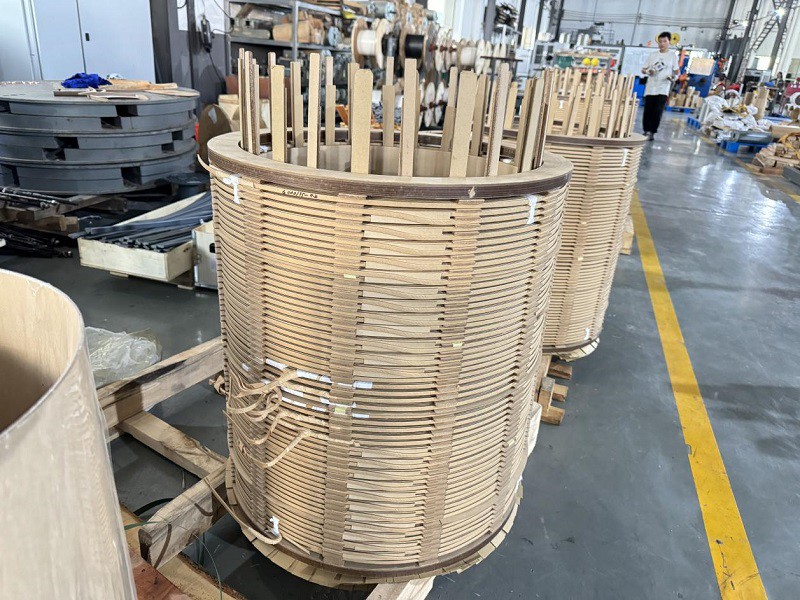
Next, evaluate the  winding  configuration. Common configurations include layered, disc, and helical windings,  each  offering different advantages based on the application. For instance, layered windings are typically used in high-power  applications  due to their ability  to handle larger currents efficiently. If you are considering options for high-voltage applications, you might want to look into 10–35kV transformers for effective solutions.


Lastly,  it's essential to discuss your specific project needs  with manufacturers  capable of custom solutions. Bardeen Equipment Co., Ltd. offers tailored transformer primary windings and can provide guidance to ensure that the selected winding matches your operational  requirements.

Get a Free Quote

Our representative will contact you soon.
0/1000