Choosing the Right Two Winding Transformer

application/two-winding-transformer, application/two-winding-transformer, 
Inquiry
application/two-winding-transformer, application/two-winding-transformer, 
Inquiry

two winding transformer

Choosing the  right two winding transformer is  crucial for  ensuring efficient  energy management  in various  industrial applications. Two winding transformers play a pivotal  role in stepping  up or  stepping down  voltage levels, making them essential for power distribution and grid stability. , we  will explore key specifications to consider when selecting  two winding transformers, how to assess  their quality  for bulk  orders,  reliable sourcing options, cost factors involved  in purchasing, and their  applications in industrial settings. This information will help purchasing managers, engineers, and project  managers  make informed decisions.

How to Evaluate the Quality of Two Winding Transformers for Bulk Orders

How to Evaluate the Quality of Two Winding Transformers for Bulk Orders

Quality assessment is fundamental when ordering two  winding transformers in bulk. Here are practical steps to ensure  you are sourcing high-quality transformers:

Certifications: Verify that the manufacturer holds relevant certifications, such as IEC or ISO standards.  These certifications indicate adherence to international quality standards, ensuring product  reliability and performance.

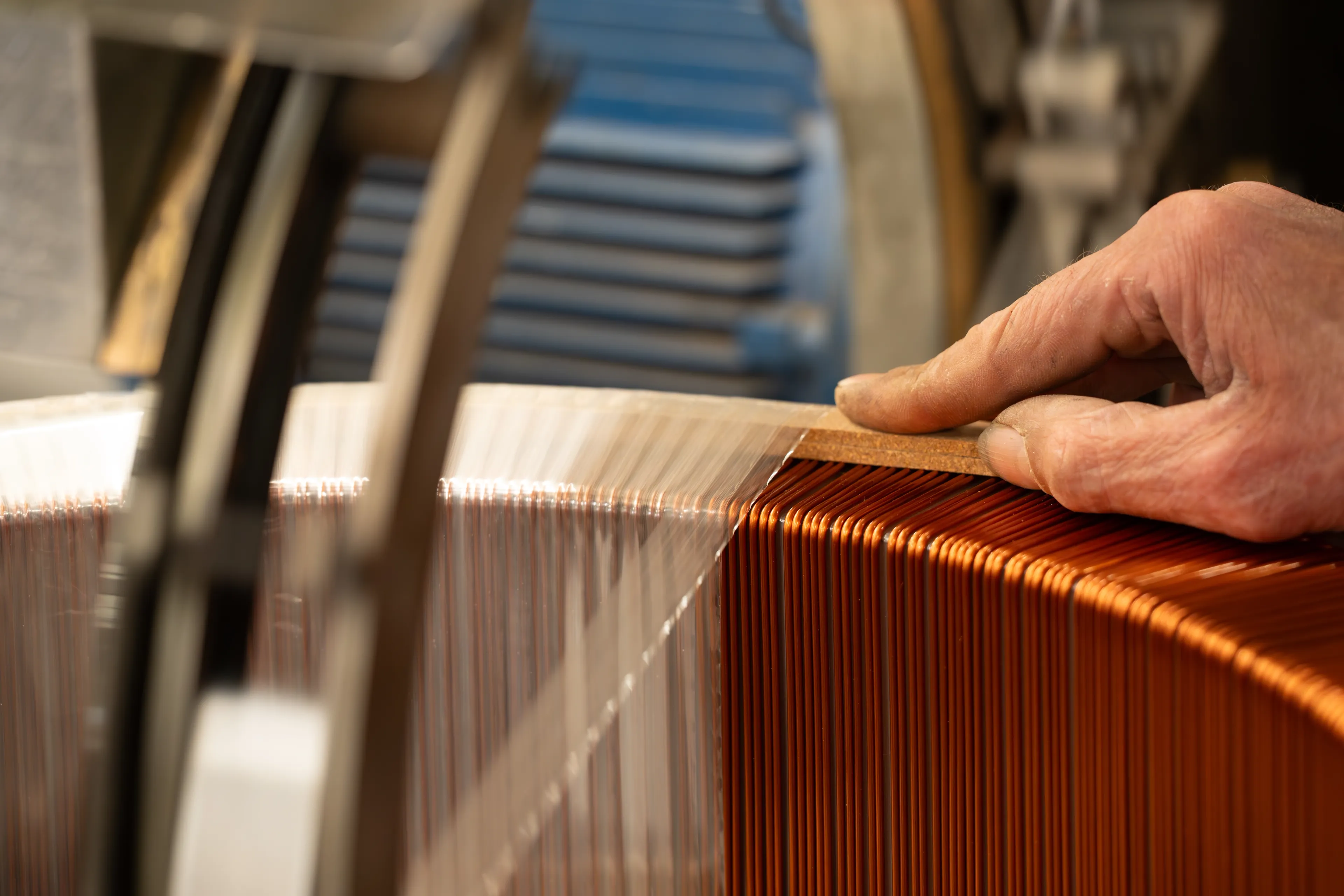
Material  Selection: Inspect the materials used in  the  transformer’s construction,  including copper for windings and high-grade steel for cores. High-quality materials  enhance efficiency and longevity.

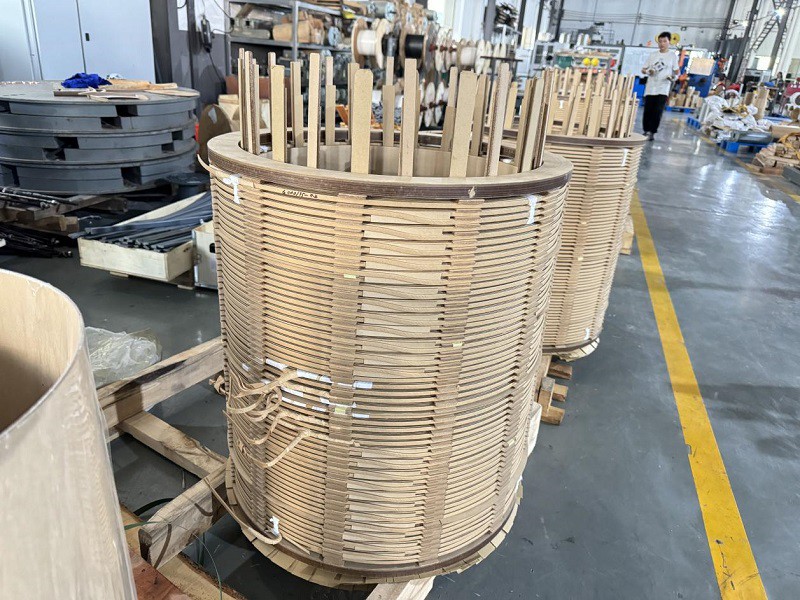
Manufacturing Process: Inquire about the manufacturing processes employed by the supplier. A reputable manufacturer will have robust quality control measures,  including testing at various production stages to detect defects early.

Testing Protocols: Request information on the testing procedures for transformers. Qualified manufacturers will conduct tests such as  insulation resistance  testing and load testing to ensure that transformers meet  specified performance metrics.

Sample Approval: Before committing to a bulk  order, request samples for evaluation.  Testing samples under actual operational conditions is essential to  confirm that they meet your  specifications and performance expectations.

By following these evaluation steps, you can mitigate risks associated with bulk orders and ensure that the transformers you procure  will perform reliably  in your applications.

Where to Source Reliable Two Winding Transformers for Your Projects

Where to Source Reliable Two Winding Transformers for Your Projects

Sourcing reliable two winding transformers requires careful consideration of suppliers. Here are some avenues to explore:

Established Manufacturers: Partnering  with  established manufacturers like Bardeen Equipment  Co., Ltd. can provide you with a breadth  of experience and a portfolio of IEC-certified products. Their expertise in customization can help tailor transformers to meet specific project needs.

Industry Distributors:  Engaging  with reputable distributors who specialize in electrical equipment can be beneficial. They often have established relationships with manufacturers and can facilitate  easier procurement processes.

Trade Shows and Expos: Attending  industry trade shows can offer direct access to various manufacturers  and distributors. This allows  you to discuss  specifications, assess capabilities, and view products  firsthand.

Online Marketplaces: B2B marketplaces can provide a platform for comparing suppliers. However, it is essential to perform due diligence, including checking reviews and ratings, to ensure  reliability.

Professional Networks: Leveraging professional networks and industry contacts can lead to recommendations  for trusted  suppliers. Personal referrals can  often provide insights into the quality and reliability of  products.

By utilizing these sourcing avenues, you can find reputable suppliers that align  with your quality  and performance expectations.

Cost Factors to Consider When Purchasing Two Winding Transformers

Cost Factors to Consider When Purchasing Two Winding Transformers

The cost of  two  winding  transformers  can vary significantly  based on several factors. Understanding these  can help you  budget more effectively:

Specifications: Higher specifications, such  as voltage rating and power capacity, typically lead to increased  costs. Determine the necessary specifications for your application to avoid unnecessary expenses.

Customization: If you require custom features or specific configurations, expect additional costs. Customization can provide tailored solutions but may extend lead times and  increase pricing.

Material Costs: The choice  of materials directly influences the cost. Copper windings and high-grade steel cores are more expensive but offer better performance and longevity.

Manufacturing Volume: Bulk  orders may result in lower unit prices,  allowing for cost savings. However, ensure that the minimum order quantity aligns with your project needs.

Shipping and  Handling: Factor in shipping costs,  especially for international orders.  These can  vary based on the size and weight of the transformers, as well as the  shipping method chosen.

By considering these cost factors, you can make informed decisions that  align with  your budget while ensuring quality performance.

Applications of Two Winding Transformers in Industrial Settings

Two winding transformers find diverse applications across various industrial sectors. Here are some common uses:

Power Distribution: They are essential for stepping down high  voltages from transmission  lines to  usable levels  for commercial and industrial applications, ensuring safe and  efficient energy distribution.

Renewable Energy  Systems: In renewable  energy projects, such as solar or wind, two  winding transformers manage voltage conversion to connect the generated  power to the grid, facilitating the integration of renewable sources.

Manufacturing Facilities: Many manufacturing processes require  specific voltage levels for equipment. Two winding transformers ensure that machinery operates at optimal efficiency, enhancing productivity.

Substations: In substations, these transformers  play a vital role in voltage regulation and  system stability, helping maintain consistent power quality across the grid.

Data Centers: With the increasing demand  for data  processing, two winding transformers help manage power supply stability and efficiency, ensuring uninterrupted service. For instance, transformers like PowerGrid-10000H Substation Transformer are often used in such environments.

Understanding  these applications will help you recognize the critical role that two  winding transformers play in various industrial settings and guide your purchasing decisions based on specific industry needs.

By focusing on these key aspects  of  two winding transformers, purchasing managers and engineers can make informed decisions that align with their project requirements and operational goals.

Key Specifications to Consider When Choosing Two Winding Transformers

When evaluating two winding transformers, several key specifications should guide your selection process:

Voltage Rating: This specification indicates the maximum voltage the transformer can handle. It’s essential to match this rating with your  application requirements to prevent insulation failure  or operational inefficiencies.

Power Rating: Measured in kilovolt-amperes (kVA), this rating defines  the maximum  load that the transformer can support.  Ensure that the transformer’s power rating aligns with your system's requirements to avoid overloading.

Frequency: Transformers typically operate at either 50 Hz or 60 Hz. Choosing a transformer that  matches the frequency of your power supply is vital for optimal performance.

Impedance: This impacts voltage  regulation and fault current levels in the system. A transformer's impedance should be calculated based on the specific application to ensure appropriate performance during short-circuit conditions.

Cooling Method: Transformers can be air-cooled or oil-cooled. The cooling method  affects efficiency,  size, and installation requirements.  Select a  cooling method that suits your operating environment and efficiency needs, such as an Oil Immersed Transformer 66kV 10000kVA.

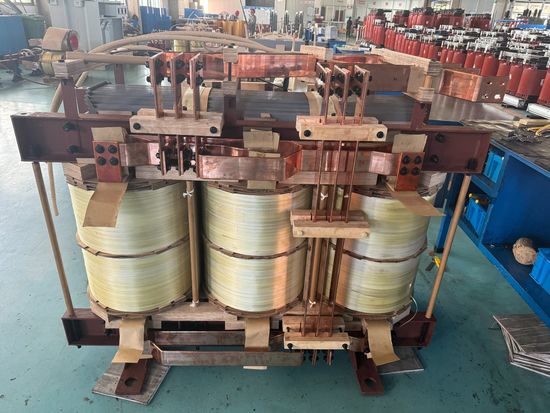
Winding Configuration: Two winding transformers come in various  configurations,  such as Delta-Delta, Delta-Wye, or Wye-Wye. The choice of configuration impacts phase relationships and voltage transformation ratios, making it crucial to select  one that fits your application.

Understanding these specifications will help you identify  a transformer  that meets your operational  demands while  ensuring safety  and reliability.

Get a Free Quote

Our representative will contact you soon.
0/1000

Related product categories