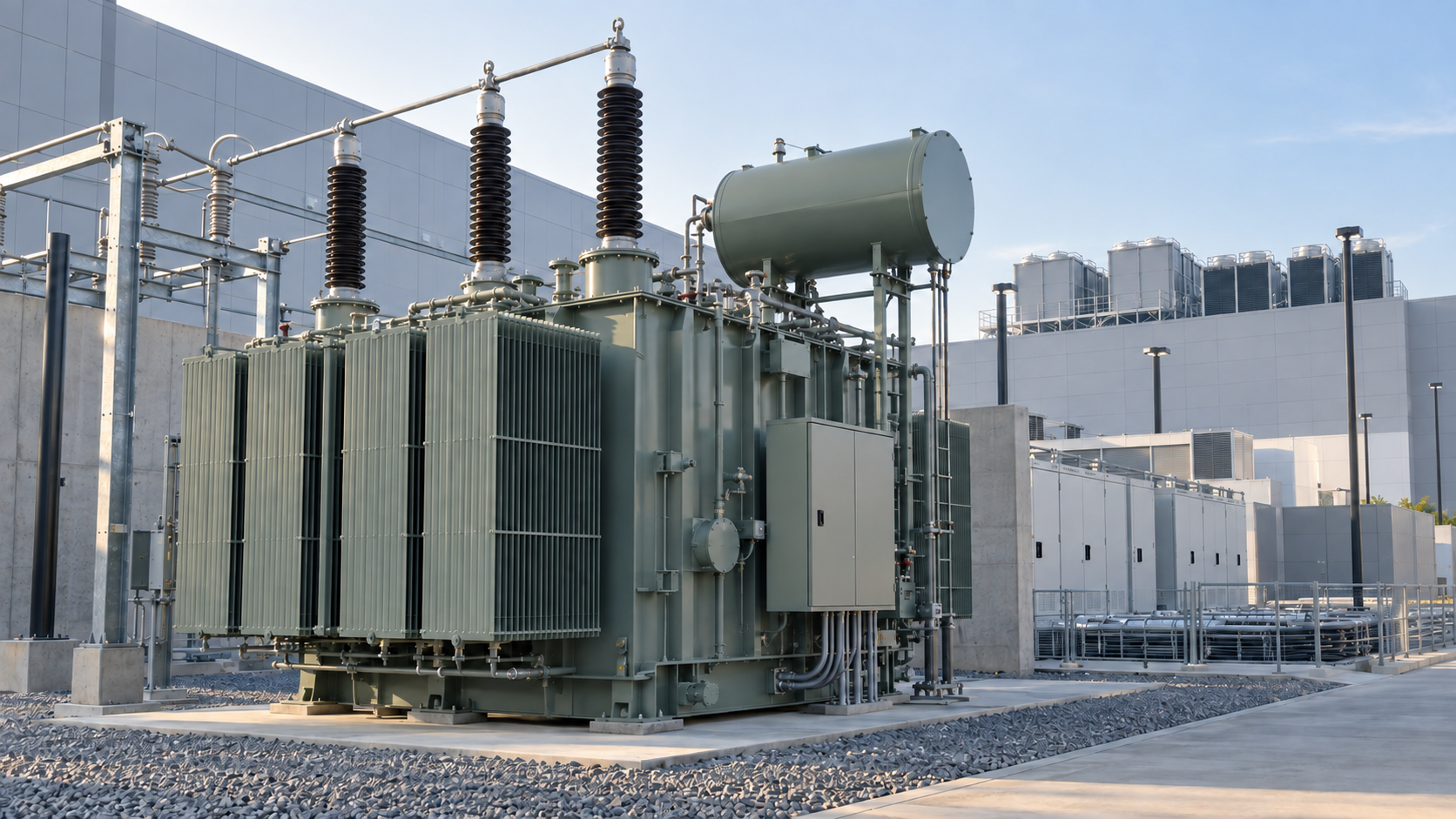
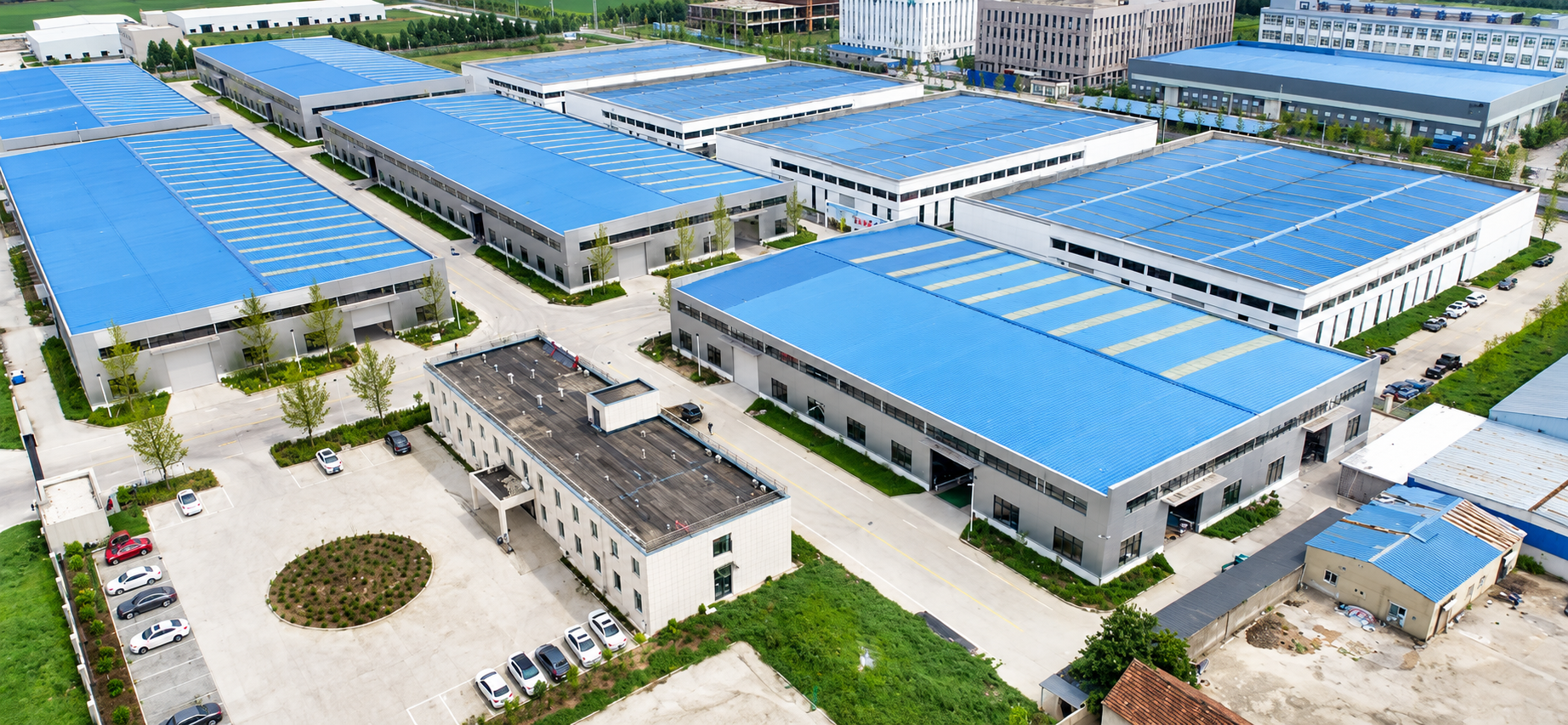
Data center power delivery is receiving unusual attention. On September 14, 2026, Enphase Energy announced that it would present a solid-state transformer concept for high-density AI data centers at an industry summit. The company also made clear that full-system demonstrations were still expected later in 2026 and customer pilots were planned for 2027. Five days earlier, the US Energy Information Administration published a forecast in which data center development and manufacturing activity were important drivers of record electricity consumption.
These developments show why power architecture is becoming a board-level discussion. They do not remove the need for disciplined transformer procurement. Most projects moving from concept to construction still need equipment matched to the utility interface, site distribution system, load profile, redundancy strategy and operating environment. A transformer selected from only a capacity and voltage request may leave critical engineering assumptions unresolved.
For Bardeen, a useful inquiry is therefore more than “Please quote one transformer.” It is a structured input package that connects the owner’s operational objectives to design, production, factory testing, documentation and delivery. The following eight inputs can help overseas buyers, EPC companies and consultants create a clearer request for quotation.
A headline capacity is necessary, but it does not explain how the facility will operate. The manufacturer also needs to understand the expected initial load, future expansion stages, normal loading pattern, short-duration peaks and the relationship between IT load and supporting systems such as cooling, pumps, lighting and auxiliary power.
The customer should identify whether the quoted rating represents the expected operating load, a design maximum, a contingency condition or a future build-out. If several phases will be energized over time, include the forecast for each phase. This helps Bardeen review the requested rating and cooling arrangement against the stated operating scenario without guessing which margin the customer has already included.
The load schedule should remain a customer or consultant input. Bardeen can review it from the transformer side and identify missing information, but it should not be treated as a substitute for the project’s system study or capacity plan.
2. State the Redundancy Philosophy and Operating Cases
Terms such as N, N+1 or 2N describe broad availability objectives, but they do not fully define transformer duty. The RFQ should show which transformers operate in parallel, which remain on standby, what happens during maintenance and how load transfers after one unit or feeder is unavailable.
A single-line diagram should identify normally open and normally closed connections, bus sections, tie breakers, backup generation, energy storage and any planned automatic transfer sequence. It should also state whether parallel operation is expected. If transformers will operate in parallel, the technical review needs compatible voltage ratios, vector groups, impedance requirements and tap arrangements defined by the project engineer.
Bardeen can use the approved operating cases to check that the proposed transformer data and connection arrangement are aligned with the customer’s stated system concept. Protection settings, selectivity, load flow and reliability modelling remain subject to the responsible engineer’s studies.
3. Define the Utility and Distribution Interfaces
The primary and secondary voltages are only the beginning. The RFQ should include system frequency, highest system voltage where applicable, insulation requirements, earthing method, available fault level, winding connection, neutral treatment, tap range and whether tap changes are required off-circuit or under load.
Customers should also provide the intended connection method. Cable boxes, busduct interfaces, exposed terminals and plug-in arrangements create different mechanical and electrical requirements. Terminal orientation, conductor quantity, cable size, bending space and enclosure boundaries should be coordinated before the general arrangement is frozen.
Bardeen can translate agreed interface data into the transformer datasheet and drawings for customer review. Where the utility or downstream equipment information is incomplete, a clarification register can make assumptions visible before they enter production.
4. Quantify Nonsinusoidal Load Current and Harmonic Expectations
Data centers contain power-electronic equipment, including uninterruptible power supplies, variable-speed drives and switched power supplies. The transformer inquiry should not assume that the current waveform is sinusoidal. Harmonic content can influence additional losses, heating, neutral current and equipment application.
IEEE C57.110 provides methods and application information for evaluating liquid-immersed and dry-type transformer capability when supplying nonsinusoidal load currents. For a new transformer, the useful project inputs may include the expected harmonic current spectrum, total harmonic distortion under relevant operating cases, loading level associated with the spectrum and any specified K-factor or equivalent design requirement where appropriate to the selected standard and product type.
Bardeen can review these declared conditions during technical clarification and determine what additional design information or testing discussion is required. The harmonic data should come from the system designer, equipment suppliers or a qualified study rather than from a generic assumption about all data centers.
5. Describe Ambient, Ventilation and Cooling Conditions
Transformer thermal performance depends on the equipment design and the environment in which it operates. The RFQ should state indoor or outdoor installation, maximum and minimum ambient temperatures, altitude, humidity or condensation concerns, pollution conditions, enclosure or room arrangement and available ventilation.
For liquid-immersed equipment, IEC 60076-2 addresses cooling methods, temperature-rise limits and temperature-rise testing, while IEC 60076-7 provides loading guidance related to ambient temperature, operating temperature and thermal ageing. These references do not replace a project specification, but they show why ambient and loading assumptions belong in the inquiry.
If a transformer is installed inside a room or enclosure, the customer should provide airflow and heat-rejection conditions developed by the building-services engineer. Bardeen can supply agreed loss and cooling information for coordination and can review the proposed transformer cooling method. Responsibility for the room ventilation design should remain clearly assigned.
6. Separate Purchase Price from Operating-Loss Requirements
Two transformers with the same rating may have different no-load losses, load losses, cooling auxiliaries and evaluation assumptions. A useful RFQ states whether the customer has maximum loss limits, a capitalization formula, a preferred evaluation point or reporting requirements for guaranteed values and test results.
The expected loading profile matters because no-load loss is present whenever the transformer is energized, while load loss changes with current. A continuously energized standby arrangement may therefore be evaluated differently from a unit that is normally de-energized. The buyer’s consultant should define the economic evaluation method so competing proposals can be compared on the same basis.
Bardeen can prepare a technical offer against the agreed loss requirements and identify the values to be verified during routine testing. Any commercial guarantee, tolerance, test method and remedy must be stated in the final contract rather than inferred from marketing language.
7. Set Sound and Monitoring Requirements Before Design Approval
Data centers may be built near offices, homes or other occupied facilities. If transformer sound is a project constraint, the buyer should state the required sound criterion, measurement standard, operating condition, cooling-fan condition and whether the limit applies to factory measurement or the completed site installation. IEC 60076-10-1 explains that factory and service measurements can differ and discusses factors affecting sound measurement.
Monitoring expectations also need definition. The project may request temperatures, liquid level, pressure, cooling status, alarms, contact outputs, communication protocols or integration with a supervisory system. The useful question is not “Can the transformer be monitored?” but “Which parameters must be available, through which interface, and who will use them?”
Bardeen can review the requested instruments and communication interfaces during engineering clarification and show the agreed devices on the final documents. Compatibility with the customer’s monitoring platform should be confirmed using approved interface information, not assumed from a product name alone.
8. Create the Acceptance and Documentation Schedule at RFQ Stage
Factory acceptance should be connected to the specification from the beginning. The RFQ should identify the governing product standard, routine tests, any requested type or special tests, witness or review requirements, report format and approval sequence. Requests added after manufacturing has started may affect design, production planning, cost or schedule.
The document schedule is equally important. Typical project needs may include approved datasheets, general arrangement drawings, terminal details, control schematics, accessory information, test reports, packing lists, storage guidance and operation and maintenance information. Exact deliverables depend on the product and contract.
Bardeen can organize its technical response, drawing cycle, production controls, factory test documentation and delivery package around the agreed requirements. Installation guidance, commissioning assistance, training and after-sales support can also be discussed during quotation so the proposal distinguishes included work, optional services and activities assigned to the customer or local contractor.
Turn the RFQ into a Controlled Engineering Starting Point
A data center transformer inquiry does not need every detail to be complete on day one. It should, however, distinguish confirmed requirements from assumptions and future decisions. A preliminary single-line diagram, load schedule, voltage data, operating cases, harmonic information, site conditions, loss criteria, monitoring list and document schedule give Bardeen a practical basis for review.
Bardeen can then return a focused clarification list, prepare a project-specific technical proposal and update drawings as approved information develops. This structured exchange helps the customer compare offers on the complete supply scope instead of capacity and price alone.
New power-conversion technologies will continue to attract attention as data centers grow. For projects being specified today, the dependable starting point is still the same: define the real application, expose the interfaces and agree how design decisions will be verified before the transformer reaches site.

 EN