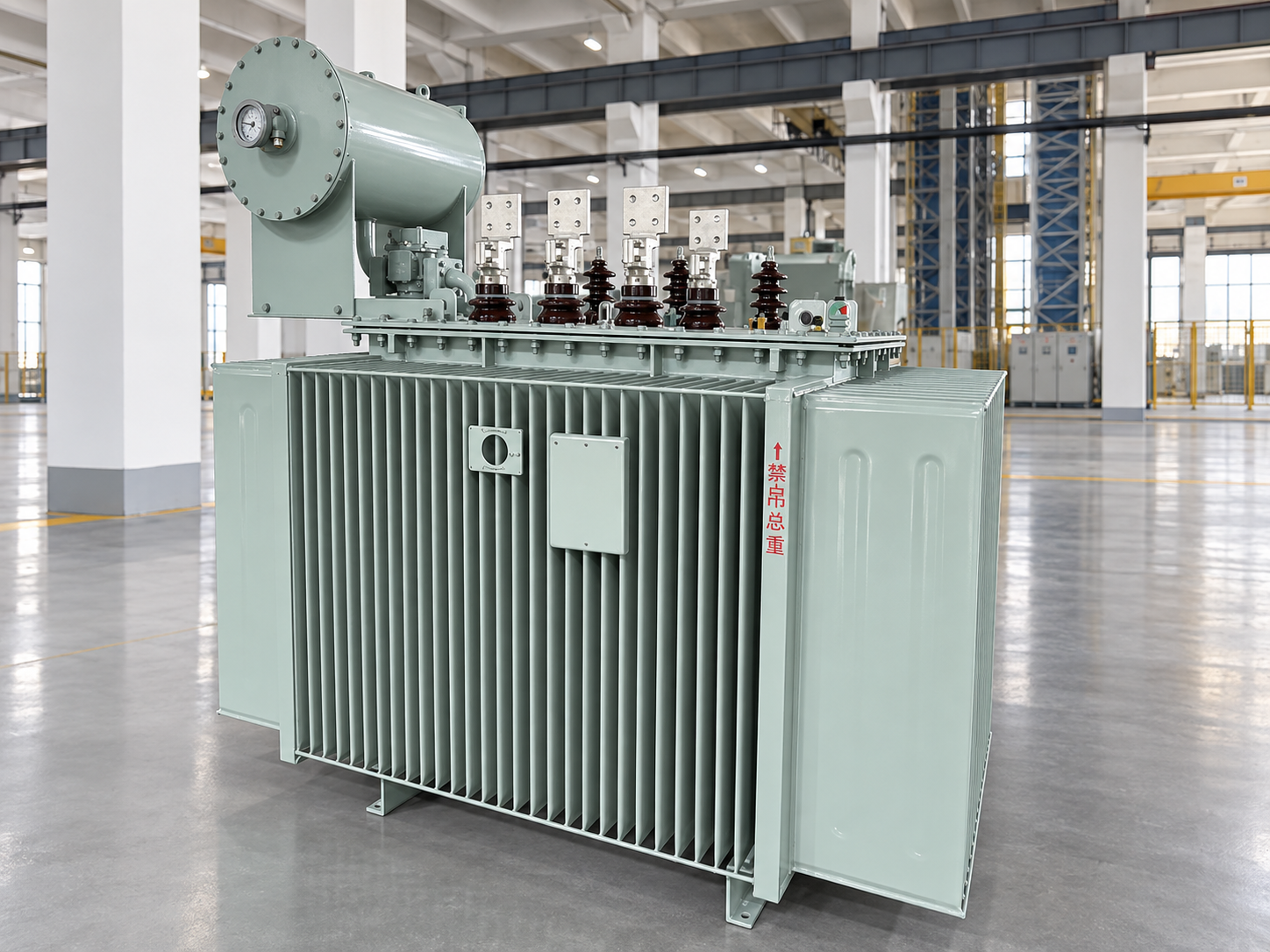
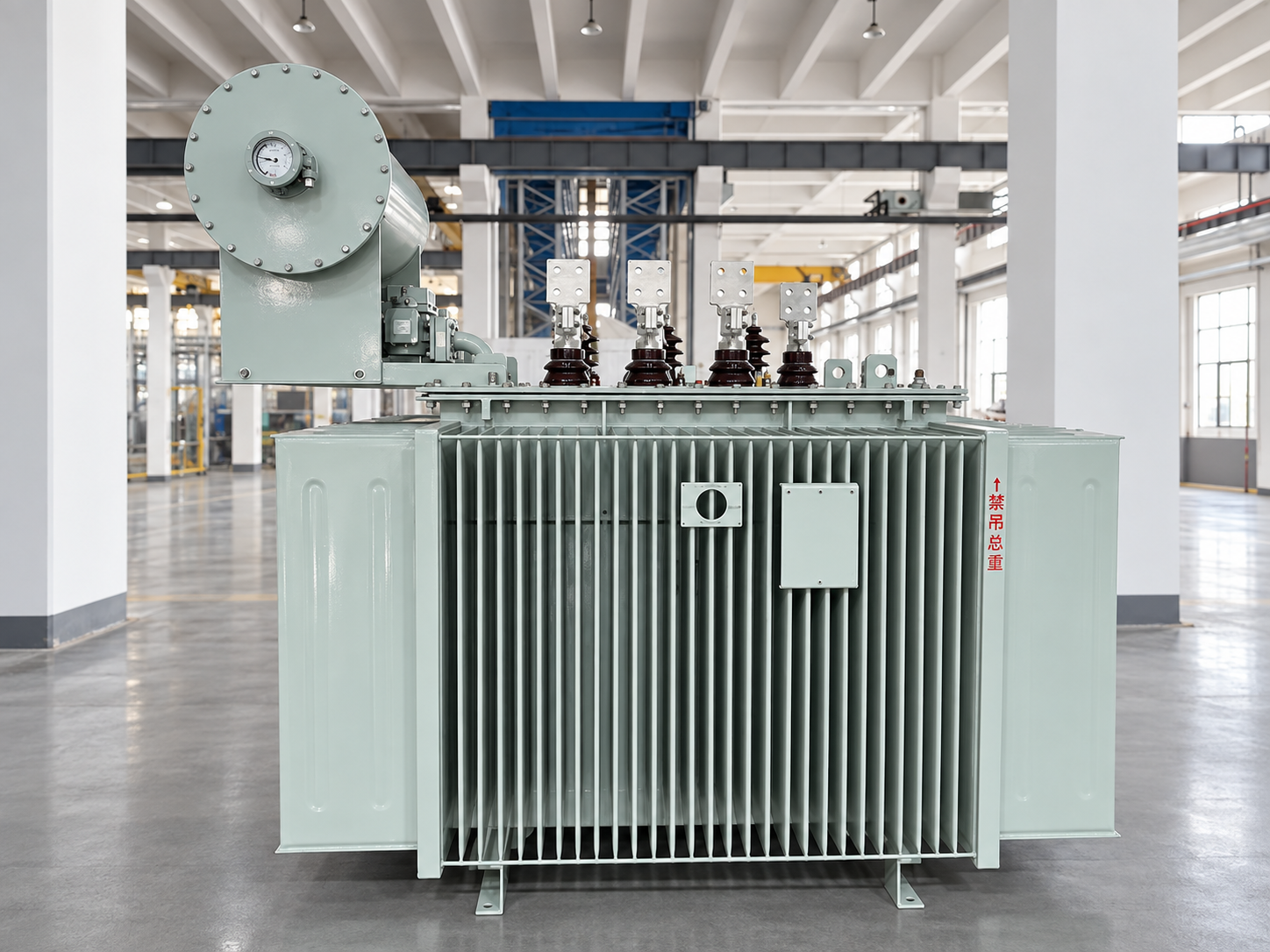
Evaluating Material Advantages of 10kVA Single Phase Transformers
The materials used in the construction of 10kVA single phase transformers play a pivotal role in their performance and longevity. Key material considerations include:
Core Material: The core is typically constructed from silicon steel, which provides low hysteresis losses and improves efficiency. Some manufacturers use amorphous steel, which can further enhance energy efficiency, especially in low-load conditions.
Winding Materials: Copper is preferred for its superior conductivity compared to aluminum, resulting in lower energy losses. However, aluminum is lighter and may be more cost-effective for certain applications. Buyers should consider the trade-offs based on their specific requirements.
Insulation Materials: High-quality insulation materials are essential for maintaining performance and safety. Insulation systems should be selected based on the operating environment and expected thermal conditions.
Environmental Resistance: Depending on the application, transformers may require materials that can withstand moisture, dust, or corrosive environments. Discussing these requirements with the supplier can lead to better material choices that enhance durability.
By understanding the advantages of different materials, buyers can select transformers that not only meet their performance needs but also provide greater reliability in their specific applications.
In summary, when considering a 10kVA single phase transformer, it is essential to evaluate the supplier's reliability, key specifications, common applications, cost factors, and material advantages. This comprehensive approach will ensure that buyers make informed decisions tailored to their operational requirements.
 EN