Choosing a 63 kVA Distribution Transformer

application/63-kva-distribution-transformer, application/63-kva-distribution-transformer, 
Inquiry
application/63-kva-distribution-transformer, application/63-kva-distribution-transformer, 
Inquiry

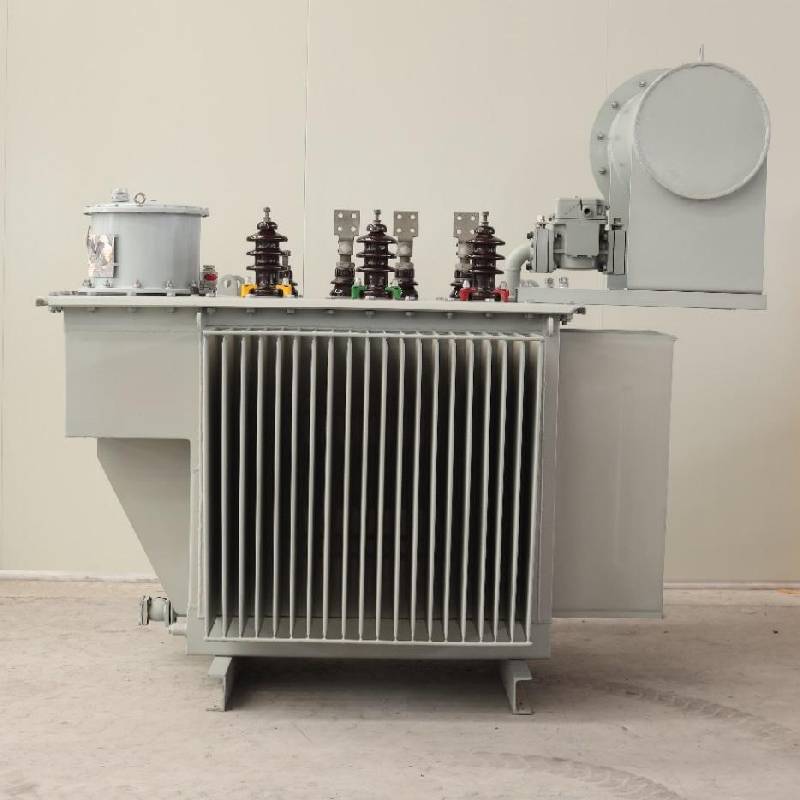
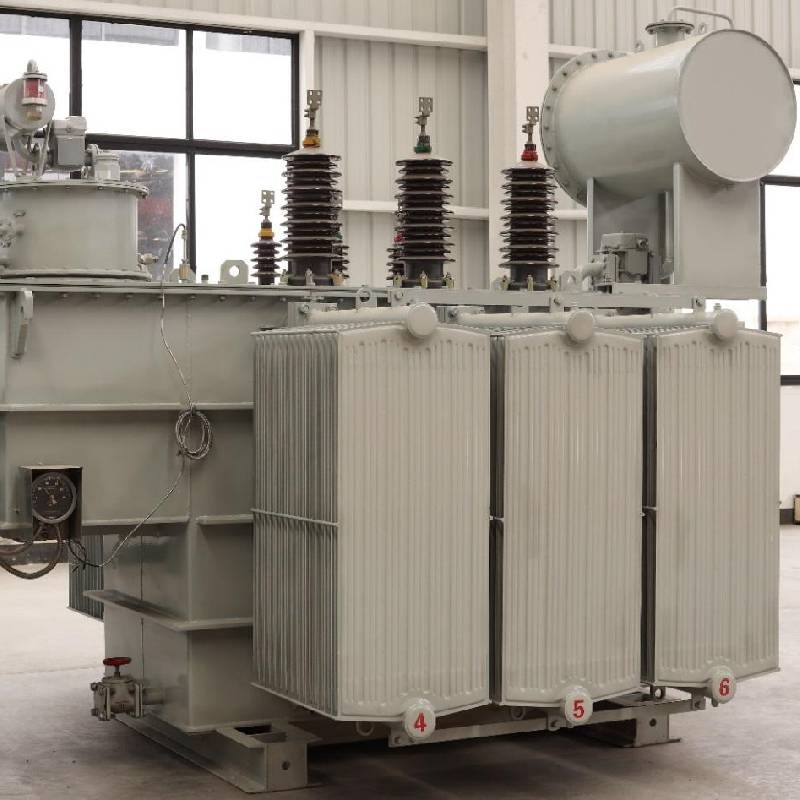
63 kva distribution transformer

Choosing the  right  equipment for electrical  distribution  is critical for  ensuring efficiency and  reliability in power systems. A  63  kVA distribution transformer plays a vital role in stepping  down voltage levels and  providing a stable supply for  various applications. When sourcing this type  of  transformer, buyers often seek guidance  on specifications, supplier options, and potential issues.  This article  will help  you navigate the key considerations when selecting a 63 kVA  distribution transformer  for your  projects.

Key Specifications of 63 kVA Distribution Transformers Explained

Key Specifications of 63 kVA Distribution Transformers Explained

Understanding the specifications of a 63 kVA distribution transformer is  essential for making an informed purchasing decision. Key specifications include:

Rated Power (kVA): This indicates the maximum load the  transformer can handle. A 63 kVA transformer is suitable  for medium-sized industrial or  commercial  loads.

Primary and Secondary  Voltage: These parameters define the input and output voltage of the transformer. Make  sure to specify the required voltages to ensure compatibility with your electrical system.

Frequency: Transformers are typically designed for either  50Hz or 60Hz applications. Confirm the frequency of your  power supply to prevent operational issues.

Impedance:  This affects  the voltage drop and short-circuit performance. An impedance value between 4% to 6% is commonly suitable for distribution  transformers.

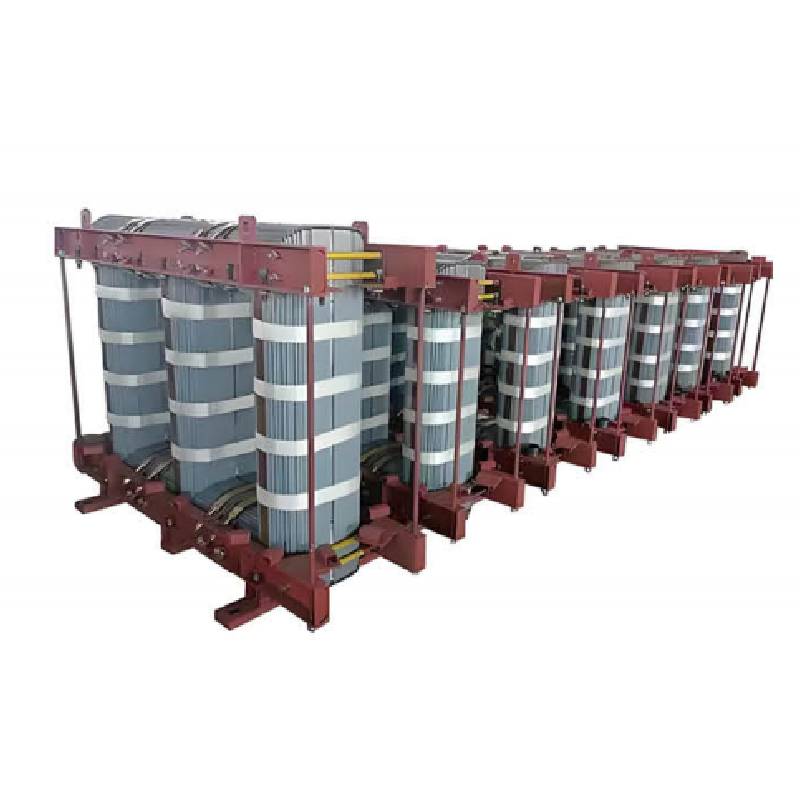
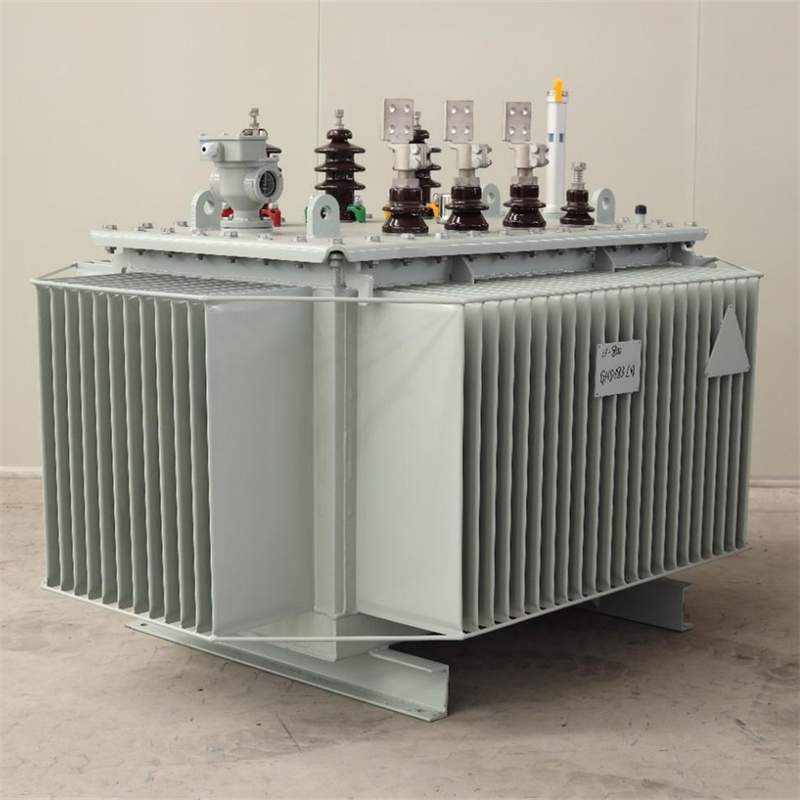
Cooling Method: As mentioned earlier, the cooling method impacts the efficiency and  lifespan of the  transformer. Oil-immersed units generally have better cooling capacity compared to dry-type.

Insulation Class: This indicates the  transformer's  ability to withstand temperature variations. Insulation classes like A, B, F, or H should be chosen based  on the operational temperature  range expected in your environment.


Each specification should align with your operational requirements to ensure optimal performance and  longevity.

Comparing Supplier Options for 63 kVA Distribution Transformers

Comparing Supplier Options for 63 kVA Distribution Transformers

When sourcing a 63 kVA distribution transformer, comparing suppliers  is crucial to finding  the right fit  for your needs. Start by evaluating each supplier's manufacturing capabilities and experience in producing transformers.  A  supplier with a strong  track record, like Bardeen Equipment Co., Ltd., which specializes in IEC-certified transformers, can provide assurance regarding  quality and compliance with industry standards.


Next, consider customization capabilities.  Some suppliers  may offer  more flexible design options or quicker turnaround times for custom specifications, which can be a significant advantage if your project has unique requirements.

Price is another essential factor, but it should not be the sole criterion for selection. Request  quotes from multiple suppliers, ensuring that you compare similar specifications and features. Also, inquire about the minimum  order quantity (MOQ) and lead times, as  these can affect your project's timeline.

Finally, review the supplier's customer  service and technical support. Working with a supplier that is responsive and knowledgeable can simplify  the purchase process and help  address any  potential issues that may arise during installation or  operation.

 
Common Problems with 63 kVA Transformers and Their Solutions

Common Problems with 63 kVA Transformers and Their Solutions

Despite their reliability, 63 kVA distribution transformers can encounter several common issues. Understanding these problems and their solutions can help buyers mitigate risks.

Overheating: This can occur due to excessive load or inadequate cooling. Ensure that the transformer is rated  appropriately for your  expected load, and consider the  cooling method  used. Regular monitoring of temperature can help identify issues  early.

Insulation Failure:  Aging insulation can lead  to short  circuits. Regular  maintenance checks and insulation resistance testing can help  identify potential failures before they cause significant  problems.

Noise Issues: Transformers can emit  noise, particularly during operation. If noise is a concern, look for  transformers designed with sound-dampening features or consider placing  the transformer in  a sound-proof enclosure.

Voltage Regulation Problems: Poor voltage regulation can affect  connected equipment. Ensure that the transformer's impedance is appropriate for  your  application and consider using a transformer with a higher regulation rating for sensitive electronic devices.

By being proactive about these potential problems,  buyers can enhance the reliability and  performance of their transformers.

Applications of 63 kVA Distribution Transformers in Various Industries

The 63  kVA distribution transformer is versatile and used across various sectors. Understanding its applications can  help buyers identify where it might  fit in their operations.

Commercial Buildings: These transformers are ideal  for supplying power to small to medium-sized commercial buildings, where they can  step down voltage for  lighting, HVAC  systems, and equipment.

Industrial Facilities: Factories and manufacturing plants often utilize 63  kVA transformers for machinery and production lines, where stability and reliability in power supply are crucial.

Renewable  Energy Systems: In  renewable energy applications, such as solar or wind installations, these transformers can  manage the integration of generated  power into the grid or distribute it for local use.

Telecommunication  Facilities: Telecom sites  require a consistent power supply to maintain operations. A 63 kVA transformer can effectively support equipment and  backup power systems.

Data Centers: These  facilities  demand  high reliability and efficiency for their sensitive equipment. A properly specified 63 kVA transformer can ensure stable power delivery.

By clearly understanding the intended application, buyers can make informed decisions about the specifications and features that  will best meet  their operational needs.

How to Choose the Right 63 kVA Distribution Transformer for Your Projec

When selecting a 63 kVA  distribution transformer, the first  step is to assess  your  specific application requirements. Key factors to  consider include the voltage levels, load requirements, and installation environment. You should determine the primary and secondary voltages  needed for your application, as well as the expected load profile, including peak and continuous load demands.


Next,  evaluate the transformer design. A  well-designed transformer will balance efficiency, reliability,  and thermal  performance. Additionally, consider the  cooling method—whether oil-immersed transformers or dry-type—based on your operational environment. For instance, oil-immersed transformers are typically used in outdoor applications due to their better cooling capabilities,  while dry-type transformers are preferred in  indoor settings for  safety and maintenance reasons.

Customization options are also crucial. Many manufacturers, including Bardeen Equipment Co., Ltd., offer  tailored solutions to meet specific operational needs, such  as unique voltage configurations  or special insulation materials. Discussing customization early in the procurement  process can prevent  complications later on.

Get a Free Quote

Our representative will contact you soon.
0/1000