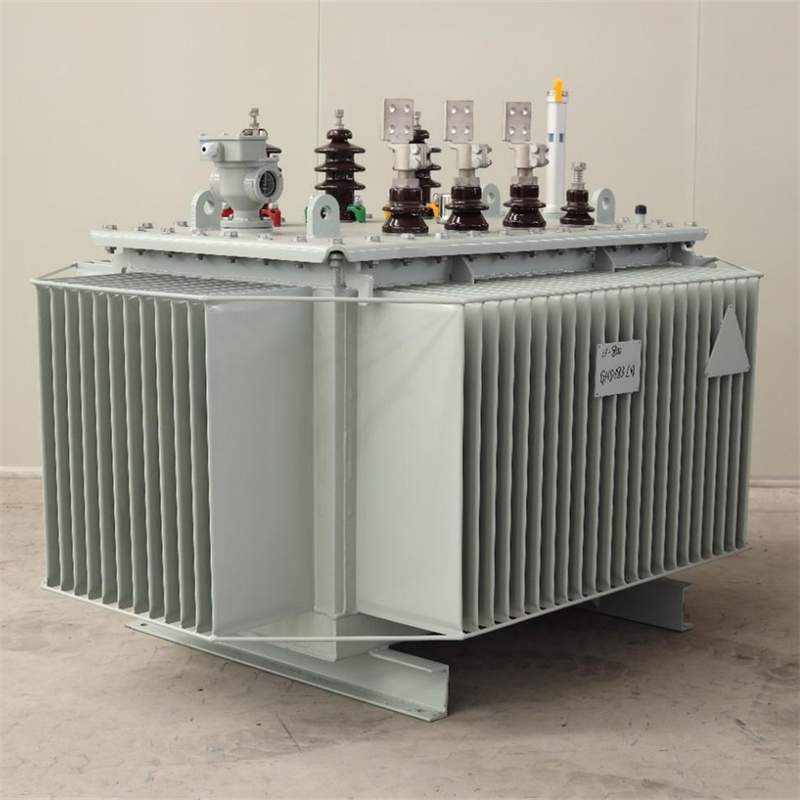
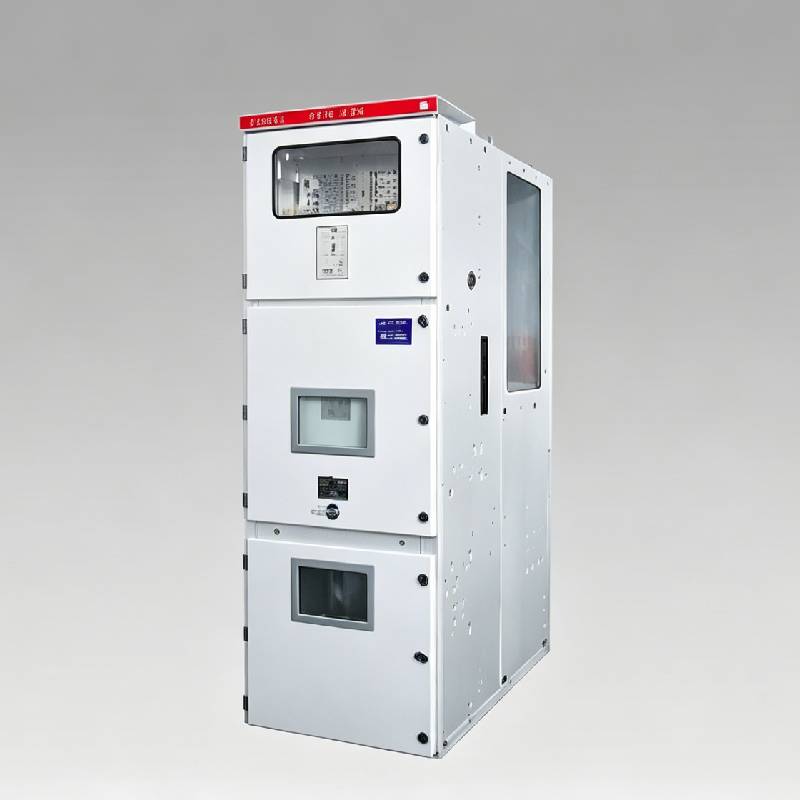
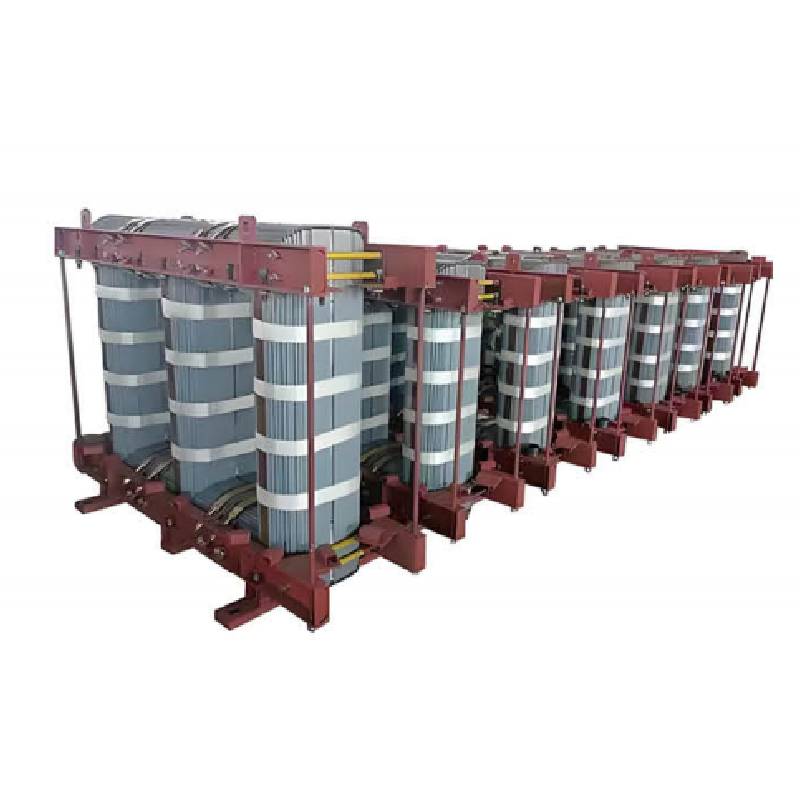
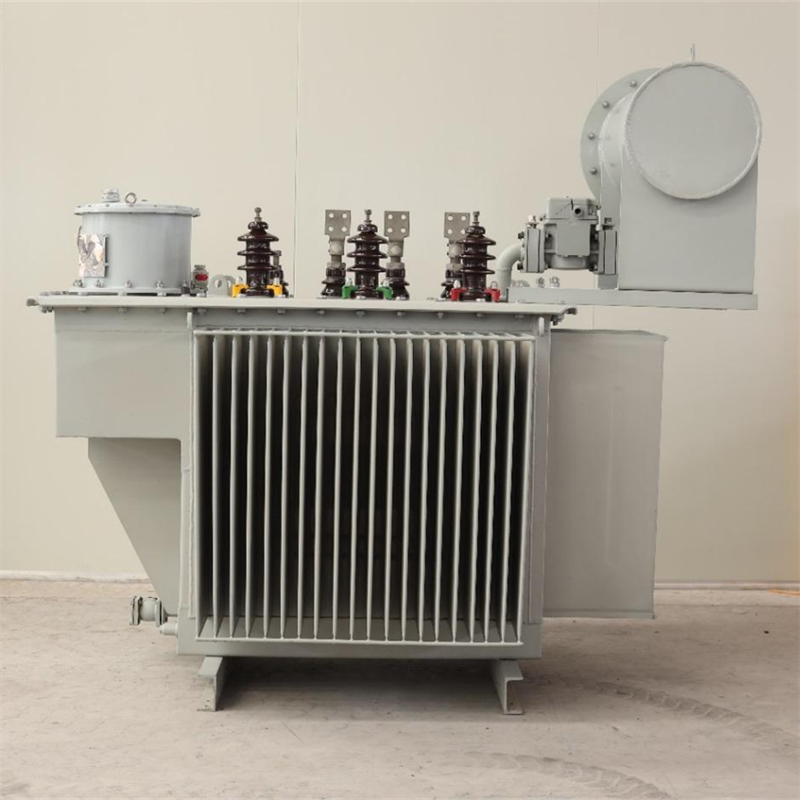
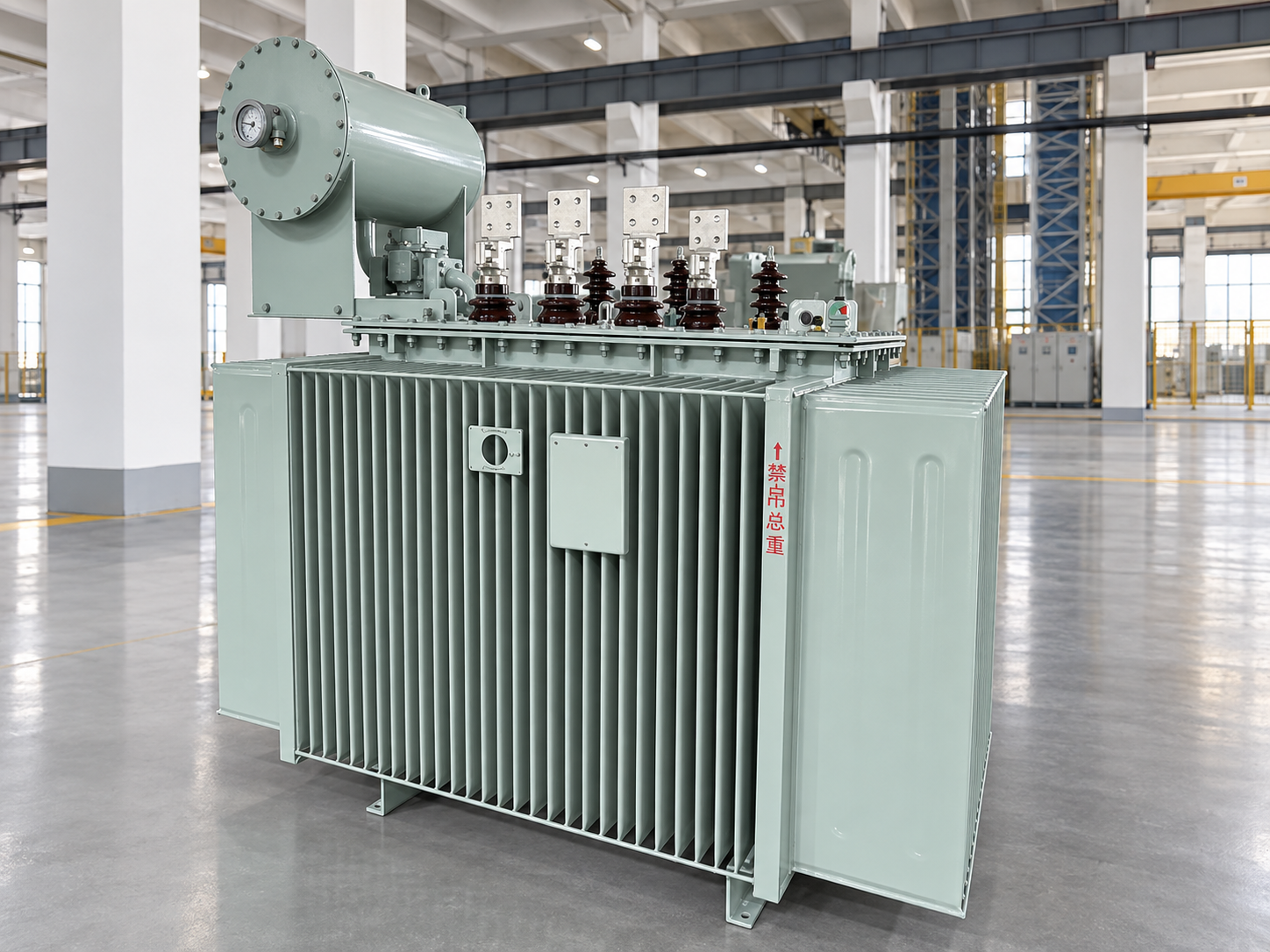
Generator Neutral Grounding Transformer Specifications

application/generator-neutral-grounding-transformer, application/generator-neutral-grounding-transformer, 
Inquiry
application/generator-neutral-grounding-transformer, application/generator-neutral-grounding-transformer, 
Inquiry

generator neutral grounding transformer

A generator neutral grounding transformer (GNGT) is a critical component  in electrical systems, ensuring  safe operation by managing fault  conditions and  stabilizing system voltages. For  B2B  buyers,  such as purchasing  managers and engineers, understanding the specifications, costs, and installation  requirements of these  transformers is essential. This  article will delve  into  key aspects  of generator  neutral grounding  transformers to help you  make  informed  purchasing  decisions.

How to Choose the Right Generator Neutral Grounding Transformer

How to Choose the Right Generator Neutral Grounding Transformer

Choosing the  right generator  neutral grounding transformer involves evaluating several factors:

Application  Needs: Identify the specific requirements of your power system. For  example, a utility application may have  different grounding needs  compared to a  commercial application. For more information on different transformer types, you might consider the Oil Immersed Transformer 66kV 10000kVA.

System Configuration: Consider  the existing electrical layout. For instance, if the system is ungrounded, a GNGT with a specific impedance may be necessary to limit fault currents effectively.

Customization Options: Look for manufacturers like Bardeen Equipment Co.,  Ltd. that offer customization capabilities. This  could include specific voltage ratings, KVA ratings, or specialized connections to suit unique operational requirements.

Quality and Certification: Ensure that the transformer meets industry standards, such  as IEC certification. This  guarantees reliability and performance in  critical applications.


Lead Time and  Availability: Assess production capacity and lead times from potential suppliers. A manufacturer with ample  capacity and a track record of timely delivery can help prevent project delays.


By thoroughly evaluating  these factors, you can select a GNGT that meets both  operational  and budgetary constraints.

Cost Factors for Purchasing Generator Neutral Grounding Transformers

Cost Factors for Purchasing Generator Neutral Grounding Transformers

The cost of a generator neutral grounding transformer can vary significantly based on several factors:


Specifications:  Higher voltage  and KVA ratings typically result  in increased costs.  Custom  designs or specialized features will also add  to the base price.

Materials Used: The type of core material (silicon steel versus amorphous steel) and winding materials (copper versus aluminum) can influence costs. Copper,  while more expensive, often offers improved performance and  longevity.


Manufacturing Process:  The complexity of the manufacturing  process and the quality control measures implemented  can affect pricing. Manufacturers  with robust quality management systems may charge more but provide greater reliability.

Customization:  Custom-built transformers tailored to specific applications will generally cost more than standard models due  to the additional engineering and design work involved.

Volume Discounts: If you are purchasing  transformers in bulk, many manufacturers offer tiered pricing structures  that can lower the per-unit cost.

Understanding these cost factors will aid in budget planning and help you evaluate quotes from different suppliers  effectively.

 
Installation Guidance for Generator Neutral Grounding Transformers

Installation Guidance for Generator Neutral Grounding Transformers

Proper installation of generator neutral grounding  transformers is crucial for optimal performance and safety:

Site Preparation: Ensure that the installation  site has adequate space and is free from potential  obstructions. Consider environmental factors such  as humidity, temperature, and exposure to corrosive  elements.

Electrical Connections: Follow the  manufacturer's guidelines for wiring and  connections. Incorrect  wiring can lead to transformer failure or safety  hazards. Utilize qualified professionals for the installation process.

Grounding Requirements: Implement proper  grounding practices  to ensure safety and compliance with electrical codes. The  grounding  system should be designed to handle the fault currents expected in the system.

Testing Post-Installation: After  installation, conduct thorough testing  to confirm the GNGT operates as intended.  This includes checking for correct voltage levels, impedance, and functionality during  simulated fault conditions.

Maintenance  Plan: Establish a maintenance  schedule to inspect and service the transformer regularly. Regular checks will help identify potential  issues before they lead to failures.

Following these guidelines will help ensure that your generator neutral grounding transformer operates effectively and safely.

Technical Insights into Generator Neutral Grounding Transformers Materials

The materials used in generator neutral grounding transformers significantly influence their performance  and longevity:

Core Materials: Most GNGTs  use silicon steel for the core  due to its excellent magnetic properties and efficiency.  Amorphous steel can be used for higher efficiency and reduced losses, which can be beneficial in applications where energy efficiency is critical.


Winding Materials: Copper  is  often preferred for  windings due to its superior conductivity, but aluminum is  a lighter  and more cost-effective alternative. While aluminum can perform  adequately in many applications, copper typically provides  better performance, particularly in high-temperature or high-load scenarios.

Insulation Systems: The insulation material affects the transformer's  durability and operational safety. High-quality insulation systems can withstand higher temperatures and provide better resistance to moisture and  environmental factors.

Surface  Treatments: Consideration of surface treatments  for  protection against corrosion is important, especially in harsh environments. Coatings can be applied to enhance durability and extend the lifespan of the transformer.

Understanding these material choices allows buyers to select a generator neutral grounding transformer that not only  fits their technical requirements but  also offers durability  and reliability in its intended application.

Understanding Generator Neutral Grounding Transformer Specifications

Generator neutral grounding transformers serve  several key functions, including providing a path for fault currents, enabling system protection, and enhancing operational safety. Key specifications to consider include:

Voltage Rating: The  GNGT  should match the generator’s voltage output. Common  ratings include 480V,  600V, and 13.8kV,  but custom ratings  may be available based on  the specific application.

KVA Rating: This reflects the  transformer's  capacity  to handle load. Selecting a transformer  with  the appropriate KVA rating is  crucial  as an  undersized transformer may lead to overheating  and failure during fault conditions.

Impedance: This specification affects the current  limiting and can reduce the fault current to manageable levels. Typically, impedances range from 5% to 10%, but specific applications may require customization.

Connections: GNGTs can come with delta or wye connections. The choice between these configurations impacts fault detection and system behavior, particularly in ungrounded systems.

Cooling Method: Transformers can be air-cooled or liquid-cooled. The choice depends on the installation environment and thermal  management requirements.

Understanding these specifications allows B2B buyers to assess compatibility with existing  systems and ensure optimal performance.

Get a Free Quote

Our representative will contact you soon.
0/1000