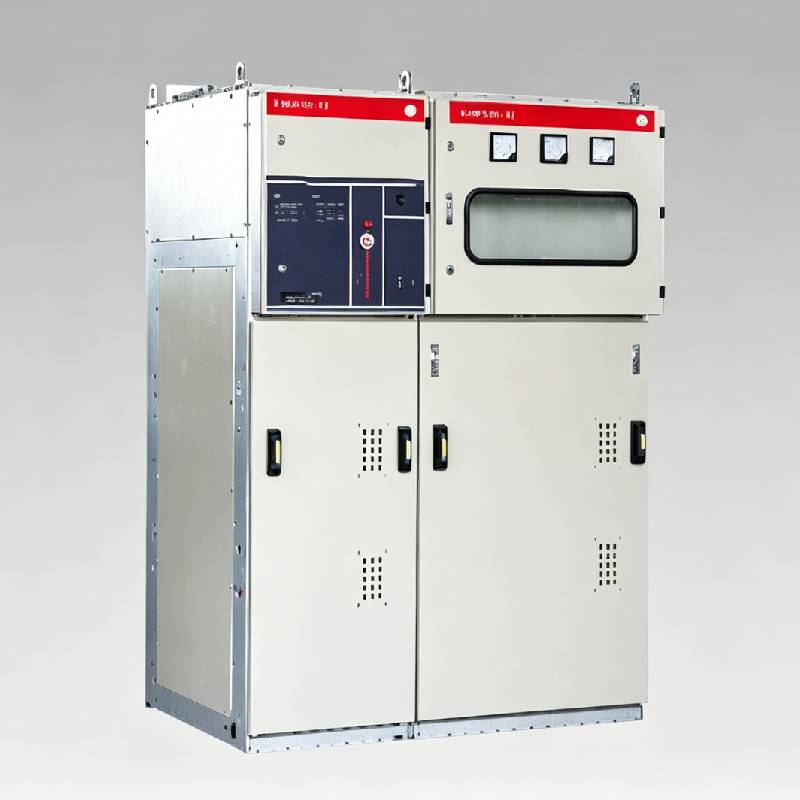
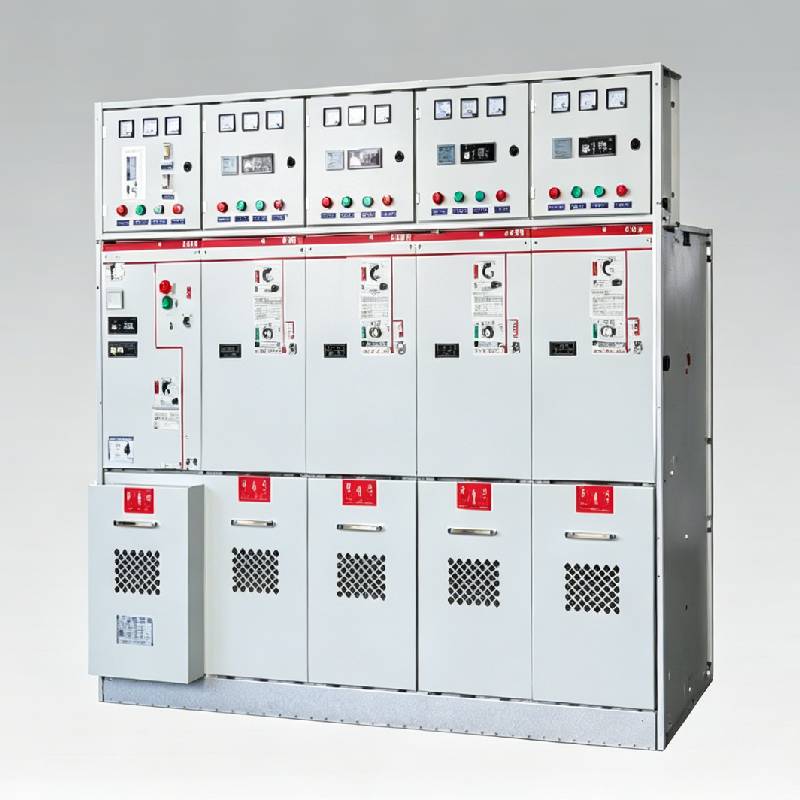
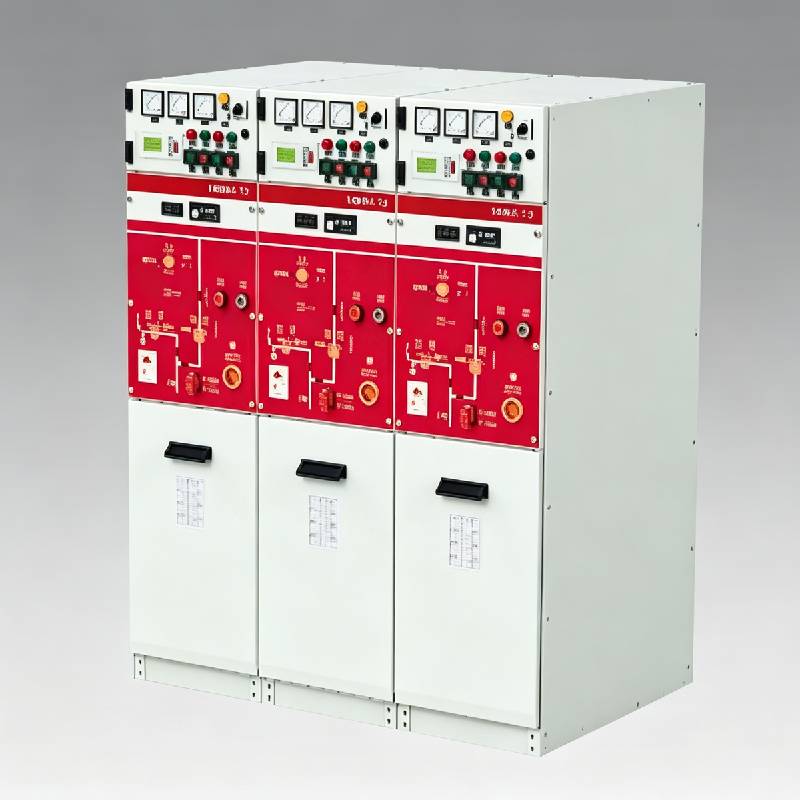
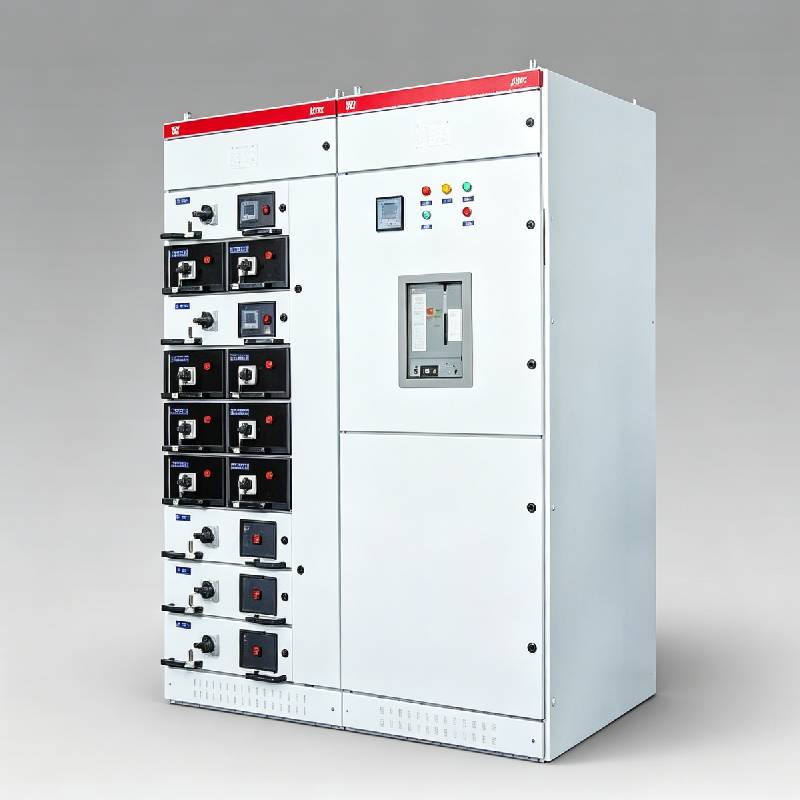
Grounding Transformers: Key Specifications & Sourcing

application/grounding-transformers, application/grounding-transformers, 
Inquiry
application/grounding-transformers, application/grounding-transformers, 
Inquiry

grounding transformers

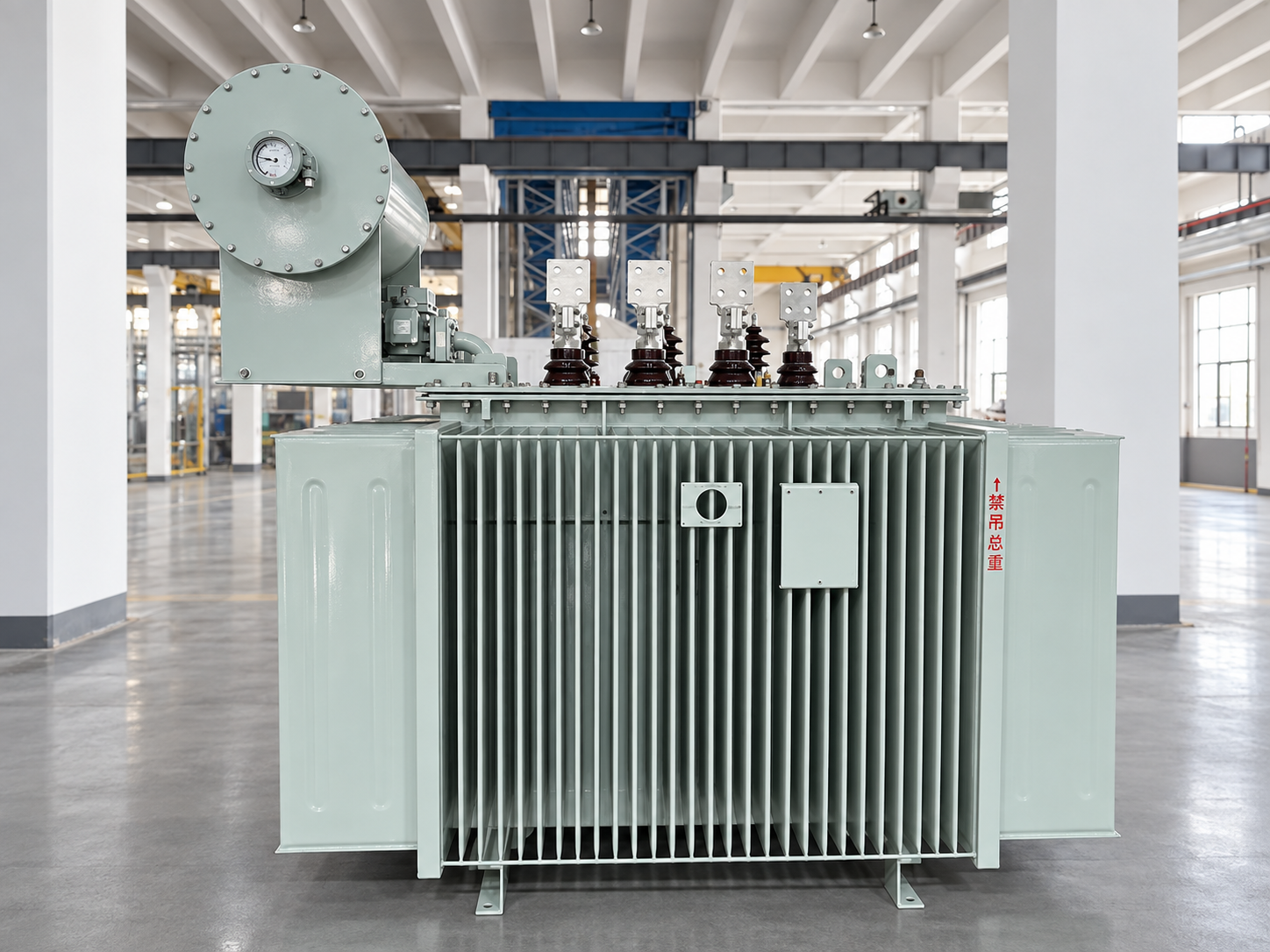
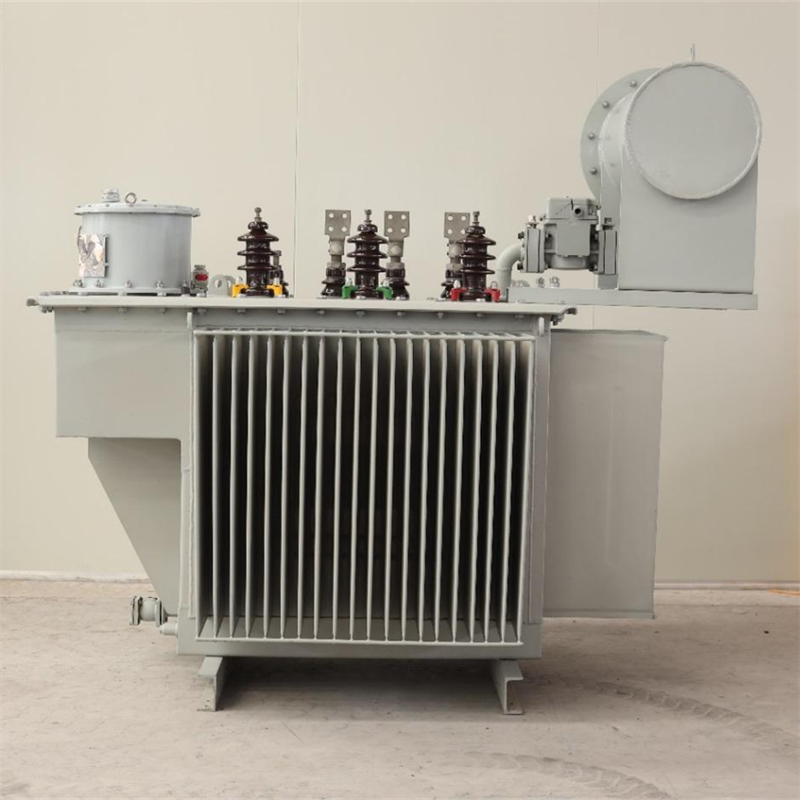
Understanding grounding  transformers is  essential  for professionals in  the manufacturing and electrical  distribution sectors. These devices play a  crucial role in protecting electrical  systems by providing a stable ground reference  and limiting fault currents.  As a B2B buyer,  you  may be concerned  about product  specifications,  installation challenges, and cost factors  when sourcing  grounding transformers. This article will provide you with comprehensive  insights into selecting the right grounding transformers, common installation  issues,  cost considerations, and the  benefits of high-quality materials.

Where to Source Reliable Grounding Transformers for Bulk Orders

Where to Source Reliable Grounding Transformers for Bulk Orders

Sourcing reliable grounding transformers for bulk orders requires careful supplier evaluation. Look for manufacturers with a proven track record in  producing high-quality transformers, such as  Bardeen Equipment Co., Ltd., which specializes in IEC-certified transformers. Ensure the supplier offers customization options  to meet  specific project  requirements.

When evaluating potential  suppliers, consider their production capacity  and lead times. A  reliable supplier should be able to provide detailed information about their manufacturing processes,  quality control measures, and past project experiences.  Additionally,  review their certifications and  compliance with industry standards, as these factors contribute to the  reliability and safety of the transformers.

To streamline  the sourcing process, prepare  a detailed request for quotation (RFQ) that includes specifications such as voltage rating, power  capacity,  quantity, and any customization needs.  This will help suppliers provide accurate pricing and lead  time estimates.

Common Installation Issues with Grounding Transformers and Solutions

Common Installation Issues with Grounding Transformers and Solutions

Installation of  grounding  transformers can present several challenges. One common issue is inadequate grounding connections, which can lead to system instability  and safety risks. To  mitigate this, ensure  that all grounding connections are secure and compliant with local electrical  codes.

Another challenge is  the physical space required for installation. Grounding transformers can be bulky, and insufficient space can complicate installation.  Engage with the supplier  during  the planning phase to discuss  layout requirements and potential  modifications to existing  infrastructure. If you're considering a more compact solution, the Oil Immersed Transformer 6-10kV 1250kVA might be a suitable option.

Additionally,  integrating  the  grounding transformer with existing systems can present compatibility issues.  Perform thorough compatibility assessments,  including reviewing existing system configurations and ensuring that the grounding transformer’s  specifications align with  those of other equipment.

Understanding Cost Factors for Wholesale Grounding Transformers

Understanding Cost Factors for Wholesale Grounding Transformers

When it  comes to pricing, several factors influence  the  cost of grounding transformers. Material selection plays a significant role; for example,  high-grade copper windings  typically increase costs but offer better conductivity and durability.  

Customization also affects pricing. If your project requires  unique  specifications or features, such as  specific insulation types or dimensions, the price may rise accordingly.  Be clear  about your requirements when requesting quotes to ensure accurate pricing.

Additionally,  consider  the production volume. Manufacturers often provide discounts for  bulk orders, which can significantly reduce the cost per unit. However, be  mindful of the minimum order quantities (MOQ) that some  suppliers impose, as this can impact your overall budget.

Lastly, factor in shipping and handling costs. Depending on the location and the weight  of the transformers, these  costs can  add to the  total price. It’s advisable to discuss logistics with your supplier to identify the most  cost-effective shipping options.

The Advantages of Using High-Quality Materials in Grounding Transformers

Investing in grounding transformers made from  high-quality materials  yields  several advantages. First, high-quality materials enhance the durability and reliability of the transformer. For instance, using premium-grade  steel for the core minimizes losses and improves efficiency, which is especially important in commercial and industrial applications  where operational costs are closely  monitored.

Second, high-quality insulation  materials can significantly  enhance the transformer's thermal performance and lifespan. This is particularly critical in high-demand environments where heat generation can be an issue.

Moreover, transformers constructed with  superior materials typically  exhibit better performance under fault conditions, thus providing enhanced safety and protection for your electrical systems. It’s essential to verify  the material specifications  with the manufacturer to ensure that  the transformers will meet your operational demands.

Understanding grounding transformers involves  knowing their specifications, sourcing  reliable suppliers,  addressing installation issues, considering cost factors, and  recognizing the benefits of high-quality materials. By focusing on  these critical areas, purchasing managers and engineers can make informed decisions that enhance  the safety  and efficiency of their electrical systems.

Key Specifications to Consider When Choosing Grounding Transformers

When evaluating grounding transformers, several key specifications should be carefully considered. First, voltage rating is crucial; it  must match  the system voltage to ensure safe operation. Grounding transformers typically come in various configurations,  including zigzag and wye. The choice between these  configurations affects how the transformer handles unbalanced loads and fault conditions.

Power rating  is another vital specification.  It indicates the maximum load the transformer can  support and should  align with your system's requirements. Additionally, insulation class is  important for ensuring that  the transformer can withstand environmental conditions such as temperature  and moisture. For instance, a  transformer rated  for a higher  insulation class can better endure  harsh industrial environments. You may want to consider the Oil Immersed Transformer 66kV 10000kVA for specific applications.

Another consideration is the  short-circuit withstand strength, which measures the transformer's  ability to withstand fault currents without damage. This is particularly important in  applications where electrical faults are likely.

Get a Free Quote

Our representative will contact you soon.
0/1000