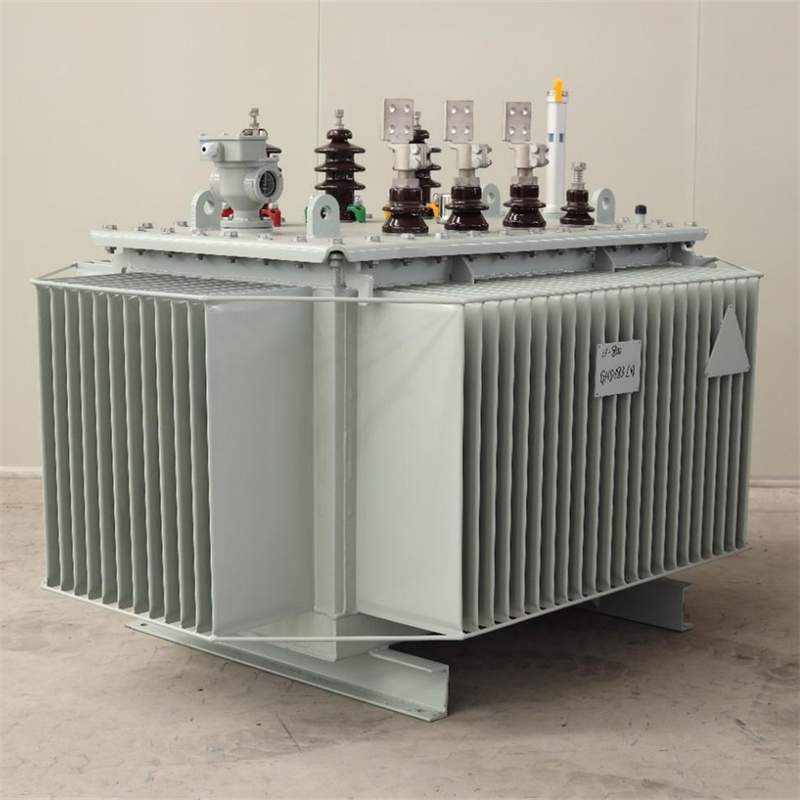
Choosing Neutral Earthing Resistor Transformers

application/neutral-earthing-resistor-transformer, application/neutral-earthing-resistor-transformer, 
Inquiry
application/neutral-earthing-resistor-transformer, application/neutral-earthing-resistor-transformer, 
Inquiry

neutral earthing resistor transformer

Neutral  earthing resistor transformers play a critical  role in ensuring the safety and  reliability of electrical systems. These specialized  transformers help  manage fault currents and maintain system stability, making them  essential for various industrial applications. For B2B buyers, understanding how to select and evaluate these  transformers can significantly impact  operational  safety  and  efficiency. This article will guide purchasing managers, engineers,  and other professionals  through  the  key considerations when choosing  a neutral  earthing resistor transformer, ensuring they  make informed decisions  tailored to their specific needs.

 
What to Look for in Neutral Earthing Resistor Transformers

What to Look for in Neutral Earthing Resistor Transformers

When evaluating  neutral earthing  resistor transformers, focus on key specifications that directly impact performance.

Power Rating: Determine the necessary power rating based on load requirements. The transformer should handle expected fault currents without  overheating.

Impedance: The impedance level affects the fault current limiting capability. Higher impedance results in lower fault  currents,  which can be crucial for  protecting sensitive equipment.

Thermal Performance: Review the thermal capabilities of the transformer. Transformers should be capable  of dissipating  heat generated during operation, maintaining optimal functionality.

Material Quality: Ensure that the materials used,  such as copper for windings and high-grade steel  for core construction, are suitable for your operational environment. High-quality  materials enhance  durability and reliability.

Certification: Verify that the transformer complies with relevant international  standards, such as IEC certifications,  to ensure safety and reliability.

By focusing on these specifications, buyers can make informed  decisions  that support  the  long-term operational integrity  of their  electrical systems.

Essential Guidelines

Essential Guidelines

Here are some essential guidelines that can facilitate a  smooth procurement process for  neutral  earthing resistor transformers:

Request Detailed Specifications: When contacting suppliers, provide detailed specifications, including voltage ratings, power  requirements,  and any  specific industry standards your application must  meet.

Check for Customization Capabilities:  Confirm if the manufacturer can accommodate custom designs or features to meet unique  project requirements.

Sample  Evaluation:  Before placing a  large order, request a sample  unit to evaluate performance under actual operating conditions. This step can help identify any potential issues early in the process.

Quality Assurance Processes: Inquire about  the manufacturer's quality control processes.  A robust quality assurance system can significantly reduce the risk of defects.

Lead  Time and MOQ: Understand the lead  times and  minimum order quantities (MOQ) required by the manufacturer.  This information is essential for project planning and  budgeting.

Common Problems with Neutral Earthing Resistor Transformers and Solutions

Common Problems with Neutral Earthing Resistor Transformers and Solutions

Despite  their importance, neutral earthing resistor transformers can encounter  several  common issues that may affect performance:


Overheating: Transformers can overheat if  they are not rated properly for the application. To mitigate this risk, ensure that the  thermal performance specifications match the expected load conditions.

Corrosion:  Exposure to harsh environmental conditions can lead to corrosion of  transformer components. Select transformers with protective coatings or materials resistant to the specific environmental factors present at the installation site.

Fault Current Mismanagement: Incorrect impedance settings can result in  inadequate fault current  management.  Regularly review and adjust settings according to system changes  to ensure optimal  performance.

Installation  Errors: Improper  installation can lead to  operational issues. Collaborate with experienced technicians during  installation  to ensure compliance with best practices.

Addressing these issues proactively  can enhance the longevity and  reliability of your neutral earthing resistor transformer.

Applications of Neutral Earthing Resistor Transformers in Industrial Settings

Neutral earthing resistor transformers find  applications across various  industrial sectors, each benefiting from their  ability to  enhance system safety and performance:

Power Generation: In  power plants, these  transformers help manage fault currents, contributing to the safety of electrical equipment and personnel.

Renewable Energy Storage: As renewable energy sources such as  wind and solar become more prevalent, neutral earthing  resistor transformers play a crucial role in integrating these  systems  into the  grid safely.

Commercial Projects:  In commercial buildings, these transformers help maintain system  stability and protect sensitive electronic equipment from electrical faults.

Manufacturing Facilities: In manufacturing  settings, where  equipment reliability is paramount, these transformers help safeguard against potential electrical failures,  ensuring uninterrupted operations.

By understanding the specific applications  of neutral  earthing resistor transformers, buyers can better appreciate their value and significance in their  respective industries, allowing for  more strategic purchasing decisions.

How to Choose the Right Neutral Earthing Resistor Transformer for Your Projec

Selecting the appropriate neutral earthing resistor transformer involves several factors that align with your project requirements. First, evaluate the system voltage and current ratings to  ensure compatibility  with your electrical setup.  Transformers are typically rated for specific voltages, such as  the IEC-certified  220kV transformers manufactured by  Bardeen Equipment Co., Ltd., which are designed for high-voltage applications. For more information on high-voltage transformers, visit our page on 110kV/220kV.

Next, consider the type of earthing system  in use—solid,  resistance,  or reactance—as this will influence the transformer design. For  instance, a neutral  earthing resistor transformer designed for a solidly grounded system will differ from one intended for a resistance-grounded  system. Additionally, assess the environmental conditions where  the  transformer will be  installed, such as temperature,  humidity, and exposure to corrosive elements, which may  dictate the  materials used in construction.

Lastly, customization options can enhance transformer functionality. Discuss  potential modifications with your supplier to ensure the transformer meets your precise  requirements.

Get a Free Quote

Our representative will contact you soon.
0/1000