Choosing the Right Primary Winding for Transformers

application/primary-winding, application/primary-winding, 
Inquiry
Inquiry

primary winding

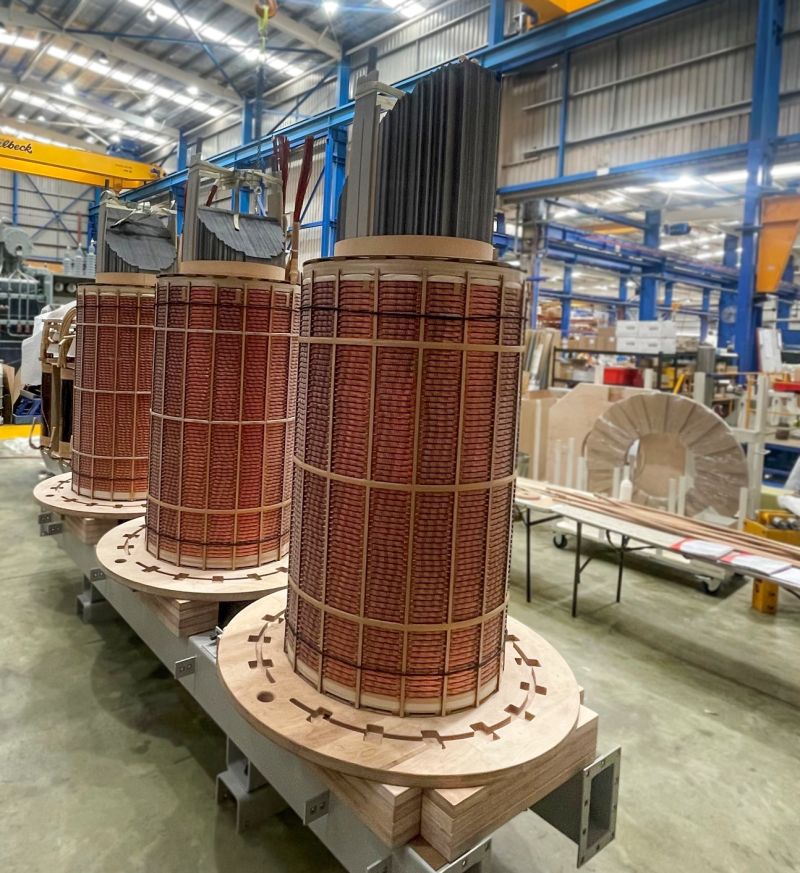
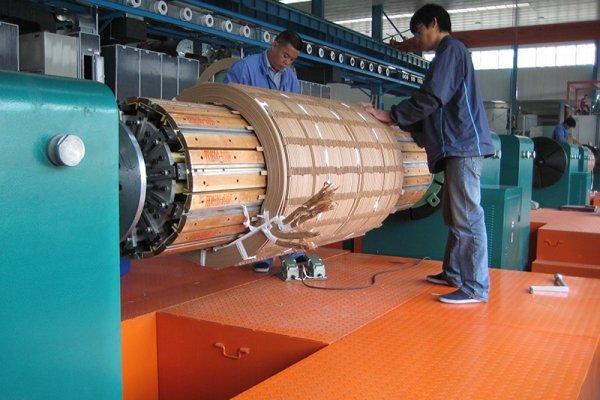
When it comes to transformers and substations, the primary winding plays  a crucial role  in ensuring efficient  energy transfer and system  reliability. As a key component, the primary winding is responsible for converting  electrical energy from the supply into  magnetic energy, which is then transformed  into  usable electrical energy for various applications. B2B buyers, such as purchasing  managers, engineers,  and product  managers, often face  challenges  in selecting  the right  primary  winding  for their specific needs.  This article aims to clarify these challenges  and provide insights into how  to choose the right primary winding, specifications to consider, quality standards, cost factors, and application scenarios.

Key Specifications to Consider for Primary Winding Products

Key Specifications to Consider for Primary Winding Products

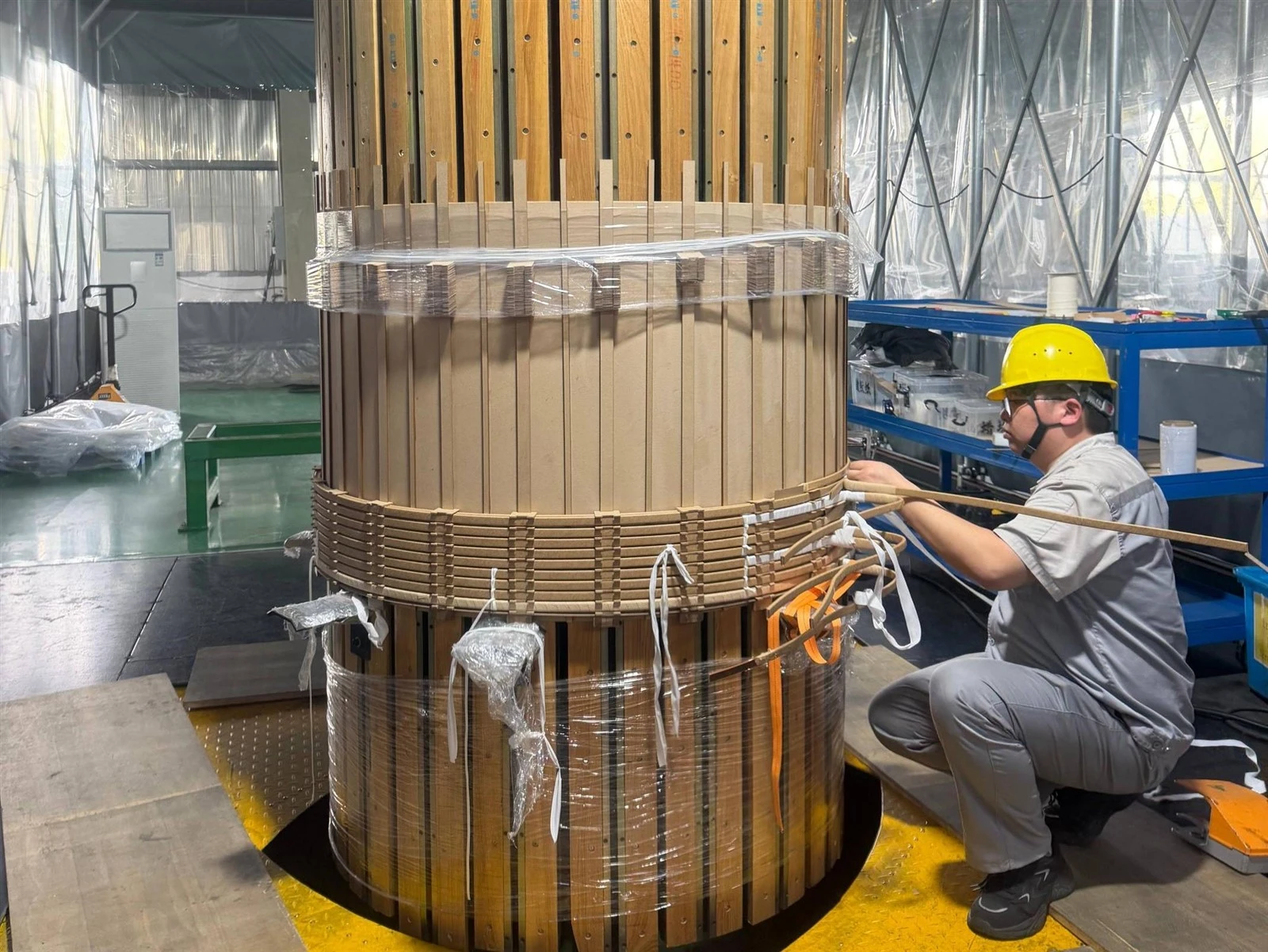
When evaluating primary winding products, several key specifications should be taken into account:

Wire Gauge: The thickness of the wire  affects current  capacity and resistance. A larger gauge can handle  more current but may also increase weight and  cost.


Insulation Class: The insulation material and its temperature rating are  critical for determining the winding's reliability and performance. Higher insulation  classes (e.g., Class H) are suitable for applications with  extreme heat.

Turns Ratio: This specification defines  the relationship between the primary and secondary windings. It is crucial for determining the  voltage transformation and should match the system  requirements.


Winding Arrangement:  Different arrangements like layered,  concentric, or  helical can impact the transformer's efficiency and electromagnetic performance.

Temperature Rise: Understanding how much heat the winding  can tolerate during  operation is vital for ensuring longevity and preventing damage.

Buyers should request  detailed  specifications from manufacturers and  verify them against their application needs to ensure optimal performance.

Evaluating Quality Standards in Primary Winding Manufacturing

Evaluating Quality Standards in Primary Winding Manufacturing

Quality  standards are crucial in the manufacturing of  primary windings. Buyers should look for compliance with  international standards such as IEC (International Electrotechnical Commission) and ISO  (International Organization for Standardization). These standards  help ensure that the products  meet stringent safety and  performance requirements.

It's  also  essential to inquire about  the manufacturer's quality control  processes. This includes  how they  monitor production, conduct testing, and manage material sourcing. For instance, Bardeen Equipment  Co., Ltd. utilizes  rigorous testing protocols during  the production of their IEC-certified transformers,  ensuring that each winding meets required performance metrics before shipment. Buyers interested in encapsulated options might also explore the EPOXY-500A Encapsulated Transformer for their applications.

Additionally, buyers should consider requesting  certificates of conformity and inspection reports to verify  that the primary windings adhere to specified standards  and are free from defects.

Cost Factors When Sourcing Primary Winding Solutions in Bulk

Cost Factors When Sourcing Primary Winding Solutions in Bulk

When sourcing primary windings in bulk,  several cost factors come into play that  buyers must consider.  The  most significant factor is the material cost, particularly the type  of wire used. Copper windings, while more efficient, typically  incur higher costs than aluminum.

Another factor is the complexity of the winding design. Customizations—such as specific insulation requirements or unique configurations—can lead to increased production costs. Buyers should evaluate  their needs carefully to  balance between necessary specifications and budget constraints.

Furthermore, lead times can impact costs. Longer lead times may necessitate higher prices due to expedited  manufacturing or shipping. Establishing a clear timeline and discussing it with the manufacturer can help manage costs effectively.

Lastly,  consider the total cost of ownership, which includes not  just  the  purchase price  but also maintenance, operational efficiency, and  potential  downtime.  Investing in  higher-quality primary  windings may lead to long-term savings by reducing failure rates and maintenance  needs.

Application Scenarios for Primary Windings in Various Industries

Primary windings  find applications across  diverse industries, each with unique requirements. In  the  power generation sector, they are crucial in transformers that manage electrical flow from generation stations to distribution networks. These windings must handle high voltages and maintain efficiency  under varying load conditions.

In renewable energy,  such as solar or  wind power, primary windings are integral to inverters that convert DC to AC power. The specifications for these windings  must accommodate fluctuations in power input and output, making reliability  a top priority.

In  commercial projects, such as large buildings or industrial facilities, primary windings  are used in step-down transformers to manage the supply voltage for various  electrical systems. Here, considerations for space,  weight, and installation ease  become  significant.

In summary,  understanding the diverse applications of primary windings  helps buyers tailor their  specifications  to meet industry demands effectively. Engaging with  experienced manufacturers can provide insights into the best practices and solutions for their specific applications.

How to Choose the Right Primary Winding for Your Application

Selecting the  appropriate primary winding begins with  understanding the power requirements and the specific application. Buyers should consider factors such  as voltage ratings, current  capacity, and the operational environment. The winding must be compatible with  the transformer design and  rated for the operational voltage to ensure safety  and efficiency. 

Additionally, it’s essential to evaluate the material used  for the windings, which typically includes  copper or aluminum. Copper  windings are favored for their superior conductivity and lower resistive losses, but they can be more expensive. Aluminum, while less conductive, offers  a  cost-effective alternative with a lower  weight, making it suitable for various applications. Those looking for high-capacity options might consider the Oil Immersed Transformer 66kV 20000kVA for their needs.

Buyers should also  assess the winding configuration. Options include single-phase or  three-phase windings, which will depend on the intended system architecture. Consulting with manufacturers like Bardeen Equipment Co.,  Ltd. can help ensure that  the chosen winding meets both technical  specifications and  application requirements.

Get a Free Quote

Our representative will contact you soon.
0/1000