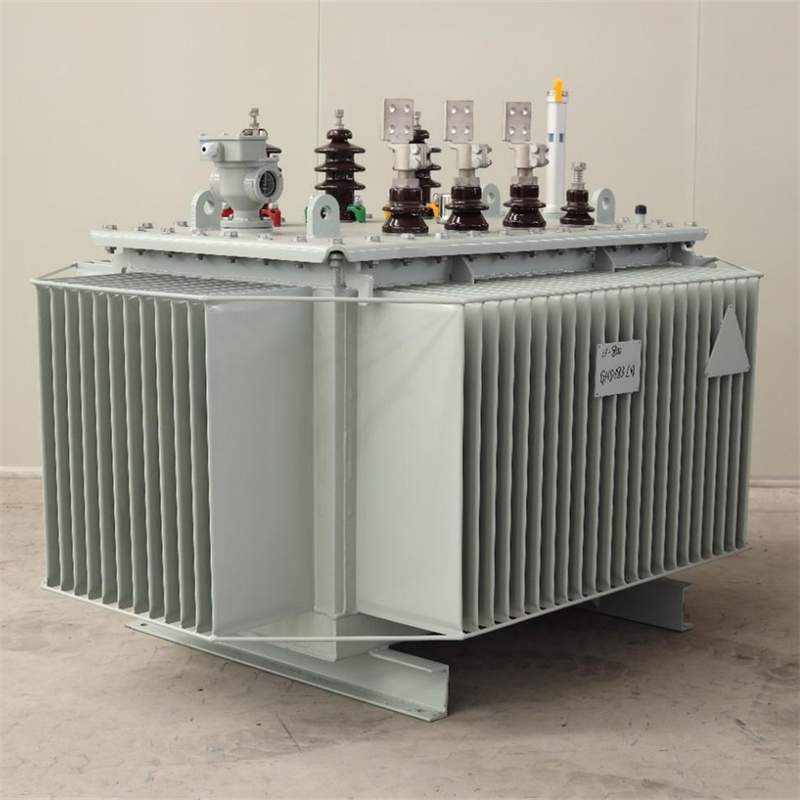
Key Quality Indicators for Reliable UPS Transformers

application/ups-transformer, application/ups-transformer, 
Inquiry
Inquiry

Ups transformer

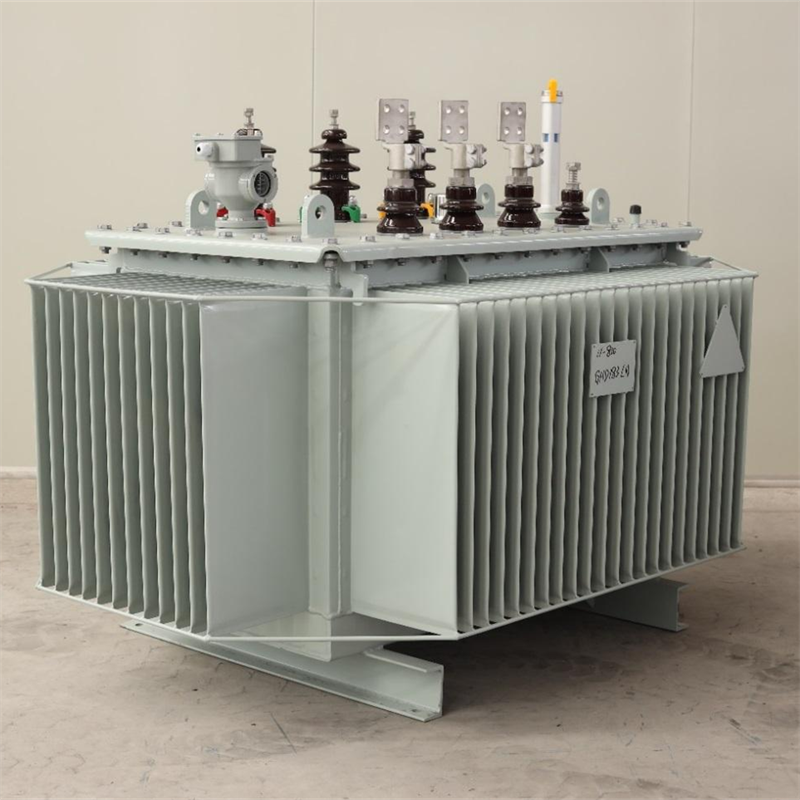
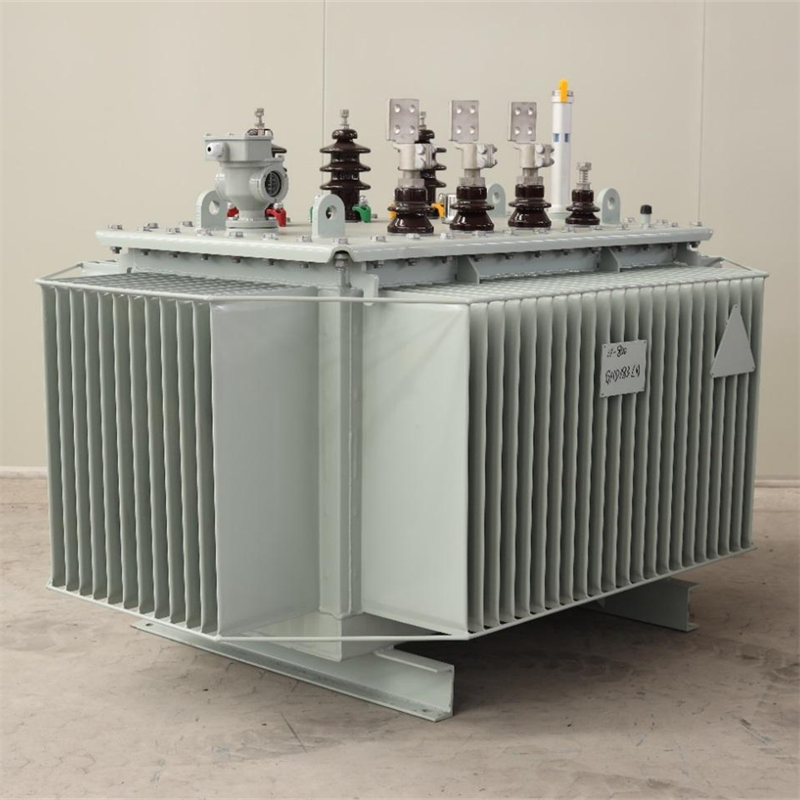
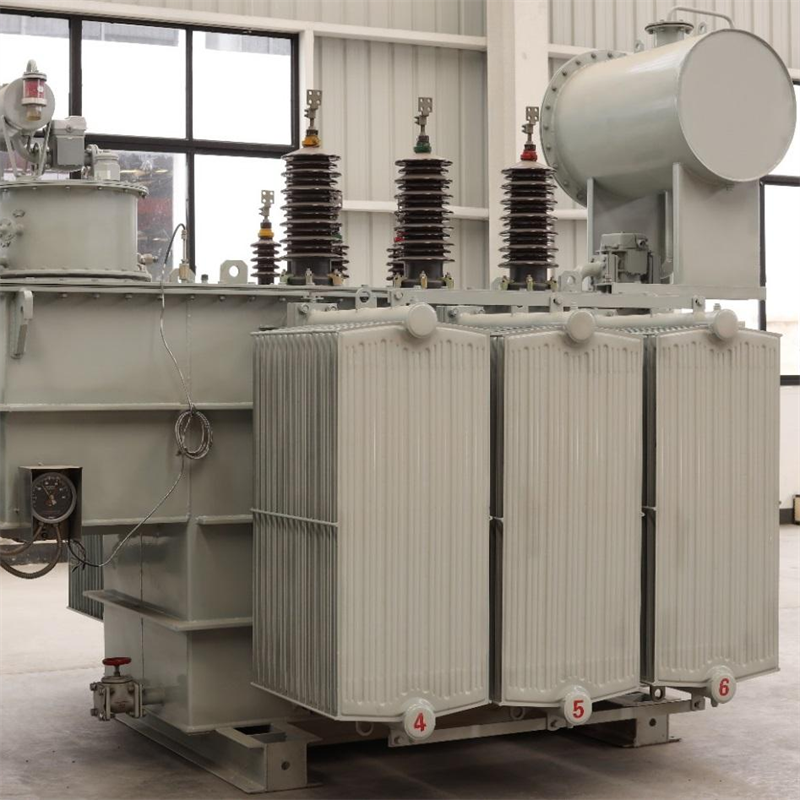
When it comes to power distribution and management, UPS transformers play a crucial role in ensuring that electrical systems operate efficiently and reliably. These UPS transformers are designed to provide uninterruptible power supply (UPS) solutions by converting and regulating voltage to protect sensitive equipment from fluctuations and outages. For B2B buyers, understanding the key quality indicators, potential installation challenges, and options available in the market is essential to make informed purchasing decisions at Bading. 

Common Installation Challenges with UPS Transformers and Solutions

Installing UPS transformers can present several challenges that require careful planning and execution. 

Space Constraints: Often, the physical footprint of UPS transformers can be larger than anticipated. It's essential to assess the installation site beforehand and ensure adequate space for the transformer, including ventilation requirements.  

Connection Issues: Ensuring that the electrical connections are secure and correctly configured is crucial. Misconnections can lead to failures or inefficient operation. Conduct thorough testing of connections during installation. 

Load Balancing: Improper load distribution can lead to transformer overheating. Therefore, it is essential to balance loads effectively across all phases, which may require additional equipment like phase monitors. 

Environmental Factors: Bading UPS transformers are vulnerable to environmental conditions such as moisture and dust. Install them in controlled environments or consider protective enclosures to maintain performance.  

Compliance with Regulations: Ensure that the installation adheres to local electrical codes and regulations. This may involve consulting with a qualified electrical engineer to ensure compliance and safety. 

Comparing UPS Transformer Options for Optimal Performance

When choosing a UPS transformer, it is essential to compare various options based on specific criteria:  

Type of Transformer: There are different types of UPS 1000 kva transformer, such as isolation UPS transformers, autotransformers, and dry-type transformers. Each type has its advantages depending on the application. 

Power Rating: Evaluate the power rating based on your equipment's requirements. Consider future expansion plans and select a transformer that can accommodate additional loads. 

Customization Options: Many manufacturers, including Bading, offer customization options to tailor UPS transformers to specific operational needs. This could include modifications to voltage ratings, physical dimensions, or additional protective features. 

Warranty and Support: Evaluate the warranty provided by the manufacturer and the availability of technical support. A robust support system can significantly reduce downtime in case of issues. 

Cost vs. Value: While it's tempting to choose the lowest-priced option, consider the long-term value, including efficiency, durability, and operational costs. A higher initial investment from Bading might save money in the long run through reduced energy costs and maintenance. 

Technical Support and Customization for UPS Transformer Buyers

Purchasing a UPS transformer is not just about selecting a model; it also involves understanding the technical support and customization options available. 

Custom Specifications: Discuss your specific needs with the manufacturer like Bading. Custom specifications can include unique voltage ratings, size adaptations, or even specific materials that can enhance performance in your environment. 

Technical Documentation: Ensure that you receive comprehensive technical documentation, including installation guides, maintenance instructions, and performance specifications. This information is crucial for your engineering team to optimize the installation and operation. 

Post-Purchase Support: Reliable manufacturers like Bading will provide ongoing support, including troubleshooting assistance and maintenance services. Establish a clear communication channel for any future queries or issues. 

Field Testing: Request field testing services to ensure that the transformer operates as expected under real conditions. This step can help identify potential issues before full-scale deployment. 

Wholesale Buying Tips for UPS Transformers from Manufacturers

When considering wholesale purchases, keep the following tips in mind to ensure a smooth buying process:

Bulk Pricing: Inquire about bulk pricing structures. Many manufacturers, including Bading provide significant discounts for larger orders, which can lead to substantial cost savings.  

MOQ (Minimum Order Quantity): Understand the MOQ set by the manufacturer. This will help you gauge how many units you need to order to meet purchasing requirements and avoid excess inventory. 

Lead Times: Discuss lead times for production and delivery. Knowing the timeline helps in project planning and ensures that you can meet your operational deadlines. 

Quality Assurance Processes: Ask about the quality control measures in place at the manufacturing facility. This can include both pre-production and post-production testing to ensure that all units meet the specified standards. 

Shipping and Handling: Clarify the shipping and handling processes, including packaging methods that protect the UPS transformers during transit. Proper packaging reduces the risk of damage and ensures that the UPS transformers arrive ready for installation. 

By understanding these facets of UPS transformers, buyers can make informed decisions that align with their operational needs and budget constraints. With the right knowledge and preparation, purchasing UPS transformer for power can lead to enhanced power reliability, improved efficiency, and ultimately, greater operational success. 

Key Quality Indicators for Reliable UPS Transformers

When evaluating UPS transformers, several quality indicators should be prioritized to ensure reliability and performance. 

Efficiency Ratings: Look for UPS transformers with high efficiency ratings, typically above 95%. This ensures minimal energy loss during operation and reduces operational costs. 

Voltage Regulation: A good UPS power transformer should maintain steady voltage levels despite fluctuations in the supply.  This feature is critical for protecting sensitive electronic equipment. 

Load Capacity: Ensure that the transformer has the appropriate load capacity to handle peak demands in your operations.  This prevents overheating and potential equipment failure. 

Thermal Management: Effective thermal management systems are vital. UPS Transformers that incorporate cooling systems or are designed to dissipate heat efficiently will have a longer operational life. 

Certifications: Verify that the transformer meets international standards such as IEC certification, which indicates that it has passed rigorous testing for safety and performance. 

Get a Free Quote

Our representative will contact you soon.
0/1000

Related product categories