Choosing the Right Transformer for Power Applications

application/transformer-for-power, application/transformer-for-power, 
Inquiry
application/transformer-for-power, application/transformer-for-power, 
Inquiry

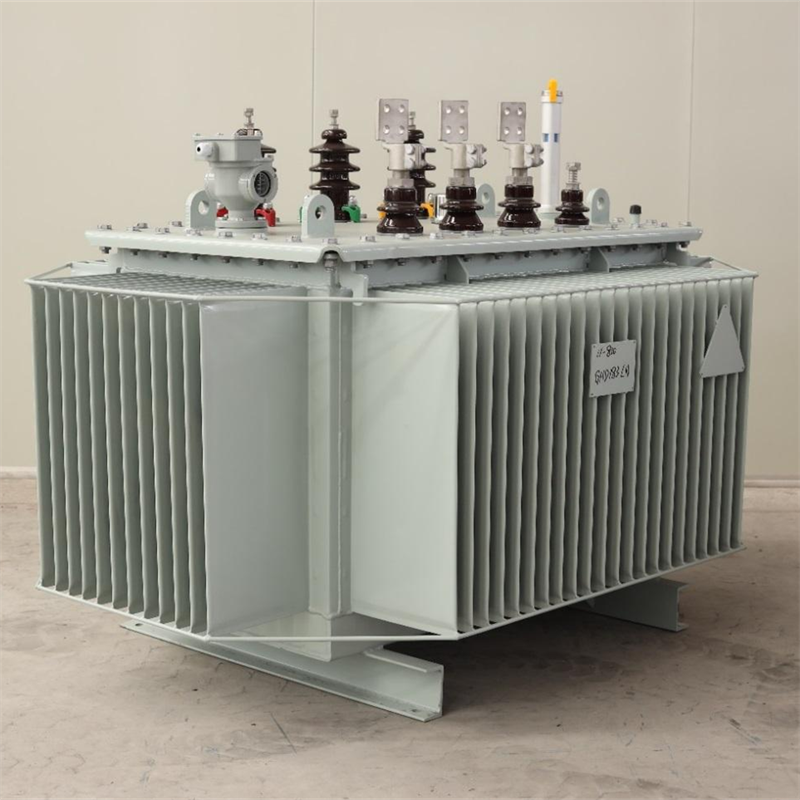
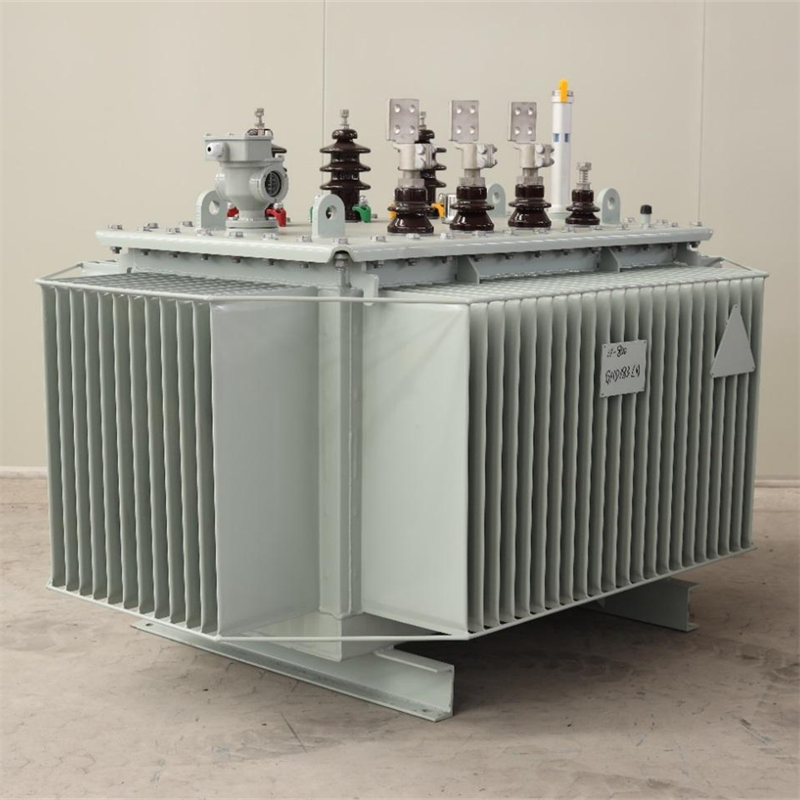
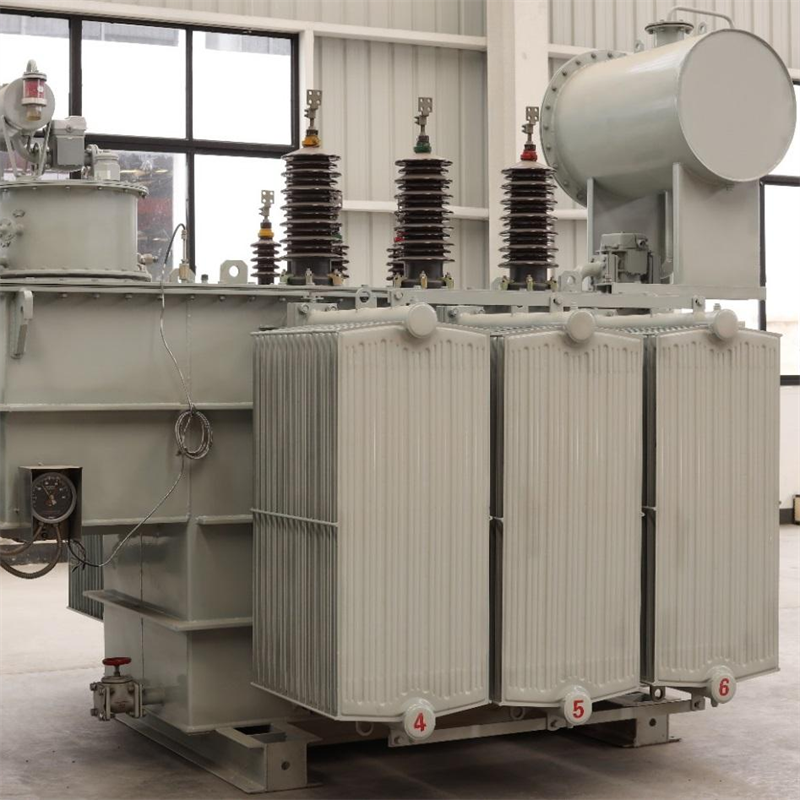
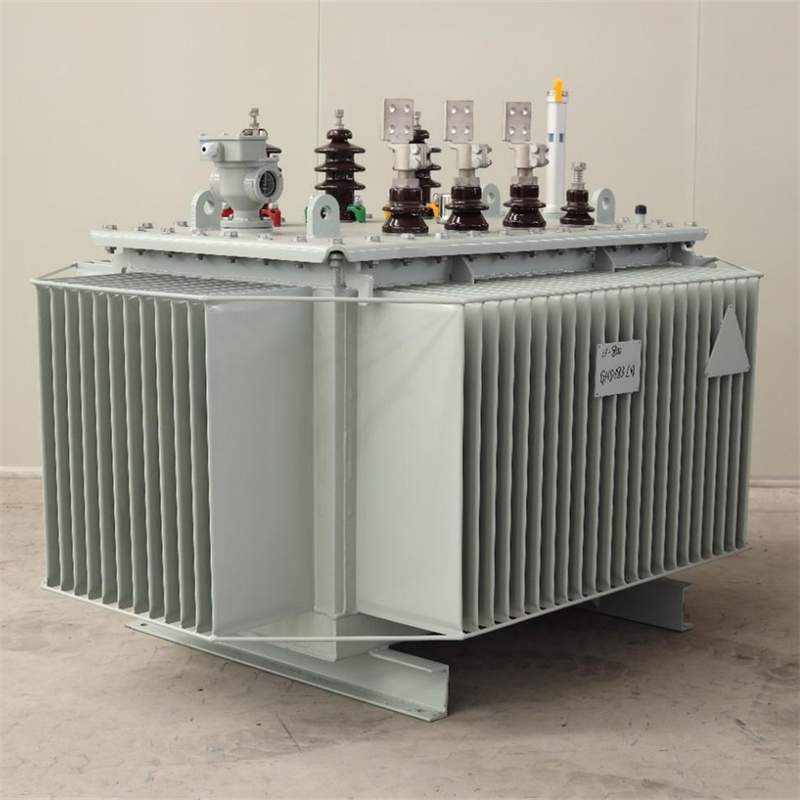
Transformer for power

Understanding the intricacies of selecting a Bading transformer for power applications is crucial for any business involved in energy management or electrical infrastructure. Power transformers play a vital role in electricity distribution, ensuring that voltage levels are suitable for commercial and industrial use. However, the purchasing process can be overwhelming due to varying specifications, customization options, and quality control considerations. This article aims to guide B2B buyers through the essential factors to consider when choosing an Oil‑Immersed Transformers for power applications, helping you make informed decisions that align with your operational needs. 

What Buyers Should Know

When approaching the purchase of a Bading transformer for power applications, buyers should be aware of several critical aspects: 

Specifications and Compliance: Verify that the transformer for power complies with relevant industry standards and certifications.  This ensures that it meets safety and performance requirements, reducing the risk of operational  disruptions. 

Customization Options: Many manufacturers, including Bardeen Equipment Co., Ltd., offer customization to meet specific project requirements. This can include modifications to size, materials, and performance characteristics.  

Lead Times and Production Capacity: Understand the manufacturer’s production capabilities and lead times. This knowledge helps you plan your project timeline effectively. 

Quality Control Processes: Inquire about the manufacturer's quality assurance measures. Regular testing and compliance checks during production are vital for ensuring reliability. 

By gathering this information before making a purchase, you can avoid common pitfalls and ensure that your transformer for power meets your project's demands. 

How to Compare Transformers for Bulk Order Decisions

When comparing transformers for bulk orders, focus on several key areas that can impact both performance and cost: 

Performance Specifications: Assess the technical specifications of each transformer for power. Key metrics include efficiency ratings, load capacities, and operational temperature ranges.  

Pricing Structure: Understand the pricing model of each supplier. Some manufacturers may offer lower unit prices but higher shipping or customization costs that could affect your overall budget. 

Supplier Reliability: Evaluate the manufacturer's reputation and experience in the industry. Reliable suppliers often have a proven track record of delivering quality products on time. 

Post-Purchase Support: Consider the level of technical support and warranty options provided. A manufacturer that offers comprehensive support can be invaluable for troubleshooting and maintenance. 

By systematically comparing these factors, you can make a more informed decision that aligns with your organization's budget and operational needs. 

Understanding the Cost Factors of Power Transformers

The cost of power transformers can vary significantly based on multiple factors. Understanding these elements can help you budget more effectively: 

Specifications and Materials: Higher-rated Pad Mount Transformers that use premium materials will typically cost more. For example, transformers that use advanced insulation materials may have a higher upfront cost but offer longer lifespans and improved reliability. 

Customization: Customized transformers are often more expensive due to the additional engineering and manufacturing processes involved. Be clear about your requirements to avoid unnecessary costs. 

Shipping and Handling: Large transformers can incur substantial shipping fees, particularly if they require special handling or transportation methods. Ensure that you factor these costs into your total budget. 

Installation Costs: Consider whether the transformer will require specialized installation services, which can add to the overall cost. 

By being aware of these cost factors, you can better manage your budget and avoid unexpected expenses during the purchasing process. 

Benefits of Customization in Power Transformer Manufacturing

Customization plays a vital role in ensuring that transformers meet specific application requirements. Here are several key benefits: 

Tailored Performance: Custom transformers can be designed to meet unique voltage, capacity, and environmental needs, ensuring optimal performance in your specific application. 

Enhanced Efficiency: A transformer that is specifically designed for your operational parameters can minimize energy losses, leading to lower operational costs. 

Compliance with Local Standards: Customized Bading transformer for power can be manufactured to comply with local regulations and standards, ensuring that your equipment meets all necessary legal requirements. 

Improved Longevity: Customization allows for the selection of materials and features that enhance durability, reducing maintenance needs and extending the lifespan of the transformer for power. 

By opting for customization, businesses can achieve a better fit for their operational requirements, leading to improved efficiency and reliability in power distribution. 

understanding the complexities of transformers for power applications is essential for making informed purchasing decisions. By considering specifications, customization options, and cost factors, you can select the right transformer for power to support your business's operational needs effectively. Trust on our brand. 

Choosing the Right Transformer for Power Applications

Selecting the appropriate transformer for power applications involves understanding the specific requirements of your project. Key factors include voltage rating, capacity, and application type. For instance, IEC-certified transformers, like those produced by Bardeen Equipment Co., Ltd., can handle up to 220kV, making them suitable for high-demand power grids and renewable energy storage solutions. 

Consider the following specifications when choosing a transformer for power: 

Voltage Rating: Ensure the transformer for power can handle the operating voltage of your application without overheating or failing.

 Capacity: The transformer for power should be rated for the expected load. Overloading can lead to inefficiency and potential damage.

 Cooling Method: Transformers can be air-cooled or oil-cooled, impacting their efficiency and placement within your facility. 

Installation Environment: Evaluate whether the transformer will be used indoors or outdoors, as this will influence its design and protective features. 

By understanding these factors, you can better align your Single‑phase Distribution Transformer choice with your operational needs, ensuring reliability and efficiency.

Frequently Asked Questions

What types of transformers do you manufacture?

We manufacture power transformers up to 220kV, including distribution, power, and custom designs for grids, renewables, and commercial projects.
Yes. We offer tailored specifications, tap changers, cooling systems, and ratings to meet site requirements and project standards.
Yes. We produce IEC-certified transformers, including 220kV units, and ensure compliance with relevant international electrical standards.
We provide installation guidance, commissioning support, maintenance advice, testing procedures, and remote technical assistance as needed.
Yes. We supply and customize transformers and substations for renewable integration, storage systems, and grid connection applications.

Get a Free Quote

Our representative will contact you soon.
0/1000