Essential Guide to DC Power Transformers for Buyers

application/dc-power-transformer, application/dc-power-transformer, 
Inquiry
application/dc-power-transformer, application/dc-power-transformer, 
Inquiry

Dc power transformer

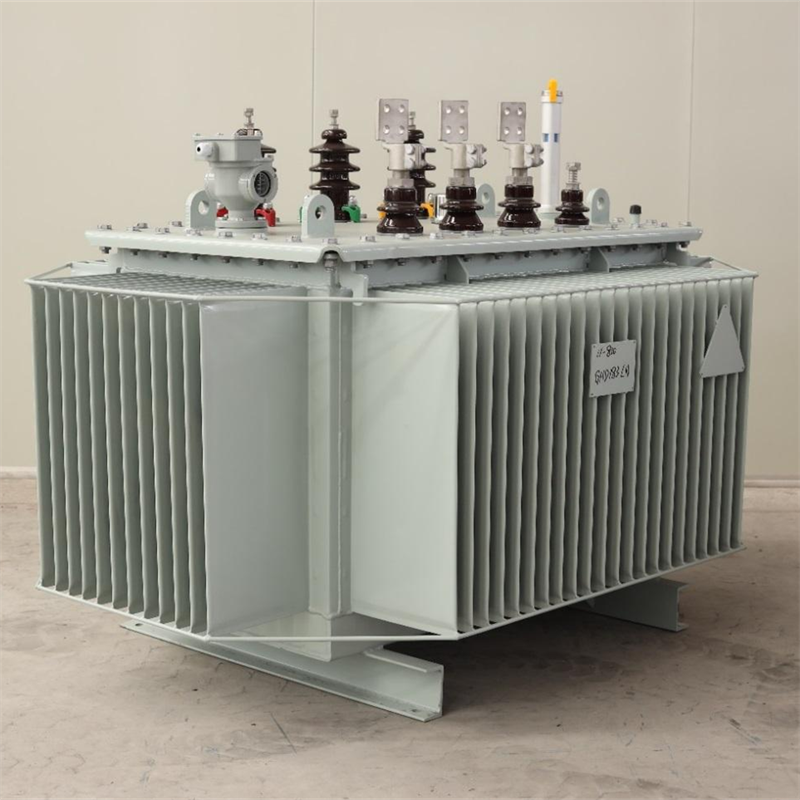
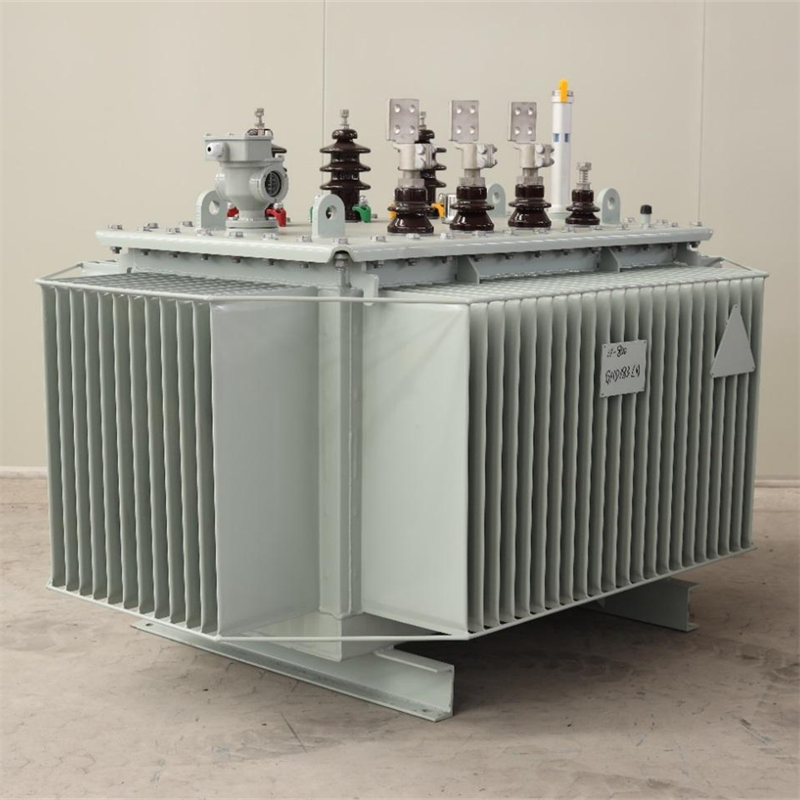
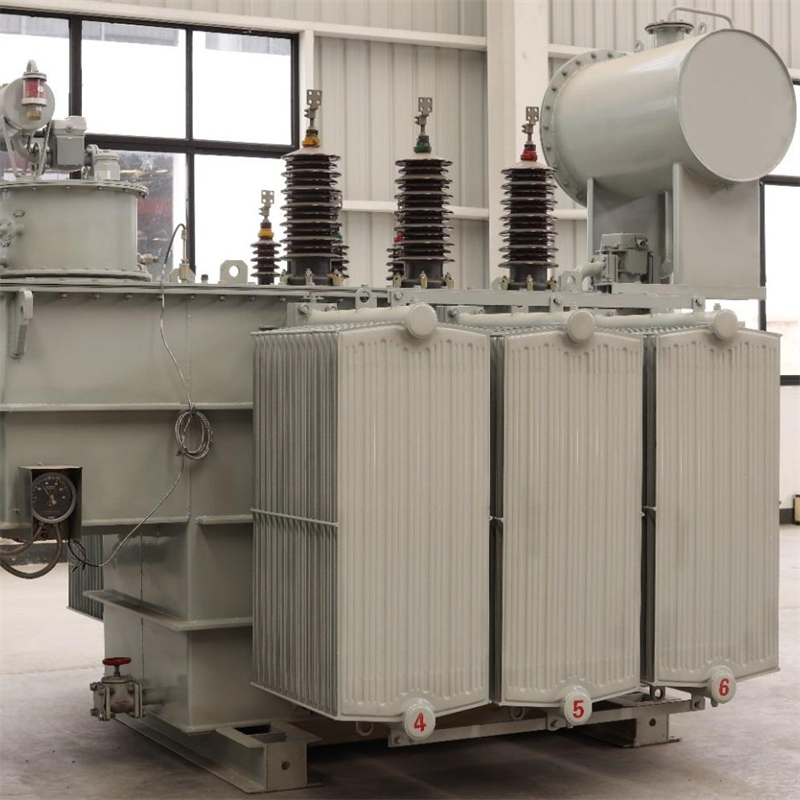
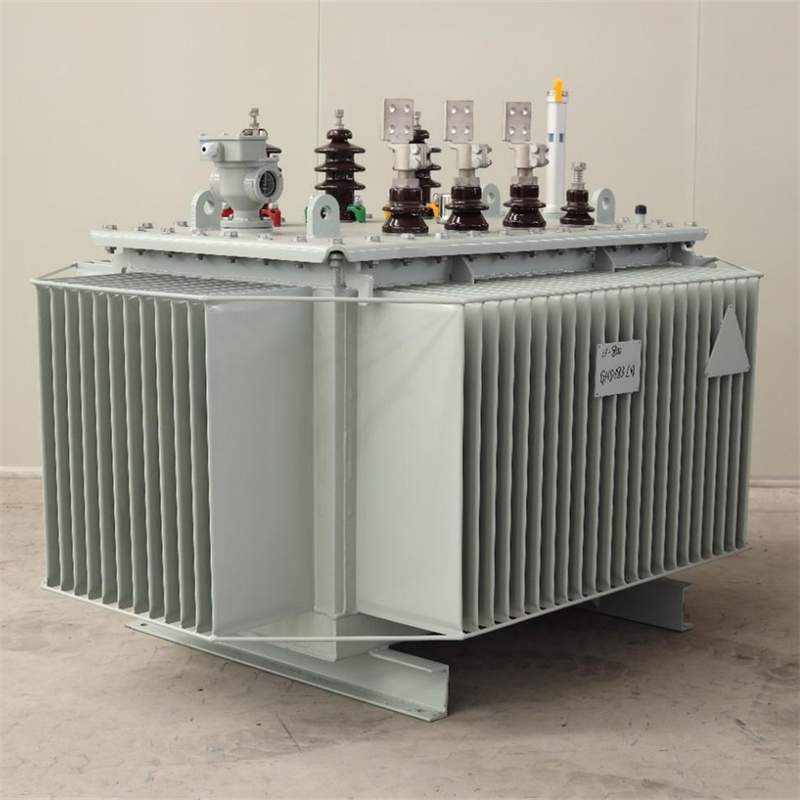
DC power transformers are critical components in electrical systems, designed to convert alternating current (AC) into direct current (DC) at various voltage levels. These power transformer are essential for applications in power grids, renewable energy storage, and commercial projects. For wholesale buyers, understanding the specifications, quality factors, and potential issues with DC power transformers is vital for making informed purchasing decisions, we will explore key aspects of DC power transformers to help you select the right product for your needs and ensure a successful procurement process.

How to Choose the Right DC Power Transformer for Your Projects

Selecting the right Bading DC power transformer involves several critical steps. First, identify your application requirements, including voltage and current specifications. Assess the operational environment—consider factors such as temperature, humidity, and potential exposure to contaminants that could affect transformer performance. 

Next, consult with manufacturers like Bardeen Equipment Co., Ltd., who can offer customization options tailored to your specific needs. For example, if your project involves renewable energy storage, you might require transformers that can handle variable loads and provide efficient energy conversion. 

When reviewing options, always request detailed technical documentation. This should include performance curves, installation guidelines, and maintenance instructions. A comprehensive understanding of these documents will help you make an informed decision and anticipate potential integration challenges. 

Finally, consider the total cost of ownership, including initial purchase price, installation costs, and long-term operational expenses. Sometimes, a slightly higher initial investment in a more efficient Pad Mount Transformers can yield significant savings over time through reduced energy costs and maintenance needs. 

Key Quality Factors to Evaluate in DC Power Transformers

Quality is paramount when selecting a DC power transformer. Here are some essential factors to consider: 

Material Quality: The materials used in the manufacturing of transformers affect their durability and efficiency. For example, high-grade silicon steel laminations improve magnetic performance and reduce energy losses. 

Manufacturing Standards: Ensure that the transformer is manufactured according to international standards such as IEC. This not only guarantees quality but also ensures reliability and safety during operation. 

Testing Protocols: Inquire about the testing procedures implemented by the manufacturer. Comprehensive testing at various stages of production, including dielectric tests, temperature rise tests, and load tests, can identify potential issues before deployment. 

Quality Control Processes: A robust quality control system ensures that each transformer meets specified standards. Ask for details on the manufacturer’s quality assurance certifications and processes. 

Warranty and Support: Evaluate the warranty terms and the level of technical support offered post-purchase. This is crucial for addressing any operational issues that may arise. 

By focusing on these quality factors, buyers can mitigate risks and ensure that the transformers they procure will perform reliably throughout their operational lifespan.

Common Problems with DC Power Transformers and Their Solutions

Several common issues can arise with Bading DC power transformers. Understanding these challenges can help buyers proactively address potential problems: 

Overheating: This can occur due to excessive load or inadequate cooling. To mitigate this, ensure the transformer is not overloaded and that the cooling system is functioning correctly. Regular maintenance checks can help identify issues early.   

Insulation Failure: Over time, insulation materials may degrade, leading to short circuits. Buyers should verify that the transformer uses high-quality, durable insulation materials and consider regular testing to assess insulation integrity. 

Harmonic Distortion: Non-linear loads can introduce harmonics, affecting transformer performance. Using filters or transformers specifically designed to handle harmonics can help alleviate this issue. 

Physical Damage: During transportation or installation, transformers can sustain physical damage. Proper handling and robust packaging solutions can prevent this. Additionally, conducting visual inspections upon receipt can help identify any issues before installation. 

By being aware of these common problems and their solutions, buyers can make informed decisions and ensure the long-term reliability of their DC power transformers.

Cost Considerations for DC Power Transformers in Bulk Purchases

When purchasing DC power transformers in bulk, several cost factors should be evaluated: 

Unit Price: The initial cost per unit will often decrease with larger orders. Therefore, negotiate pricing based on order volume to achieve better rates.  

Shipping and Handling: Consider the logistics of transporting transformers. Shipping costs can vary significantly based on weight, size, and destination. Discuss these factors with the manufacturer to understand the total delivery costs. 

Installation Costs: Factor in the costs associated with installation, including labor and any necessary infrastructure modifications. If specialized installation is required, this could significantly affect your overall budget. 

Maintenance and Operational Costs: Evaluate the expected lifespan and maintenance requirements of the transformers.  Investing in higher-quality transformers may result in lower maintenance costs and fewer operational disruptions over time. 

Financing Options: Some manufacturers may offer financing options for larger purchases, which can improve cash flow and facilitate project budgeting. 

By considering these factors, buyers can develop a comprehensive understanding of the total costs associated with purchasing DC power transformers in bulk, allowing for better financial planning and investment decisions.

Understanding DC Power Transformer Specifications for Wholesale Buyers

When evaluating Bading DC power transformers, buyers should focus on several key specifications that define the transformer’s performance and suitability for specific applications. 

Voltage Rating: This specification indicates the maximum voltage the transformer can handle. It’s crucial to match this with the voltage requirements of your application to ensure safe and efficient operation. 

Power Rating: Typically measured in kilovolt-amperes (kVA), this rating reflects the transformer's capacity to handle electrical load. Buyers should calculate the total load expected to ensure the transformer for power can accommodate it without overheating or failing. 

Efficiency: The efficiency rating of a transformer signifies how much input power is converted to output power. Higher efficiency translates to lower operational costs and less energy wasted as heat. 

Cooling Method: Different transformers employ various cooling methods, such as air, oil, or water cooling. The choice of cooling method affects installation requirements and maintenance needs. 

Isolation and Safety Ratings: Certifications such as IEC standards indicate the transformer’s compliance with international safety and quality guidelines. Buyers should ensure these ratings align with local regulations and operational safety standards. 

Understanding these specifications not only aids in selecting the right transformer but also assists in assessing compatibility with existing systems and infrastructure.

Frequently Asked Questions

What is a DC power transformer used for?

A DC power transformer conditions and stabilizes direct current for applications like renewable storage, industrial systems, and backup power, ensuring compatible voltage and safe operation.
Yes. We provide customized designs for voltage, current, size, cooling, and protection to meet project specifications for grids, storage, and commercial use.
Our manufacturing adheres to international standards; we produce IEC-certified high-voltage transformers and apply rigorous testing and quality control to DC units.
Yes. We offer pre-sales consultation, installation guidance, commissioning support, and after-sales technical assistance to ensure reliable operation.
Lead times depend on specifications and customization level. Typical delivery ranges from weeks for standard units to months for bespoke designs; contact us for a precise estimate.

Get a Free Quote

Our representative will contact you soon.
0/1000