Understanding 25 kVA Transformer Costs and Quality

application/25-kva-transformer-cost, application/25-kva-transformer-cost, 
Inquiry
application/25-kva-transformer-cost, application/25-kva-transformer-cost, 
Inquiry

25 kva transformer cost

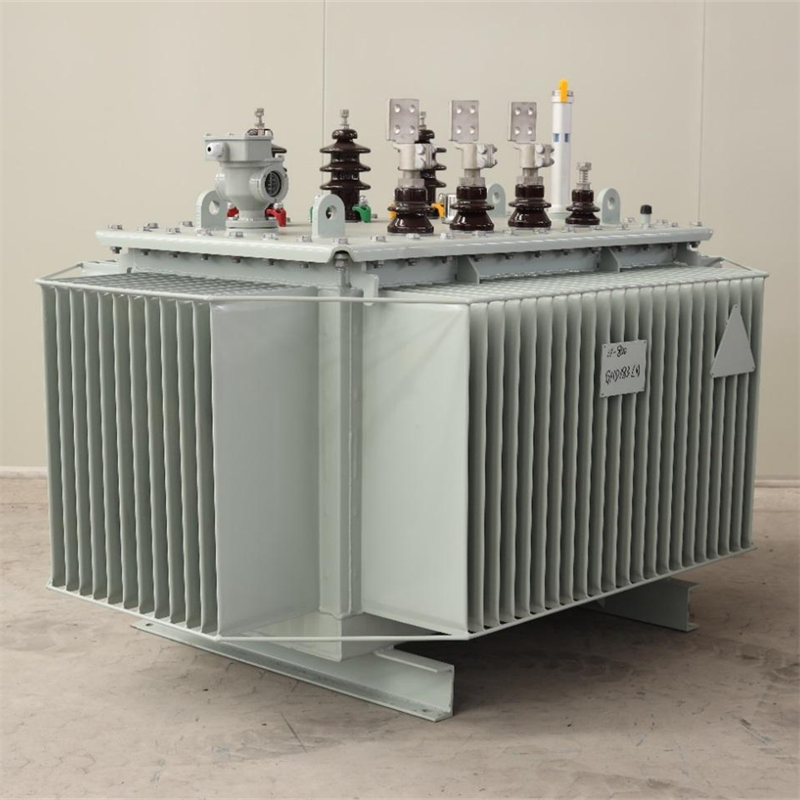
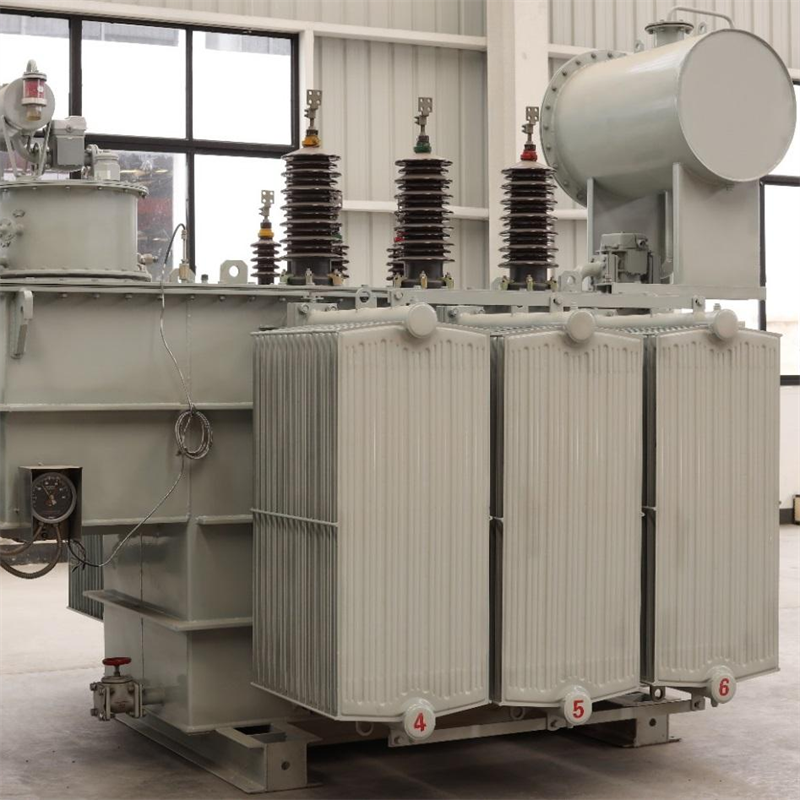
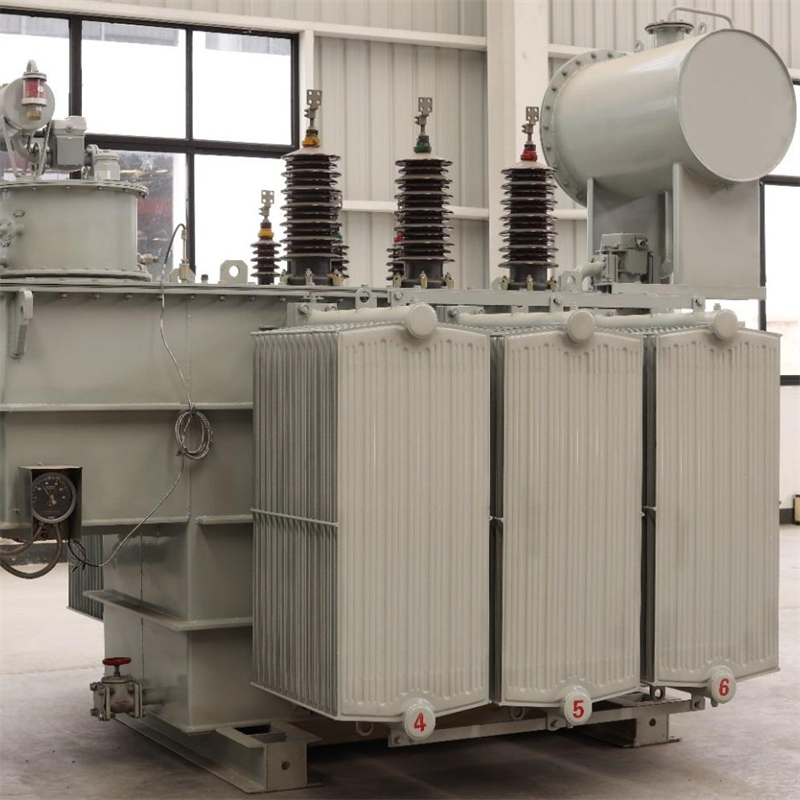
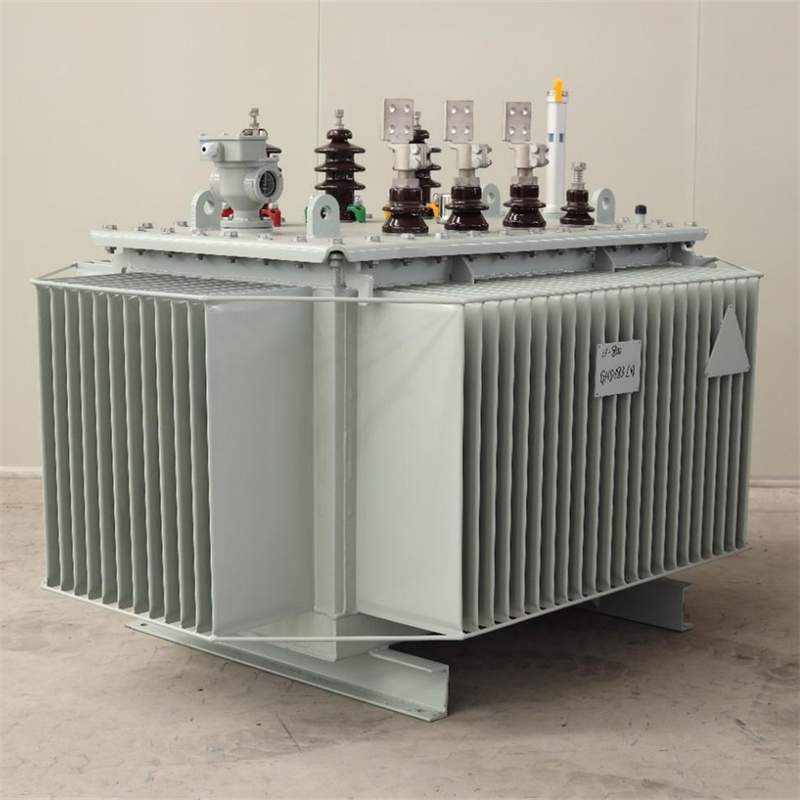
When considering the cost of a 25 kVA transformer, various factors come into play that significantly affect pricing and overall value. A 25 kVA transformer is essential for converting electrical energy from one voltage to another, making it a critical component in power distribution for commercial projects and renewable energy storage systems we’ll explore the key elements influencing 25 kVA power transformer costs, guiding purchasing managers, engineers, and other professionals in making informed decisions at Bading. 

Where to Find Reliable Suppliers for 25 kVA Transformers?

Finding reliable suppliers for 25 kVA transformers involves a few strategic steps: 

Industry Directories: Utilize online industry directories and associations related to electrical equipment to find reputable manufacturers like Bading. Look for companies that have established a solid reputation in the market.  

Trade Shows and Expos: Attending industry events can connect you with manufactures and provide opportunities to discuss products and pricing directly. Such interactions can help assess a supplier’s expertise and reliability. 

Referrals and Reviews: Ask for referrals from trusted colleagues or check online reviews. Feedback from previous customers can provide insights into a supplier's reliability, product evaluate quality, and after-sales support. 

Requesting Samples: Before making a large purchase, ask for product samples or prototypes. This allows you to evaluate the product's quality firsthand, ensuring it meets your specifications. 

Supplier Evaluations: Assess potential  reliable suppliers' manufacturing capabilities, evaluate quality control processes, and customer service. A thorough assessment can help avoid issues down the line. 

By following these steps, buyers can identify trustworthy  reliable suppliers and streamline their procurement process. 

How to Evaluate the Quality of 25 kVA Transformers?

Evaluating the quality of a 25 kVA transformer is crucial to ensure it meets operational standards and longevity. Here are key aspects to consider: 

Material Inspection: Ensure that high-quality materials are used in the transformer’s construction. Inspect the core and winding materials, as these significantly affect efficiency and heat management. 

Quality Control Processes: Investigate the manufacturer’s quality control methods. A reputable supplier like Bading will have stringent testing protocols during production, including insulation resistance tests, load tests, and thermal imaging inspections. 

Performance Testing: Request performance data from the manufacturer, including efficiency ratings under various loads. This information is vital for understanding how the 25 kVA transformer will perform in real-world applications. 

Warranty and Support: A strong warranty can be an indicator of evaluate quality. A manufacturer that stands behind their product with a comprehensive warranty typically has confidence in their quality control. 

Installation and Maintenance Guidelines: Quality 25 kVA transformers will come with clear installation and maintenance instructions. Proper installation and maintenance are crucial for ensuring longevity and optimal performance. 

By thoroughly evaluating these aspects, buyers can select 25 kVA transformers that provide reliable performance and reduce the risk of operational failures. 

What You Need to Know

For purchasing managers and engineers, understanding the operational and technical specifications of a 25 kVA transformer for power is essential. Here are some key considerations: 

Loading Requirements: Determine the maximum load the transformer will need to handle. This impacts not only the choice of transformer but also its longevity and efficiency. 

Voltage Configuration: Be clear on the primary and secondary voltage requirements. Incorrect voltage specifications can lead to inefficiencies and equipment damage. 

Cooling Methods: Transformers may require specific cooling methods (air, oil, etc.). Understanding your operating environment helps ensure you select a transformer that can operate efficiently under expected conditions. 

Regulatory Compliance: Ensure that the transformer meets local and international electrical standards. This may include safety certifications and environmental regulations. 

Maintenance Needs: Understand the maintenance requirements and frequency for the selected transformer. Some designs may require more frequent checks or specialized skills for maintenance. 

By keeping these factors in mind, buyers can make informed decisions that align with their operational needs. 

Common Problems with 25 kVA Transformers and Their Solutions

Despite their reliability, 25 kVA transformers can face several common issues. Understanding these problems and their solutions can help reduce downtime: 

Overheating: One of the most common issues is overheating, often due to inadequate cooling or overloading. Ensure that the transformer is correctly sized for its application and that cooling systems are functioning properly. 

Insulation Failures: Insulation may degrade over time, leading to failures. Regular inspections and testing for insulation resistance can help identify potential issues before they lead to transformer failure. 

Voltage Fluctuations: Fluctuating input voltage can cause performance issues. Installing voltage regulation equipment can help stabilize the output and protect connected equipment. 

Physical Damage: Transformers are subject to wear and tear from their operating environment. Regular maintenance checks can identify physical damage early, allowing for timely repairs. 

Electrical Short Circuits: Short circuits can occur due to faulty connections or insulation breakdown. Implementing strict evaluate quality control measures during installation and maintenance can minimize this risk. 

Understanding these potential problems enables proactive management, ensuring that the 25 kVA dc power transformer operates efficiently and effectively over its lifespan. 

What to Consider When Comparing 25 kVA Transformer Costs?

When evaluating the cost of a 25 kVA transformer, several critical factors should be considered:

Specifications: The 25 kVA transformer’s voltage rating, efficiency, and operational temperature range are key specifications that can influence pricing. Understanding the required voltage levels for your application can help you avoid overpaying for unnecessary capabilities. 

Material Quality: The materials used in the 25 kVA transformer significantly affect durability and performance. High-grade electrical steel, for example, enhances efficiency and reduces energy losses, but may come at a higher upfront cost. 

Customization Needs: Custom features such as specific mounting options, enclosure types, or specialized cooling systems can lead to variations in cost. It's essential to assess your requirements and discuss them with reliable suppliers to get a precise quote. 

Manufacturing Capabilities: The production processes and technologies employed by the manufacturer can also impact costs. Companies with advanced manufacturing capabilities may offer better evaluate quality at a competitive price.  

Lead Time: If you need the transformer quickly, this may affect cost. Rush orders typically incur higher prices, so planning ahead can save money. 

Quality Certifications: Look for power transformer that meet international standards, such as IEC certification. These certifications might mean higher 25 kVA transformer costs but ensure compliance with safety and performance standards. 

By considering these factors, buyers can better compare transformer costs and ensure they are choosing a 25 kVA transformer that meets their needs without overspending. 

Get a Free Quote

Our representative will contact you soon.
0/1000