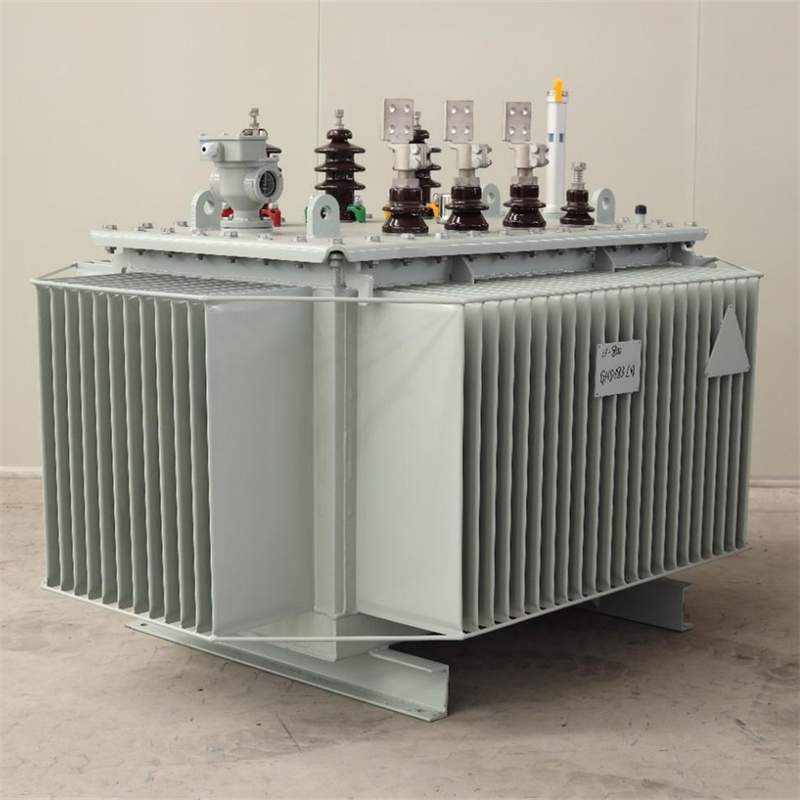
Choosing the Right Substation Transformer

application/substation-transformer, application/substation-transformer, 
Inquiry
application/substation-transformer, application/substation-transformer, 
Inquiry

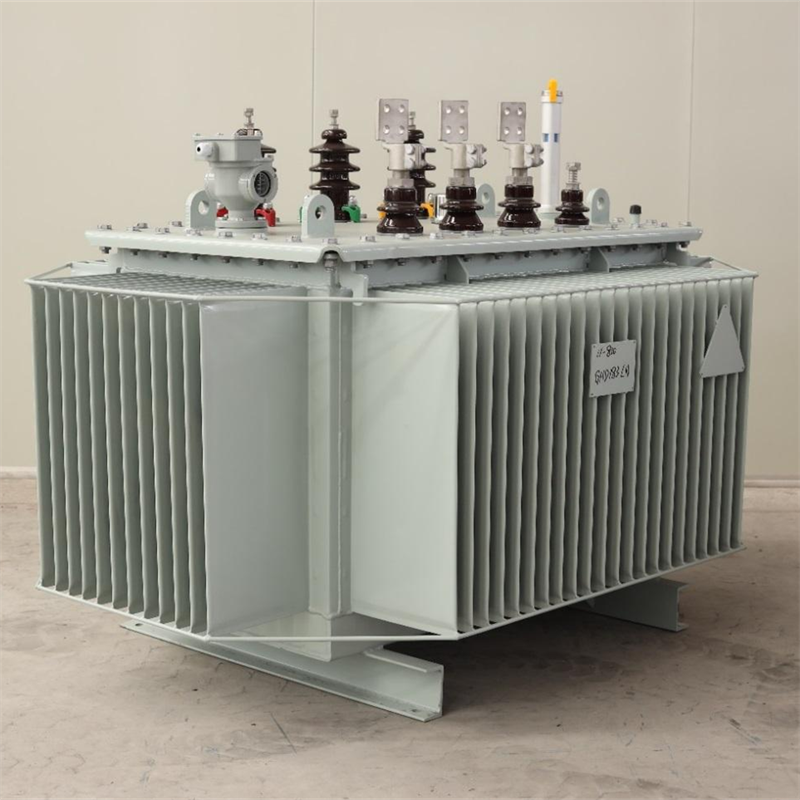
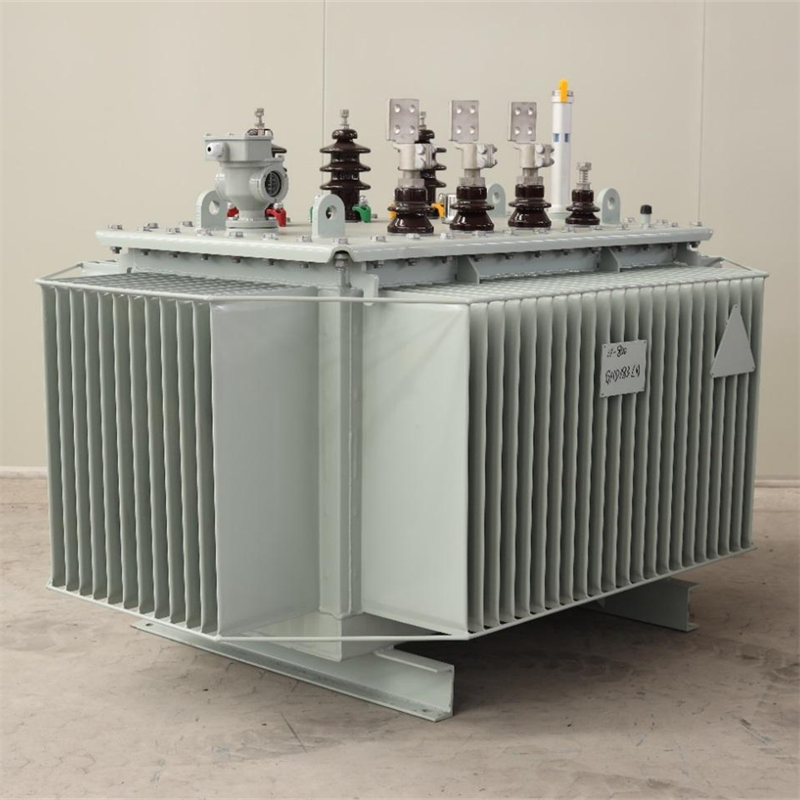
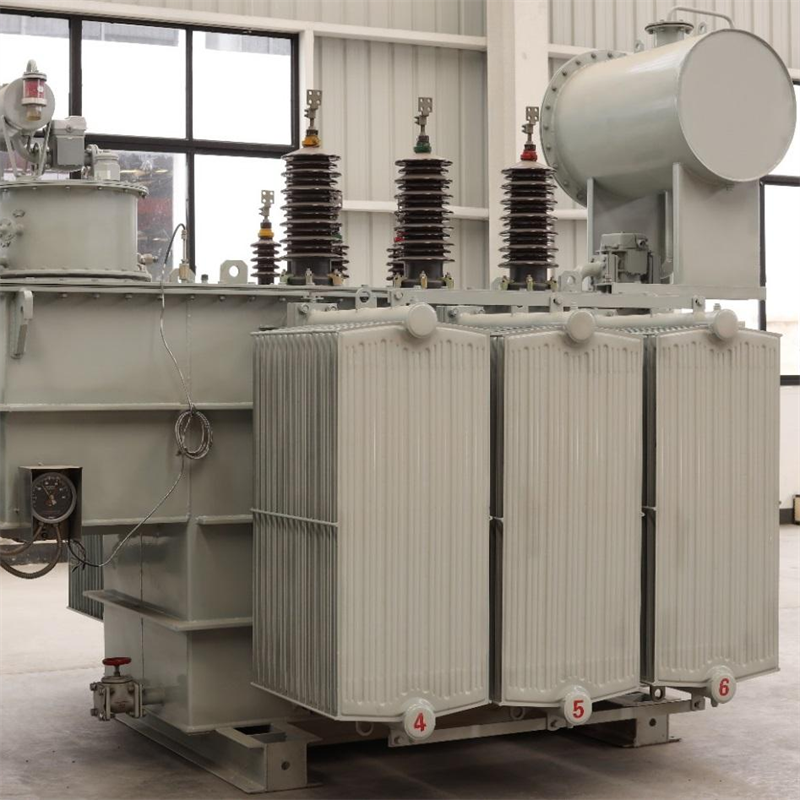
Substation transformer

Selecting the right substation transformer is crucial for the efficiency and reliability of power distribution in various applications. A substation transformer is specifically designed to step down high voltage electricity to a lower voltage suitable for distribution to commercial and residential users. With numerous options available in the market, buyers often have concerns regarding specifications, quality, and reliable suppliers. This article aims to provide insights into selecting the appropriate power transformer, key specifications to consider, and the applications of these substation transformer across different industries. This article will help you to understand the product more, so keep on reading it all. 

Key Specifications to Consider When Sourcing Substation Transformers

When sourcing Bading substation transformers, several key specifications should be evaluated to ensure optimal performance and reliability:  

Voltage Rating: Confirm the primary and secondary voltage ratings to ensure compatibility with your power system. 

Rated Capacity: Ensure that the transformer’s MVA rating meets or exceeds the maximum expected load. 

Impedance: Impedance affects short-circuit currents and voltage regulation. It's crucial to select a substation transformer with an impedance that meets system requirements. 

Cooling Method: The cooling method impacts the transformer's lifespan and maintenance needs. Oil-cooled transformers are common for high-capacity installations, while dry-type transformers are often preferred for indoor applications.  

Noise Level: Depending on the installation environment, the noise generated by the substation transformer may be a concern.  Consider transformers designed to operate quietly.  

Standards and Certifications: Ensure that the transformer complies with international standards, such as IEC certifications, for safety and reliability.  

Each of these specifications plays a vital role in the transformer's performance, and buyers should thoroughly evaluate them before making a purchasing decision. 

Reliable Suppliers for High-Quality Substation Transformers

Finding a reliable supplier for Bading substation transformers is crucial for ensuring quality and performance. Our brand offers high-quallity products that is made with higgh-quality materials to ensure its efficiency and to function it well. Look for manufacturers with a strong track record in the industry, such as Bardeen Equipment Co., Ltd., which specializes in IEC-certified transformers and has experience serving international markets. 

When evaluating suppliers, consider the following: 

Manufacturing Capabilities: Assess the reliable suppliers production capacity and technological capabilities to ensure they can meet your demands. 

Customization Options: A good reliable suppliers should offer customization to meet specific project requirements, such as special dimensions or unique configurations. 

Quality Control Processes: Inquire about the reliable suppliers quality control measures, including testing procedures and certifications, to ensure the products meet industry standards. 

Customer Support: Reliable suppliers provide strong technical support and after-sales service, which can be critical in case of operational issues. 

By carefully vetting suppliers, buyers can ensure they receive high-quality dc power transformer tailored to their needs.

Exploring Applications of Substation Transformers in Various Industries

Substation transformers are versatile components used across numerous industries, providing essential roles in power distribution. Key applications include: 

Power Generation: In power plants, substation transformers step down voltage for integration into the grid, ensuring efficient electricity transmission. 

Renewable Energy: As the demand for renewable energy sources like solar and wind increases, substation transformers play a vital role in connecting these sources to the grid. 

Commercial Projects: In commercial buildings, substation transformers manage the distribution of electricity, allowing for efficient operation of HVAC systems, lighting, and equipment. 

Industrial Applications: Factories and manufacturing facilities rely on substation transformers to ensure a steady and reliable power supply for their operations. 

Understanding these applications helps buyers recognize the importance of selecting the right transformer for their specific industry needs.

Evaluating Material Quality in Substation Transformers for Longevity

The longevity and reliability of Bading substation transformers heavily depend on the quality of materials used in their construction. Key materials to evaluate include: 

Core Material: Typically made from silicon steel, the core material affects the substation transformer efficiency and losses. Higher-grade steel minimizes losses, enhancing performance. 

Insulation Material: Insulation is crucial for safety and efficiency. Materials like mineral oil or synthetic esters provide effective insulation and cooling, with some options being environmentally friendly. 

Windings: Copper and aluminum are common winding materials. Copper offers lower resistance and better conductivity, while aluminum can be a cost-effective alternative but may require larger dimensions to achieve the same performance. 

When assessing material quality, buyers should also inquire about the manufacturing processes used, as these can significantly impact the final product's durability and performance. Ensuring high-quality materials can lead to reduced maintenance costs and improved operational lifespan. Trust on our brand now! 

How to Choose the Right Substation Transformer for Your Project

Choosing the right substation transformer involves several critical considerations. First, assess the voltage requirements for your specific application. Substation transformers typically range from 10 kV to 220 kV, so it's essential to match the transformer's voltage rating with your system's needs. Choosing the right product is so easy if you trust on our brand. 

Next, consider the substation transformer capacity, measured in megavolt-amperes (MVA). This capacity should align with the expected load to ensure efficient operation and prevent overheating. Additionally, evaluate the cooling method—whether air-cooled, oil-cooled, or dry-type—which impacts efficiency and maintenance needs. 

Finally, factor in customization options. Different projects may require specific dimensions, mounting configurations, or insulation types. Discussing customization with reliable suppliers like Bardeen Equipment Co., Ltd. can help ensure that the transformer for power aligns perfectly with your project requirements.

Frequently Asked Questions

What types of substation transformers do you offer?

We manufacture oil-filled and dry-type substation transformers for distribution, transmission and renewable storage applications, available up to IEC-certified 220kV ratings with customization options.
Yes. We provide custom voltage, capacity, cooling, tap changer and accessory options, and tailor designs to project and grid requirements with technical support through the lifecycle.
Yes. Our production includes IEC-certified 220kV transformers and we design equipment to comply with relevant international and local standards for safety and performance.
We offer installation guidance, commissioning assistance, maintenance recommendations and remote or on-site technical support to ensure reliable operation throughout service life.
Absolutely. We supply transformers optimized for renewable storage and grid integration, with configurations to handle variable inputs and support stable power delivery.

Get a Free Quote

Our representative will contact you soon.
0/1000