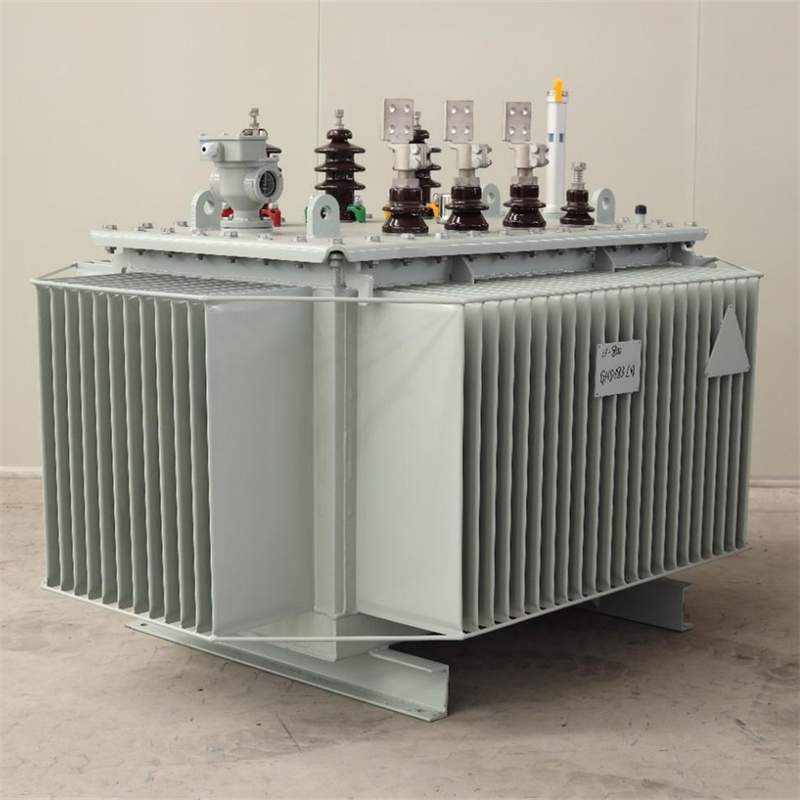
Understanding Solar Transformer Specifications

application/solar-transformer, application/solar-transformer, 
Inquiry
application/solar-transformer, application/solar-transformer, 
Inquiry

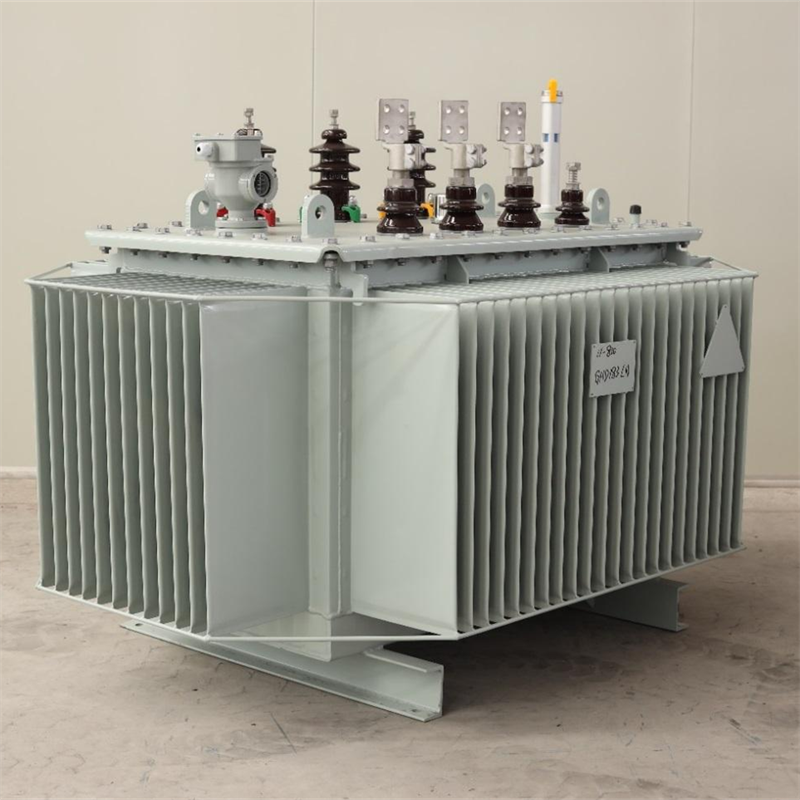
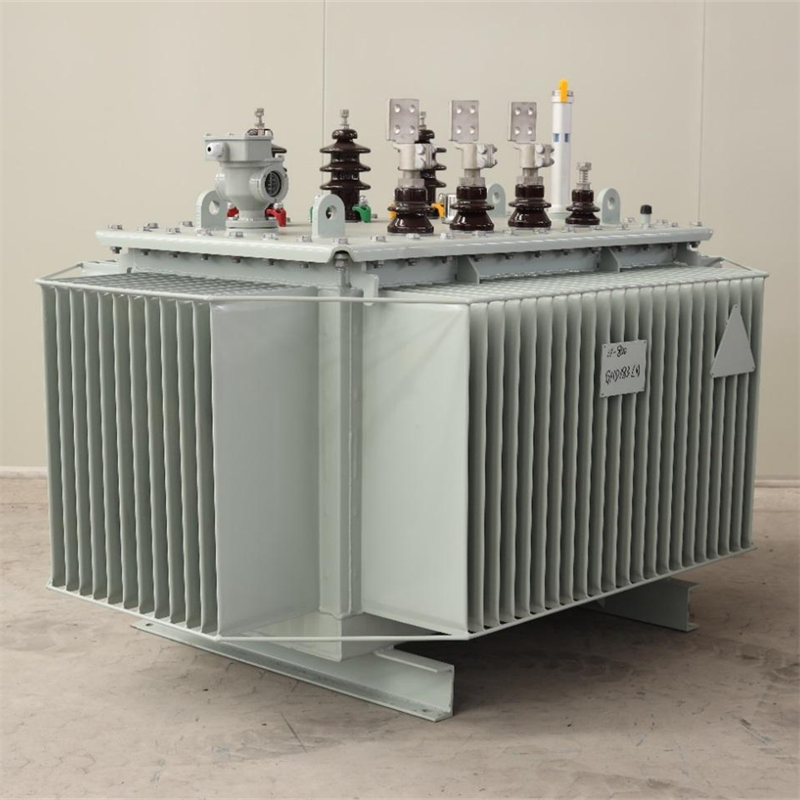
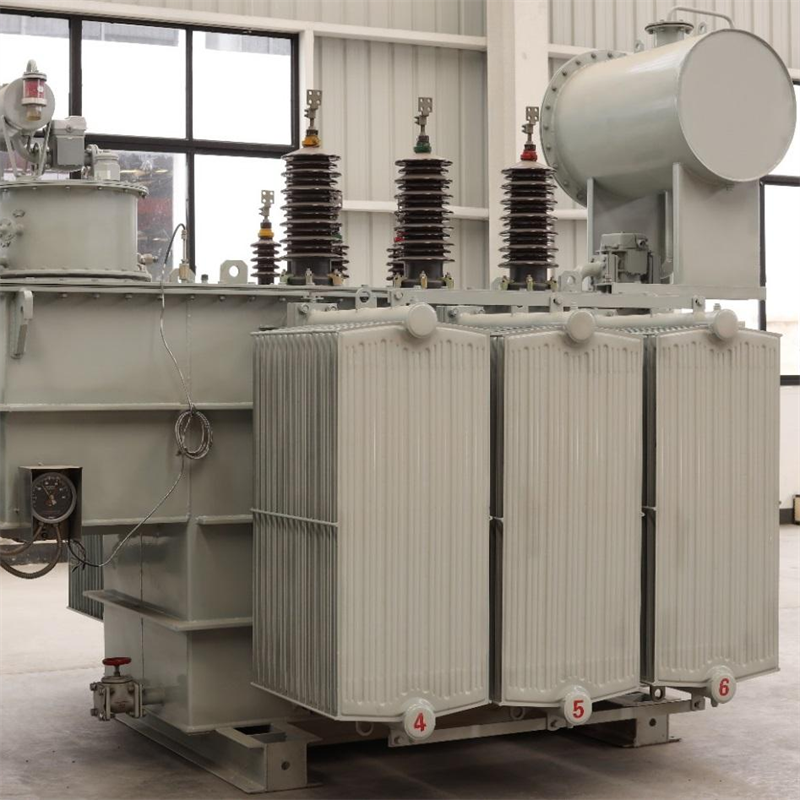
Solar transformer

Understanding solar transformers is essential for B2B buyers engaged in renewable energy projects. These specialized Bading Transformer Accessories/Testing Equipment are integral to converting and managing electricity generated from solar power systems. Buyers often seek information on specifications, customization options, cost factors, and applications. When comparing solar transformers, it is important to review solar transformer specifications and consider the performance requirements of the project. Choosing reliable solar transformers can also help support consistent operation and long-term performance. Buyers should also carefully evaluate the cost factors for solar transformers before making a purchasing decision. This article aims to equip purchasing managers, engineers, and project managers with the necessary insights to make informed decisions about solar transformers for their operations.


How to Choose the Right Solar Transformer for Your Project

Selecting the right solar transformer involves considering several critical factors. Begin by assessing the specific requirements of your solar project, including installation size, location, and anticipated energy output. 

Type of Solar Installation: Determine whether your installation is grid-tied, off-grid, or hybrid.  Each type may require different transformer configurations and features. 

Customization Options: Many manufacturers, like Bardeen Equipment Co., Ltd., offer customization to accommodate unique project requirements—such as specific voltage outputs or environmental considerations. Discussing your project specifications with the manufacturer can lead to tailored solutions that enhance performance. 

Regulatory Compliance: Ensure the transformer complies with local and international standards, including IEC certifications. Compliance affects not just installation but also future operational efficiency. 

Efficiency Ratings: Look for transformers with high efficiency ratings, which translate to reduced energy loss and operational costs over time. Efficiency can significantly impact the overall ROI of your solar project. 

A thorough examination of these factors will help ensure that you select a transformer that meets both current and future demands.

Where to Source Reliable Solar Transformers in Bulk Orders

Sourcing reliable solar transformers requires identifying trustworthy manufacturers and suppliers. Start by researching companies with a solid reputation in the renewable energy sector.   

Manufacturer Credentials: Look for manufacturers with certifications such as ISO and IEC, which indicate adherence to quality standards. Bardeen Equipment Co., Ltd. specializes in IEC-certified transformers, ensuring compliance with international standards.   

Production Capacity: Assess the manufacturer’s ability to handle bulk orders. Understanding their production capabilities and lead times can help in planning your project timelines effectively.  

Quality Control Processes: Inquire about the manufacturer’s quality assurance measures during production, including testing protocols for each batch. Reliable suppliers will be transparent about their quality control processes.   

Customization and Technical Support: Choose suppliers that offer both customization options and technical support. A supplier like Bardeen Equipment Co., Ltd. can assist in selecting the right transformer while providing ongoing support throughout your project lifecycle.   

Building relationships with reputable manufacturers can lead to better pricing, consistent quality, and reliable delivery.

Evaluating Cost Factors for Solar Transformers in Commercial Use

When evaluating the cost of solar transformers, consider both initial acquisition costs and long-term operational expenses.  

Initial Costs: These include the purchase price, shipping, and installation costs. While cheaper options may seem attractive, they may lack necessary specifications or durability, leading to higher costs down the line.   

Operational Efficiency: Assess how well the transformer performs under load. Transformers with higher efficiency ratings may have a higher upfront cost but can result in lower energy costs and extended lifespans, ultimately leading to cost savings.   

Maintenance Requirements: Some transformers require more frequent maintenance than others, affecting long-term costs. Understanding the maintenance schedule and potential issues can help you plan for these expenses.   

Warranty and Support: Consider warranties offered by the manufacturer. A good warranty can mitigate risks associated with transformer failures and maintenance costs.   

By carefully analyzing these factors, buyers can make more informed decisions that balance upfront costs with long-term value.

Identifying Applications for Solar Transformers in Renewable Energy Projects

Solar transformers play a crucial role in various renewable energy applications. Understanding these applications can help buyers make better purchasing decisions.  

Grid-Tied Systems: In grid-tied solar installations, transformers help manage electricity flow to the grid. They need to efficiently convert the DC output from solar panels into AC while ensuring stability and compliance with grid standards.   

Off-Grid Systems: For off-grid applications, solar transformers can be used in conjunction with battery storage systems, converting power for storage and later use. This requires transformers that can handle varied loads and provide reliable performance under fluctuating conditions.   

Hybrid Systems: Hybrid systems that combine solar with other energy sources, like wind or diesel generators, require transformers capable of managing multiple inputs effectively. These systems often necessitate advanced transformer features, such as load management capabilities.  

Commercial and Industrial Applications: In commercial settings, solar transformers help reduce energy costs and carbon footprints. They are essential for large-scale installations that demand high power capacities and robust performance.   

Understanding these applications informs buyers about the right specifications and functionalities needed for their specific projects, enhancing overall project efficiency.    

By focusing on these critical areas, B2B buyers can ensure they make informed decisions when purchasing solar transformers, contributing to the success of their renewable energy projects.

Understanding Solar Transformer Specifications for Wholesale Buyers

Solar transformers are designed to step up or step down voltage levels in solar power systems, ensuring efficient energy transmission. Key specifications to consider include voltage rating, power capacity (measured in kVA or MVA), and insulation class.   

Voltage Rating: This Bading Dry‑Type Transformers indicates the maximum voltage the transformer can handle. For solar applications, common ratings include 11kV, 22kV, or even up to 220kV. It's crucial to match this with the solar panel output and grid requirements to prevent electrical failures.  

Power Capacity: This determines how much energy the transformer can handle. Buyers should evaluate the total output of their solar installations and select a transformer rated for slightly higher to ensure efficiency and longevity.   

Insulation Class: This specifies the thermal limits of the transformer. Higher insulation classes can withstand greater temperatures, which is important in varying climates or high-load scenarios.  

Understanding these specifications of Bading Oil‑Immersed Transformers helps buyers choose transformers that not only meet their immediate needs but also align with future scalability plans.


Get a Free Quote

Our representative will contact you soon.
0/1000