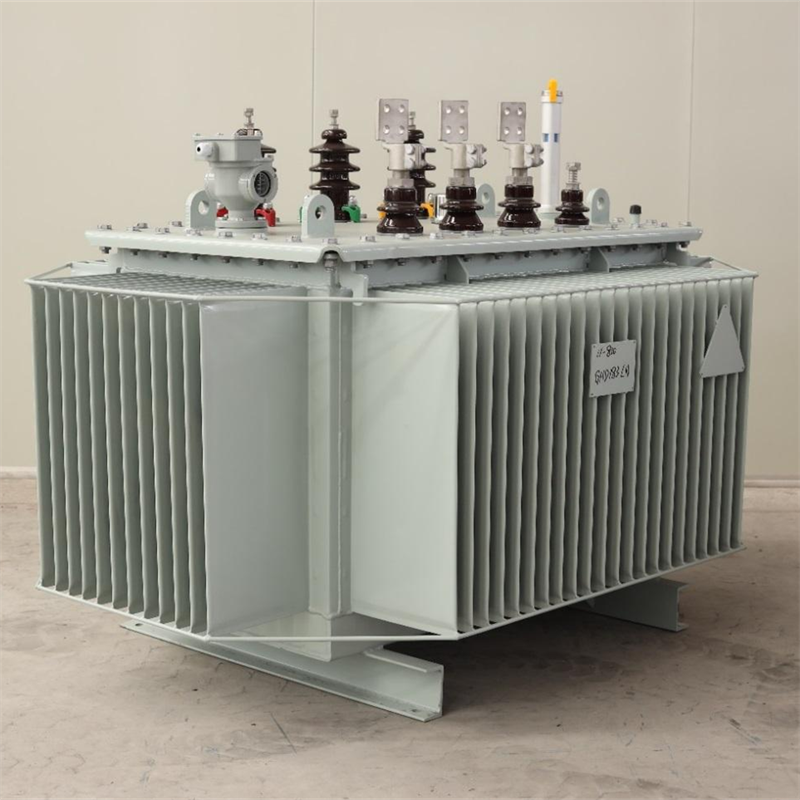
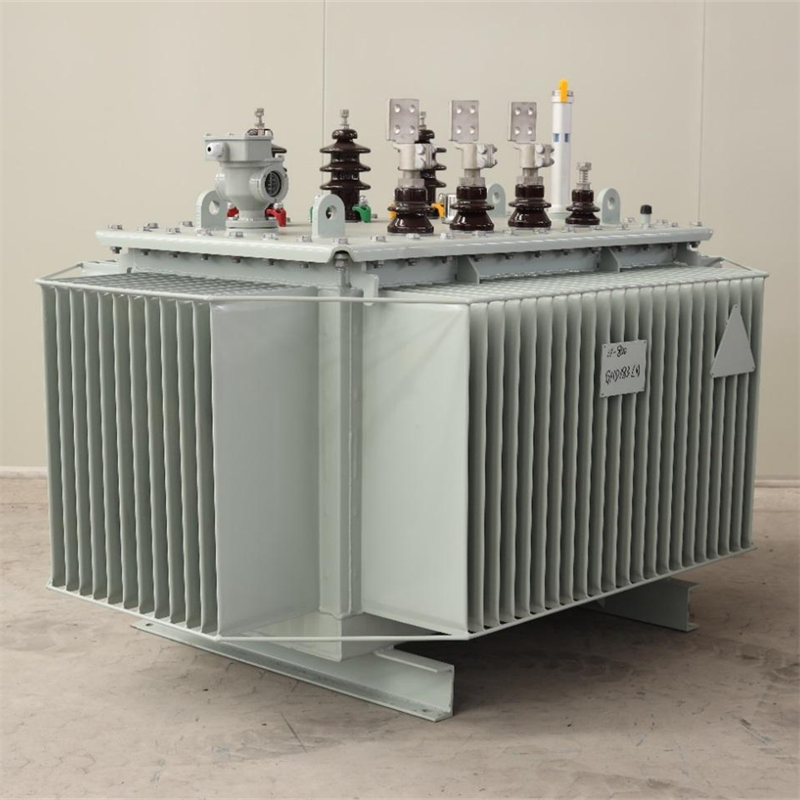
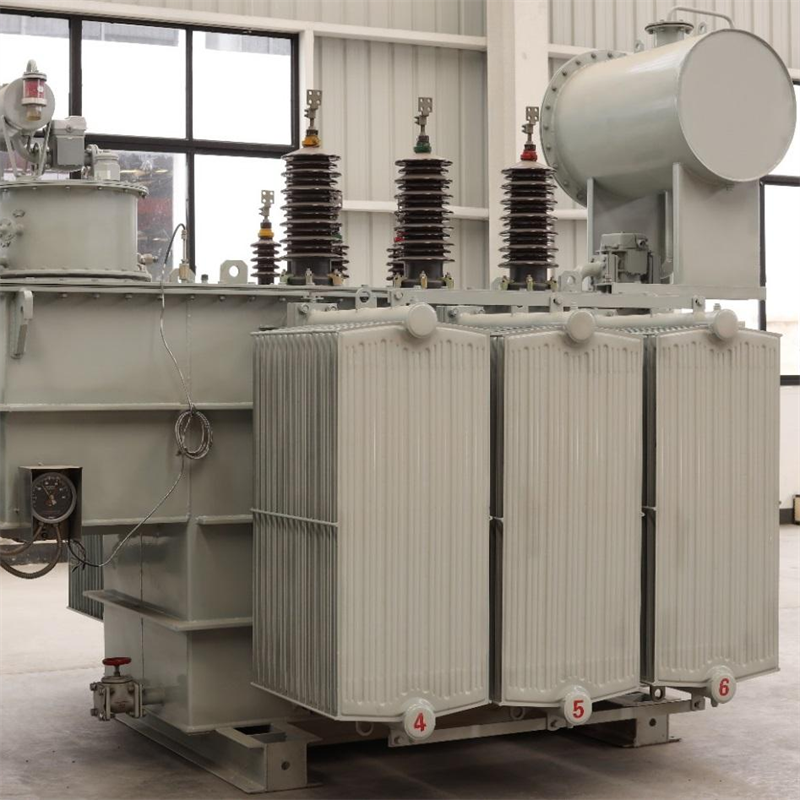
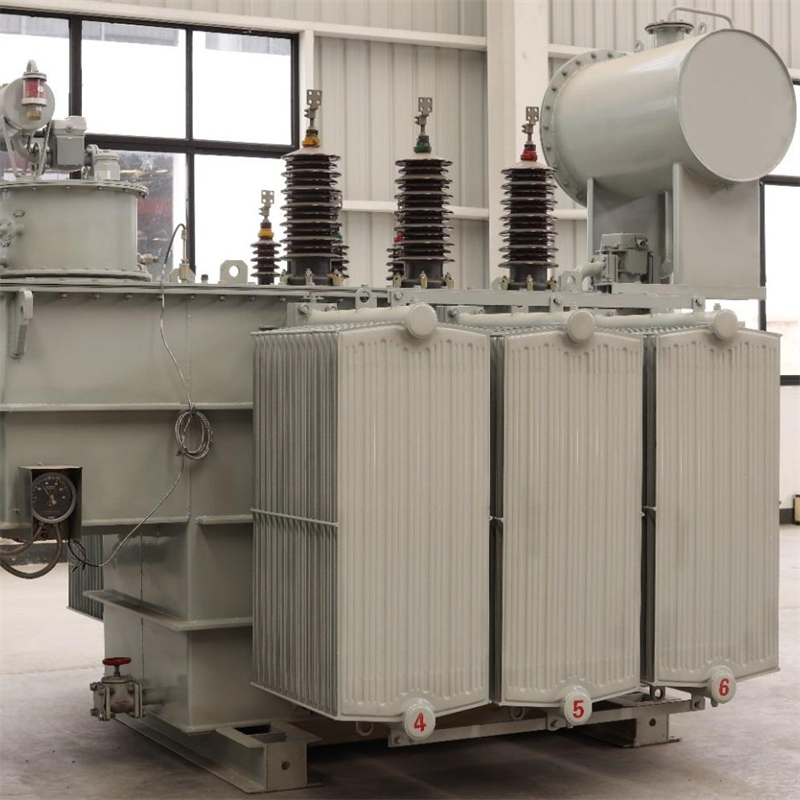
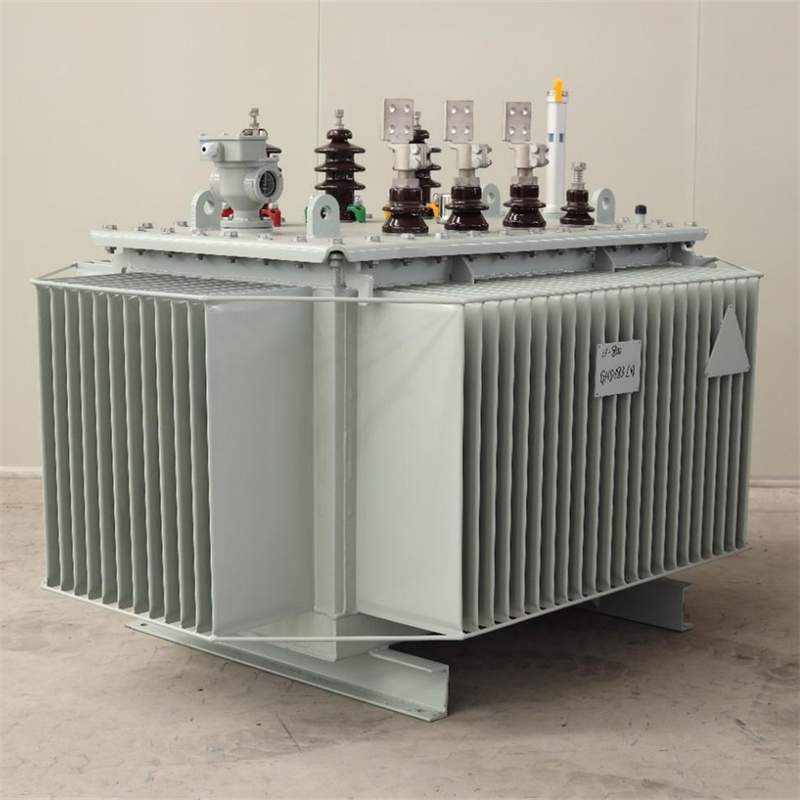
100 kVA Transformers: Specifications & Buying Guide

application/100-kva-transformer, application/100-kva-transformer, 
Inquiry
application/100-kva-transformer, application/100-kva-transformer, 
Inquiry

100 kva transformer

Understanding 100 kVA transformers is crucial for businesses that rely on efficient power distribution. These power transformer are essential in various applications, including industrial, commercial, and renewable energy sectors. As a potential buyer, your main concerns likely revolve around specifications, quality, customization options, and cost considerations. This article will help you navigate these areas, ensuring you make an informed purchasing decision.

Wholesale Purchasing Options for 100 kVA Transformers

Wholesale purchasing of Bading 100 kVA transformers can offer significant cost savings, especially for larger projects. Here are some options to consider: 

Direct Manufacturer Orders: Purchasing directly from manufacturers like Bardeen Equipment Co., Ltd. can reduce costs associated with middlemen. Manufacturers often offer bulk discounts and customized solutions tailored to your specific needs. 

Authorized Distributors: Working with authorized distributors ensures that you receive genuine products and reliable support. Distributors often have stock on hand, which can reduce lead times significantly. 

Group Purchasing Organizations (GPOs): Joining a GPO can provide access to discounted rates for transformers by pooling purchasing power with other businesses. This approach often results in better pricing and terms. 

Online Marketplaces: Platforms that specialize in industrial equipment can provide competitive pricing and a wide range of options. Ensure that the suppliers have verified reviews and a solid return policy. 

Request for Quotation (RFQ): When dealing with larger quantities, issuing an RFQ can help you receive tailored quotes from multiple suppliers, allowing you to compare prices and terms effectively. 

When purchasing wholesale, consider the total cost of ownership, including maintenance and operational efficiencies, to ensure the best value.

Where to Find Reliable Suppliers of 100 kVA Transformers

Finding reliable suppliers for Bading 100 kVA transformers involves research and careful selection. Here are some avenues to explore: 

Industry Directories: Utilize online industry directories that list manufacturers and suppliers of electrical equipment. Look for companies with strong reputations and positive customer reviews. 

Trade Shows: Attending industry trade shows allows you to meet suppliers face-to-face, view their products, and discuss your needs. This can help establish relationships and trust. 

Professional Networks: Leverage connections within your industry to obtain recommendations. Colleagues and industry peers can often point you toward reputable suppliers based on their experiences. 

Certification Verification: Ensure that potential suppliers have relevant certifications, such as IEC standards. Certified manufacturers are more likely to adhere to quality control processes and deliver reliable products. 

Technical Support: Choose suppliers that offer technical assistance and customization options. This can be crucial for ensuring that the substation transformer meet your operational requirements. 

Finding a trustworthy supplier will not only ensure you receive quality products but also provide support throughout the purchasing and installation process.

Understanding the Cost Factors for 100 kVA Transformers

The cost of 100 kVA transformers can vary based on several factors: 

Material Costs: The choice of materials, especially for windings and core construction, significantly impacts pricing. Copper windings, while more efficient, are generally more expensive than aluminum. 

Customization: If your application requires specific modifications or features, such as different voltage ratings or cooling methods, this can increase the overall cost. Custom specifications should be discussed upfront to provide accurate pricing. 

Manufacturing Process: The complexity and quality of the manufacturing process can affect cost. Transformers produced with stringent quality control measures may have a higher upfront cost but can lead to lower maintenance expenses in the long run. 

Shipping and Handling: Consider logistics in your cost calculations. Shipping transformers can incur substantial freight charges, especially for international orders. Ensure you factor in any import duties or taxes. 

Warranty and Support: Suppliers offering extended warranties or robust after-sales support may charge higher prices, but this can provide peace of mind and potentially lower total costs through reduced maintenance and replacement needs. 

By understanding these factors, you can better evaluate quotes and make a cost-effective decision that aligns with your budget and operational needs. 

Quality Control Measures for 100 kVA Transformer Manufacturing

Quality control is crucial in the manufacturing of Bading 100 kVA transformers to ensure reliability and safety. Here are some common measures implemented during production: 

Raw Material Inspection: Quality begins with the selection of materials. Manufacturers often conduct rigorous tests on raw materials, such as copper or aluminum, to ensure they meet specified standards. 

In-Process Inspections: Regular inspections during the manufacturing process help identify potential issues early. This includes monitoring winding techniques, insulation application, and core assembly. 

Electrical Testing: After assembly, transformers undergo comprehensive electrical tests, including insulation resistance tests and power factor testing. These tests ensure that the transformer will operate safely and effectively under load. 

Thermal Testing: Thermal performance is critical for transformers. Manufacturers often conduct temperature rise tests to verify that the transformer can handle expected loads without overheating. 

Final Quality Checks: Before shipping, a final inspection ensures that all specifications are met and that the transformer is free from defects. Documentation of these inspections is typically provided to the buyer. 

By choosing a manufacturer that emphasizes quality control, you can be assured of receiving a reliable product that meets industry standards and performs well in your application. 

Top Specifications to Evaluate in 100 kVA Transformers

When evaluating 100 kVA transformers, several key specifications should be considered to ensure optimal performance: 

Voltage Rating: Determine both the primary and secondary voltage ratings to ensure compatibility with your existing electrical systems. The voltage level affects the transformer's ability to handle specific loads and its overall efficiency. 

Efficiency: A high-efficiency transformer reduces energy losses during operation. Look for models with efficiency ratings above 95% to minimize operational costs. 

Cooling Method: Transformers can be air-cooled or oil-cooled. The choice depends on the installation environment and thermal management requirements. Oil-cooled transformers typically offer better cooling but require more maintenance. 

Impedance: This affects how the transformer responds to short circuits and overloads. A typical impedance range for a 100 kVA transformer is 4% to 6%. Ensure the impedance matches your application needs to enhance system stability. 

Frequency: Standard frequency ratings are 50 Hz or 60 Hz, depending on your region. Ensure the transformer's frequency aligns with your electrical grid to avoid operational issues. 

Winding Material: Copper and aluminum are common materials used for windings. Copper provides better conductivity, while aluminum is lighter and often more cost-effective. Your choice will depend on budget and weight considerations. 

Understanding these specifications will help you select a dc power transformer that meets your operational requirements and ensures reliability in your power distribution system.

Get a Free Quote

Our representative will contact you soon.
0/1000