Understanding 50 MVA Transformer Specifications

application/50-mva-transformer, application/50-mva-transformer, 
Inquiry
application/50-mva-transformer, application/50-mva-transformer, 
Inquiry

50 mva transformer

A 50  MVA transformer  is a crucial  component  in  electrical power distribution, designed to handle significant  power loads effectively. For wholesale buyers,  understanding the specifications, applications,  and quality measures  associated with these transformers is essential before making  purchasing decisions. This article  will address  key concerns  such as product  selection, quality control, installation  guidelines, and  more, providing  valuable  insights for  purchasing managers, distributors, and  engineers.

How to Choose the Right 50 MVA Transformer for Your Projects

How to Choose the Right 50 MVA Transformer for Your Projects

Choosing the right 50  MVA transformer involves assessing the project requirements and operational environment. Here are several  factors  to consider:

Application Suitability:  Determine the specific  use case for the transformer. Whether for renewable energy integration, commercial building power distribution, or industrial processing, the application will dictate the design and specifications needed.

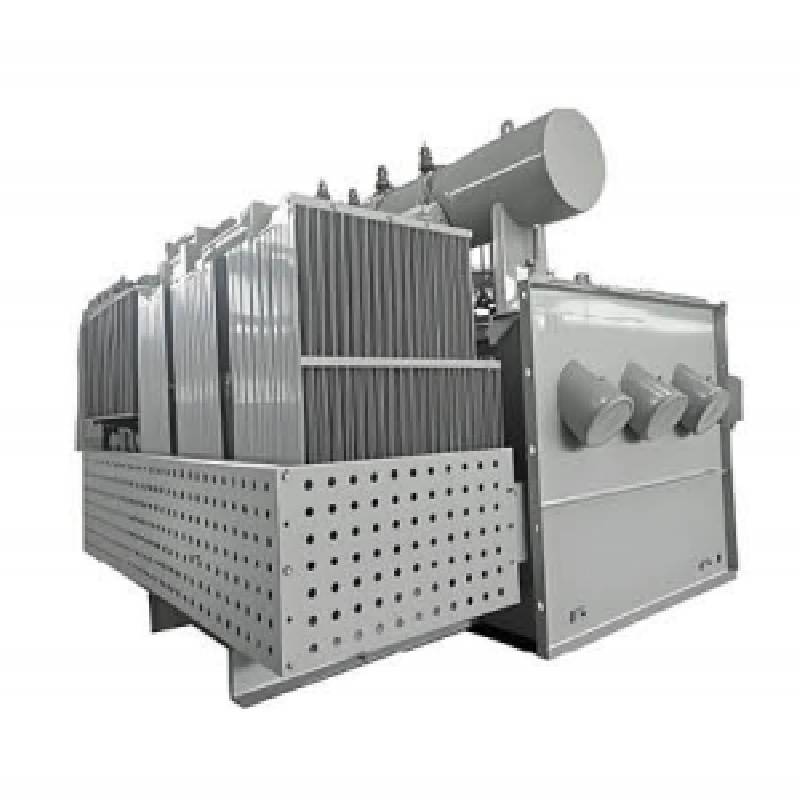
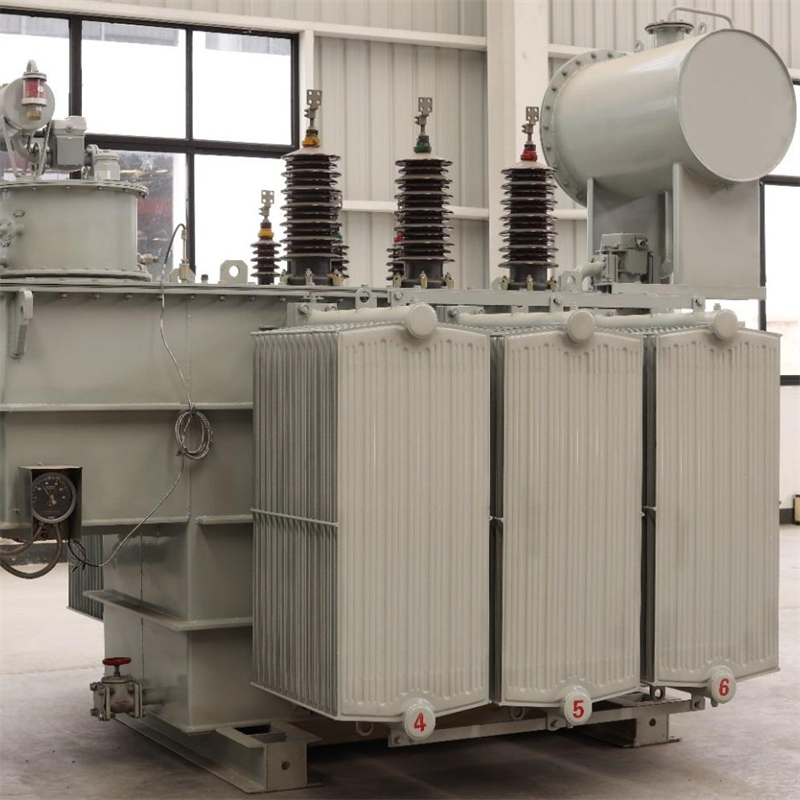
Customization Needs: Many manufacturers, including Bardeen Equipment Co.,  Ltd., offer customization options to meet unique project requirements. Buyers should provide detailed specifications regarding insulation type, cooling methods  (air-cooled  vs. oil-cooled), and other operational  preferences that might affect performance. For instance, oil-cooled transformers, such as Oil-Immersed Transformers, are popular in various applications due to their efficiency.

Compliance and Certifications:  Ensure that the transformer complies with relevant industry  standards and certifications, such as IEC standards. This ensures the  product's reliability and safety for  the intended application.

Lead Time and MOQ:  Understand the minimum order quantity (MOQ) and expected  lead times for  delivery. Custom transformers may require longer  production times, so early planning is essential.

By  considering  these factors, buyers can effectively align their project  needs with the most suitable transformer specifications.

Quality Control Measures for 50 MVA Transformers in Manufacturing

Quality Control Measures for 50 MVA Transformers in Manufacturing

Quality control is  paramount in the manufacturing of 50 MVA transformers to ensure safety, reliability, and performance. Bardeen Equipment Co., Ltd.  implements several essential quality control measures throughout  the manufacturing process:

Material  Selection:  High-quality materials, such as silicon steel for core construction and high-grade  copper or aluminum for windings,  are critical for achieving optimal performance. Each  material must meet specific industry standards  to ensure durability and efficiency.

Testing Procedures:  Comprehensive  testing, including routine electrical tests, insulation resistance tests, and temperature rise tests, is conducted to verify the transformer's performance before it leaves the factory. These tests  help identify potential issues and  ensure compliance with safety standards.

Inspections:  Regular inspections during the  manufacturing process help catch defects early. This includes visual  inspections and dimensional checks to ensure that all components adhere to specified tolerances.

Documentation:  Proper documentation of all  testing  and inspection results is crucial. This not only aids  in quality assurance but  also provides buyers with necessary certification and compliance information.

Effective quality control processes prevent defects, enhance reliability, and ensure that the transformers perform as  intended in their operational environments.

Installation Guidelines for Efficient 50 MVA Transformer Use

Installation Guidelines for Efficient 50 MVA Transformer Use

Proper  installation of a  50 MVA transformer is critical for its performance and longevity. Here are essential guidelines to follow:

Site Preparation:  Before  installation, the site must be adequately prepared. This  includes ensuring a stable foundation that can support the transformer, as well as providing sufficient  space for maintenance  and operation.

Electrical Connections:  Ensure  that all electrical connections comply  with local regulations and standards. This includes proper grounding to prevent electrical faults and ensuring that connections are tight to reduce energy losses.

Cooling System Checks:  Depending on the cooling method (oil-cooled or air-cooled),  ensure that the cooling system is correctly installed and functioning. For oil-cooled transformers, check for  leaks and ensure proper oil levels are maintained.

Initial  Testing:  After  installation, conduct  initial testing to verify that the transformer operates within  specified parameters. This includes checking voltage outputs and ensuring that the transformer  is correctly integrated  into the electrical grid.

Following these guidelines can help prevent operational issues and extend the service life of the  transformer.

What You Need to Know

When preparing for a purchase of a 50 MVA transformer, buyers should gather vital information to facilitate a  smooth transaction. Key considerations include:

Technical  Specifications:  Provide detailed requirements including  voltage, frequency, and specific use cases. This will help manufacturers suggest the best options suited for your application.

Sample Approval:  Before mass production, request a sample for approval. Evaluating a sample allows buyers to  assess the transformer’s performance under  actual operating conditions, ensuring it meets expectations.

Packaging and Shipping:  Discuss packaging  methods to prevent damage during transport, especially for large and heavy transformers. Proper  packaging is essential to avoid additional costs related to repairs  or replacements.

Supplier  Evaluation:  Assess potential suppliers  based on their manufacturing capabilities, quality control processes,  and  past  performance. A reliable supplier will  offer not  only high-quality products  but also excellent support  and service.

By addressing  these considerations, buyers can make  informed decisions, ensuring that their investment in a 50 MVA transformer aligns with their operational needs and budget constraints.

Understanding 50 MVA Transformer Specifications for Wholesale Buyers

When evaluating 50  MVA transformers, several key specifications must be considered.  These include  power rating, voltage levels, efficiency, and  impedance. A 50 MVA transformer is  capable of handling a maximum power output  of 50 megavolt-amperes, making it suitable for large-scale industrial and commercial applications.

Voltage Levels:  The voltage ratings usually range from medium to high voltage, often between 11 kV to 132 kV.  Buyers should confirm the required voltage levels based on their specific applications to ensure compatibility. For instance, transformers in the 6-10kV range are often used in medium voltage applications. You can learn more about these transformers here.

Efficiency: Efficiency ratings typically hover around 98-99%,  significantly impacting operational costs. A higher efficiency translates  to reduced  energy  losses during operation, which is crucial for long-term savings.

Impedance:  This specification affects the transformer's ability  to handle short  circuits and its overall performance within the electrical grid. Buyers should assess the impedance  based on their grid's  requirements to avoid potential operational issues.

Understanding these  specifications helps  buyers ensure that the transformer will meet their operational demands while optimizing performance and  reliability.

Get a Free Quote

Our representative will contact you soon.
0/1000