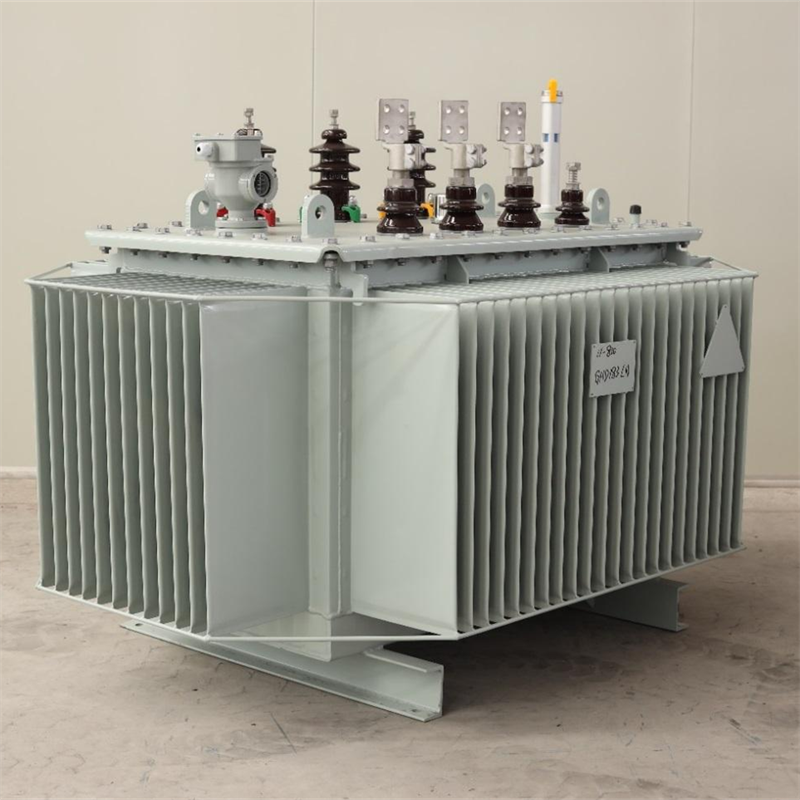
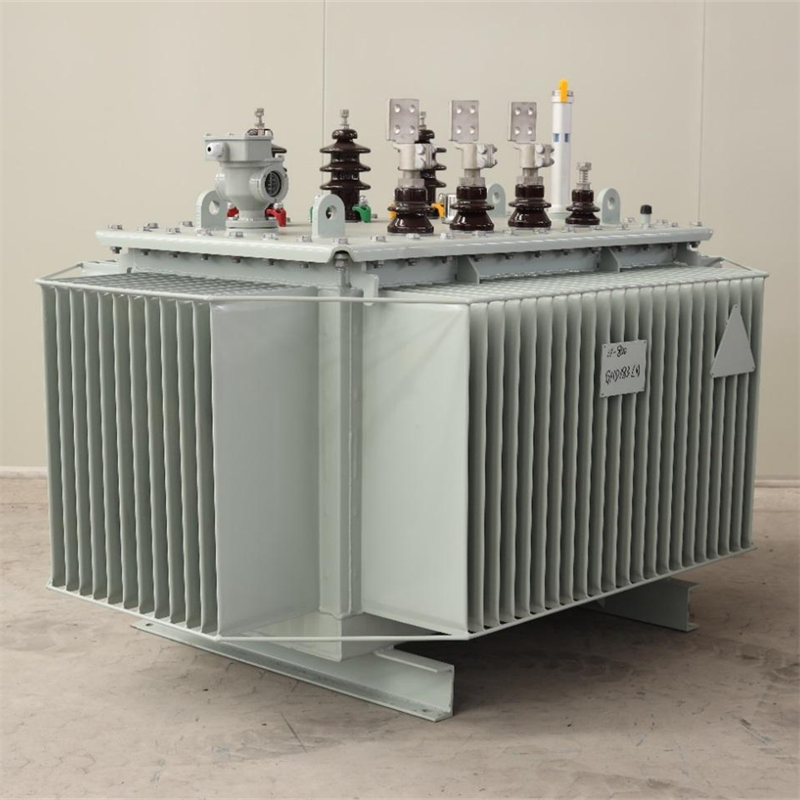
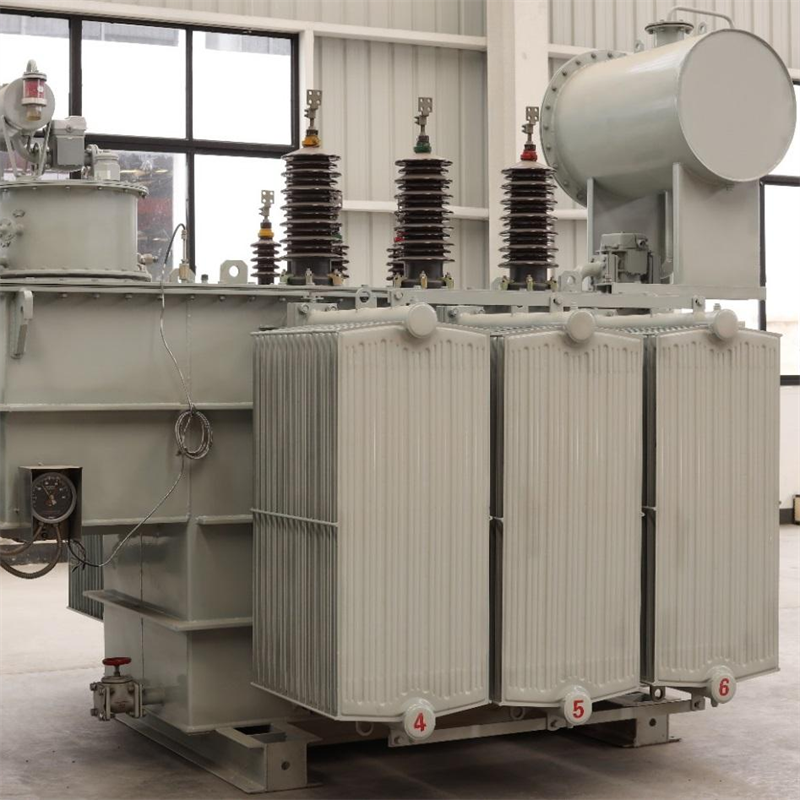
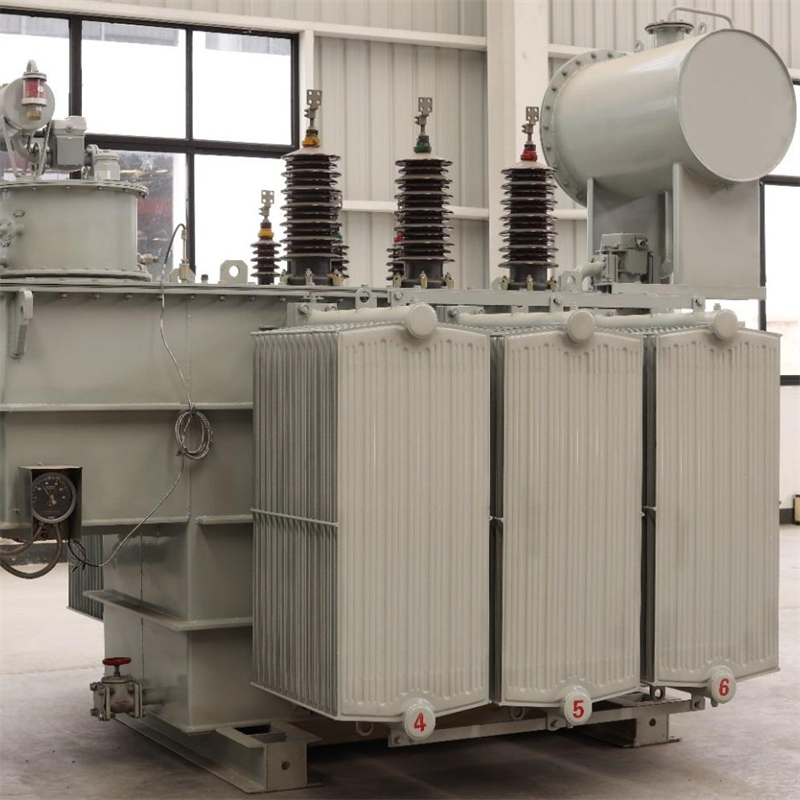
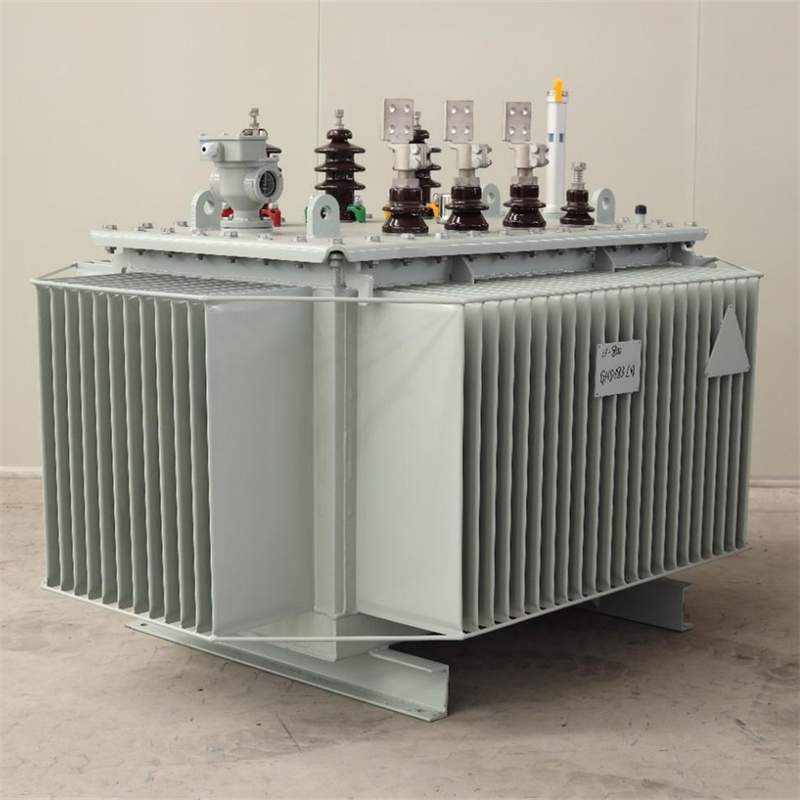
Quality and Applications of 250 kVA Transformers

application/250-kva-transformer, application/250-kva-transformer, 
Inquiry
application/250-kva-transformer, application/250-kva-transformer, 
Inquiry

250 kva transformer

Understanding the intricacies of a 250 kVA transformer is essential for B2B buyers in the manufacturing and industrial sectors.  These 250 kVA transformers play a vital role in electrical distribution systems, ensuring efficient power supply for various applications.  Buyers often grapple with concerns around quality, customization, and application suitability. This article will explore how to evaluate the quality of transformers, installation guidelines, industry applications of 250 kVA transformers, common issues, and how to select the right power transformer from Bading for your needs.   

Installation Guidelines for Efficient Use of 250 kVA Transformers

Proper installation of a 250 kVA transformer is paramount to its operational efficiency and longevity. Start by selecting a suitable location that allows for adequate ventilation and access for maintenance. The installation area should be free from moisture and extreme temperatures, which can affect the transformer's performance and lifespan. 

 Bading ensure that the transformer is mounted on a stable and level foundation to prevent mechanical stress during operation. All electrical connections must be made with care, following the manufacturer’s guidelines to avoid issues such as loose connections or short circuits. It's advisable to use a qualified electrician for installation to comply with local electrical codes and safety standards. 

After installation, implement a regular maintenance schedule that includes inspections of electrical connections, cooling systems, and physical integrity. Monitoring the transformer's performance through regular thermal imaging can help detect early signs of potential failures, allowing for timely interventions before operational disruptions occur. 

Applications of 250 kVA Transformers in Various Industries

250 kVA transformers find applications across multiple industries due to their versatility and reliability. In the commercial sector, they are commonly used to supply power to office buildings, retail facilities, and data centers. These 250 kVA transformers can handle the electrical demands of HVAC systems, lighting, and IT infrastructure, ensuring seamless operations. 

In the manufacturing industry, 250 kVA transformers are integral to powering heavy machinery and production lines. They provide the necessary voltage levels for equipment such as motors, conveyors, and control systems, ensuring efficiency and productivity in operations. 

Moreover, in renewable energy applications of 250 kVA transformers, these 250 kVA transformers play a critical role in connecting solar panels and wind turbines to the grid. They convert the generated power to the required voltage levels while ensuring minimal energy loss, making them essential for sustainable energy solutions. 

Common Problems with 250 kVA Transformers and Their Solutions

Despite their reliability, 250 kVA transformers can experience issues that may compromise their performance. One common problem is overheating, which can occur due to inadequate ventilation or excessive load. To mitigate this, ensure that the transformer is installed in a well-ventilated area and that it is not operating above its rated capacity. Regular thermal inspections can help identify and address overheating issues before they escalate. 

Another frequent issue is insulation failure, often caused by moisture ingress or aging materials. To combat this, choose right 250 kVA transformers with high-quality insulation materials and consider implementing moisture control measures, such as dehumidifiers in the installation area. Periodic insulation resistance testing can also help detect potential failures early. 

Lastly, improper connections may lead to arcing and short circuits. It is essential to ensure that all electrical connections are secure and that installation follows the manufacturer's guidelines. Regular maintenance and inspections can help ensure that connections remain intact and free from corrosion.  

How to Choose the Right 250 kVA Transformer for Your Needs?

Selecting the right 250 kVA transformer involves several considerations. First, evaluate quality of transformers and the specific power requirements of your application, including voltage levels, phase configuration (single-phase or three-phase), and load type. This assessment will guide you in selecting a transformer that meets your operational needs. 

Customization is another critical aspect. Many manufacturers, including Bading, offer customization options for solar transformer, allowing you to tailor specifications such as tap settings, enclosure types, and cooling methods to suit your unique requirements. Ensure that you communicate your specific needs clearly during the quoting process. 

Additionally, consider the total cost of ownership rather than just the initial purchase price. Factors such as energy efficiency, maintenance costs, and expected lifespan should all be taken into account. It is advisable to request detailed quotations from multiple suppliers to compare not only prices but also the quality of materials, manufacturing processes, and warranty terms offered. 

By taking these steps, B2B buyers can ensure that they select the most suitable 250 kVA transformer, leading to efficient and reliable operations in their applications of 250 kVA transformers. 

How to Evaluate the Quality of 250 kVA Transformers for Wholesale?

When assessing the quality of 250 kVA transformers, buyers should focus on several key specifications and factors. First, ensure that the transformer complies with relevant international standards, such as IEC certifications, which Bardeen Equipment Co., Ltd. proudly holds for its 220kV transformer production. This certification indicates that the product meets stringent safety and performance requirements. 

Next, consider the materials used in the construction of the transformer. High-quality silicon steel laminations should be employed in the core to minimize losses and improve efficiency. Additionally, winding materials should be carefully selected—copper is often preferred for its superior conductivity, but aluminum can also be used for cost-effective solutions. 

Quality control processes during manufacturing are crucial. Inquire about the supplier's testing protocols, including insulation resistance tests and thermal imaging inspections, to ensure that the 250 kVA transformers can handle the operational demands expected in various applications of 250 kVA transformers. Lastly, buyers should evaluate the manufacturer's experience and reputation in the market, which can provide insights into the reliability and longevity of the transformer for power. 

Get a Free Quote

Our representative will contact you soon.
0/1000