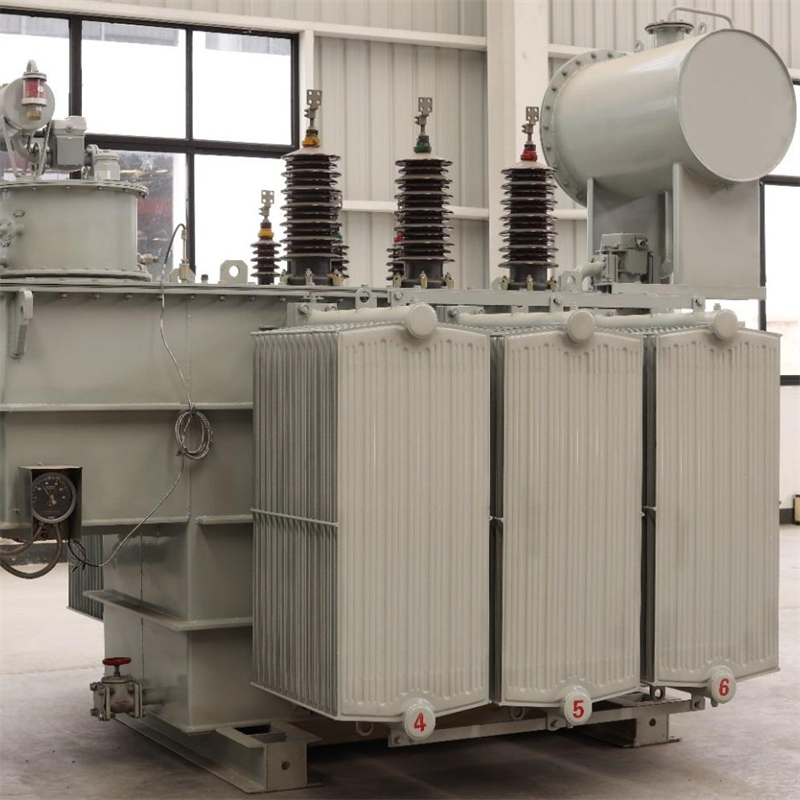
Epoxy Bushing for Transformer Applications

application/epoxy-bushing-for-transformer, application/epoxy-bushing-for-transformer, 
Inquiry
application/epoxy-bushing-for-transformer, application/epoxy-bushing-for-transformer, 
Inquiry

epoxy bushing for transformer

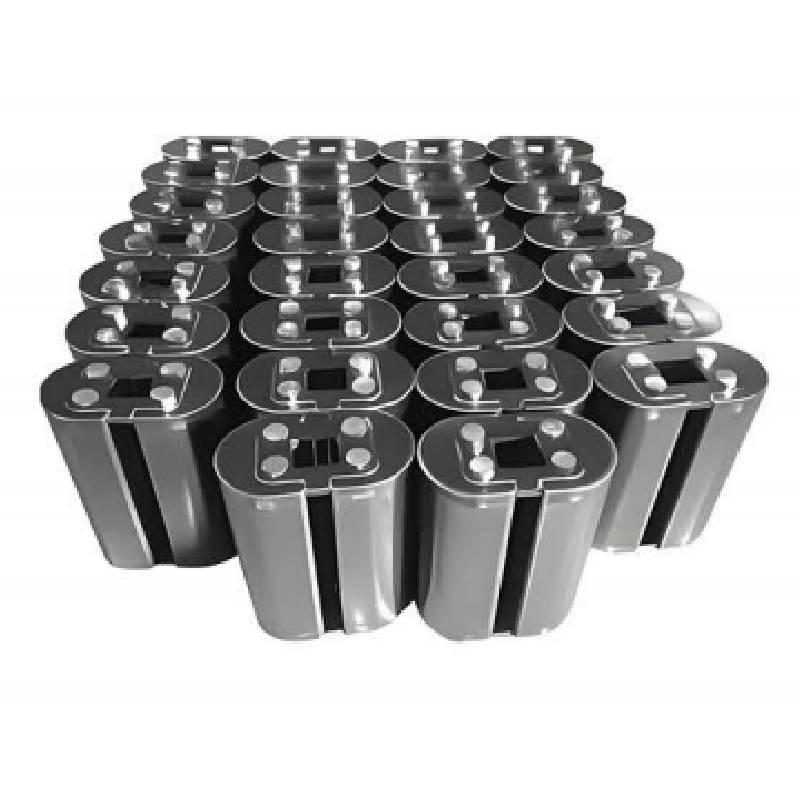
Epoxy bushings  for  transformers play a  crucial role  in ensuring the  reliable operation of  electrical equipment in various applications.  As a B2B buyer, your main  concerns  likely revolve around  product specifications, performance,  compatibility,  and  cost-effectiveness. This article will  guide  you through the essential aspects of selecting and purchasing epoxy bushings for  transformers, addressing  common buyer questions  and providing practical insights  for making informed decisions.

 
Understanding the Cost Factors of Epoxy Bushings in Bulk Purchases

Understanding the Cost Factors of Epoxy Bushings in Bulk Purchases

When purchasing epoxy bushings  in bulk, several cost factors should be  evaluated to  ensure you receive the best value for  your investment:

Material Costs: The quality  of the epoxy resin significantly affects pricing. Higher-quality materials may have a higher upfront cost but can lead  to reduced maintenance  and replacement costs over  time.

Customization Requirements: If your application requires  specific dimensions or configurations, customization can increase costs. Discuss your  specifications with the  manufacturer  to understand how these requirements impact pricing.

Production Volume: Bulk  purchases often come with cost advantages, but it's essential to confirm the minimum  order quantities (MOQs) with your supplier. Larger orders may qualify for discounts or more favorable terms.

Shipping and Handling: Consider  transportation  costs, especially if you are  importing from  international suppliers. Ensure that shipping options and  timelines align  with your project schedules.

Common Problems with Epoxy Bushings and Effective Solutions

Common Problems with Epoxy Bushings and Effective Solutions

Despite their durability, epoxy bushings can  encounter several issues during their lifespan. Recognizing these problems and their solutions can help you maintain optimal performance:

Moisture Ingress: One of  the  most  common problems is moisture  penetration, which  can compromise the insulation properties of the  epoxy. To  mitigate this, ensure that  the bushing is  correctly  sealed during installation, and consider using moisture-resistant coatings for enhanced protection.

Thermal Stress: High temperatures can lead  to epoxy degradation, causing insulation  failure. Choose  bushings designed for high-temperature  applications, and monitor operating temperatures to prevent overheating.

Mechanical Damage: Physical impacts during installation or operation can lead to cracks or breaks  in the epoxy bushing. Implement proper handling procedures and  protective packaging during transportation  to minimize  the  risk of damage.

Benefits of Using High-Quality Epoxy Bushings for Transformer Durability

Benefits of Using High-Quality Epoxy Bushings for Transformer Durability

Investing in  high-quality epoxy  bushings offers several advantages that contribute to the longevity and reliability of transformers:

Enhanced Insulation Performance: High-quality epoxy materials typically exhibit superior dielectric strength, reducing the risk of electrical failures and short circuits.


Resistance  to Environmental Factors: Premium epoxy formulations are often  designed to withstand harsh environmental conditions, including UV exposure, moisture, and temperature fluctuations, ensuring long-term durability.


Reduced Maintenance Costs: By using reliable,  high-performance  bushings,  you can  minimize the frequency of replacements  and repairs,  leading  to lower operational  costs over time.


Improved  Safety: High-quality bushings contribute to overall safety by providing  effective insulation, reducing the  risk of electrical hazards  in transformer applications.


Comparing Epoxy Bushing Options for Different Transformer Models

When comparing epoxy bushing options, it’s essential  to align your choices with the specific transformer models in use. Each model may have distinct requirements based on its design and operational parameters:


Voltage Ratings:  Ensure the  epoxy bushing matches the voltage requirements of the transformer. For high-voltage applications, bushings with higher dielectric strength are necessary.

Physical  Dimensions: Different transformers may require various bushing sizes and shapes. Confirm the dimensions and mounting configurations to ensure compatibility with your equipment.

Performance  Specifications: Review the technical parameters of each bushing option, such as thermal  conductivity, moisture absorption, and mechanical  strength. This information will help  you identify the best fit for your transformer.

Supplier Expertise: Work with suppliers who have experience in  providing epoxy bushings for your specific transformer types. Their insights can guide you toward making informed decisions  that meet your operational needs.

By considering  these aspects, you can enhance your knowledge and decision-making process when sourcing  epoxy bushings for transformers. Understanding the intricacies  of  material selection, cost factors, potential problems, and performance benefits will empower  you to choose the  right products for  your operational  requirements.


Choosing the Right Epoxy Bushing for Transformer Applications

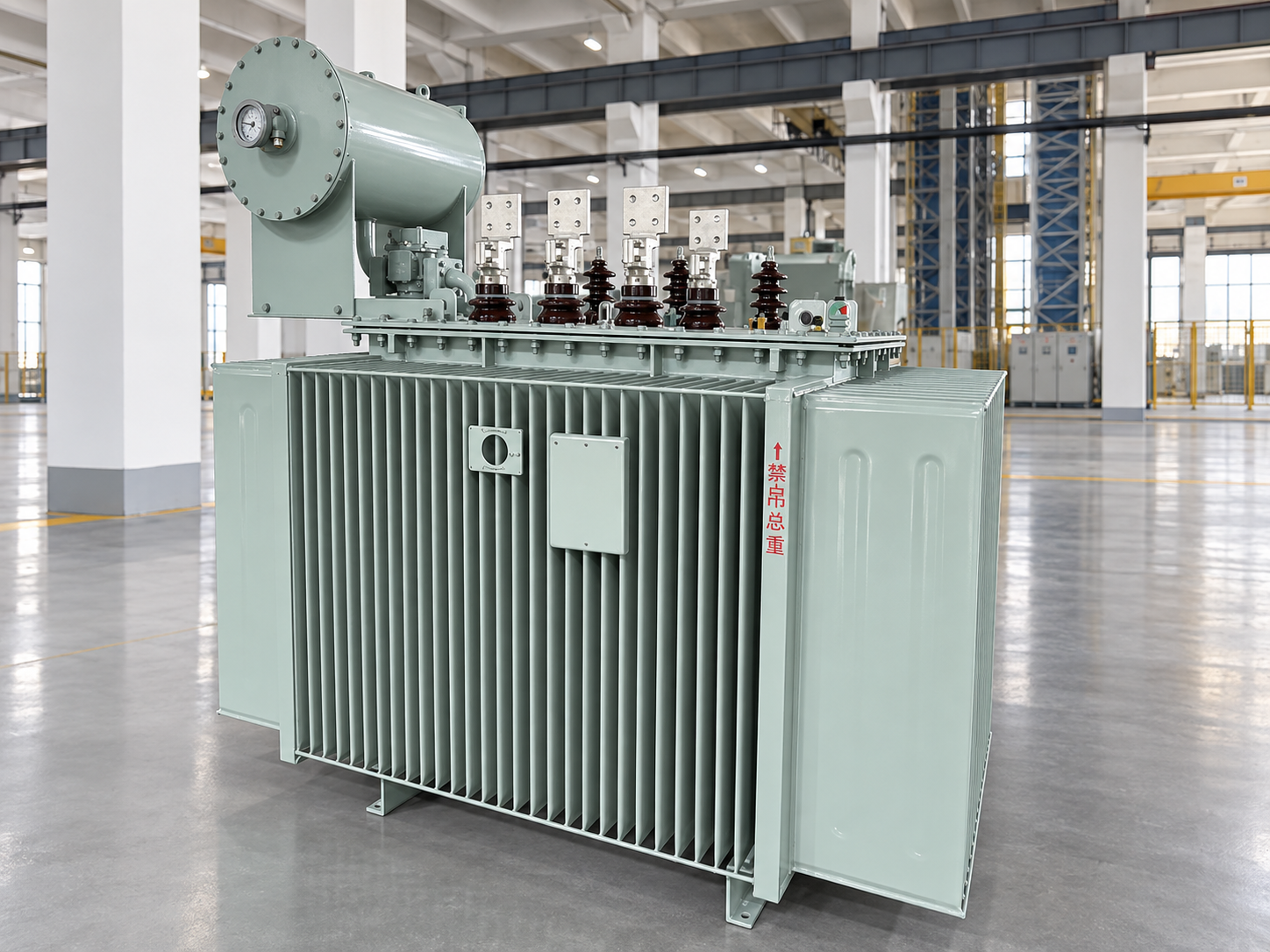
When selecting an epoxy bushing for transformer applications, it's essential to consider several factors,  including material properties,  electrical insulation performance, and mechanical strength. The primary function of an  epoxy bushing  is  to provide a reliable electrical insulation barrier and  mechanical support  for conductors, ensuring safe and effective operation in high-voltage environments. Additionally, the choice of bushings can vary significantly based on the transformer type, such as Oil-Immersed Transformers, which require specific considerations.

Material Selection: Epoxy resin is  the most common material used for bushings due to its excellent electrical insulation  properties and  resistance to environmental factors.  Ensure that the epoxy used meets industry standards  for dielectric strength and thermal stability, as these properties directly impact the bushing's performance and lifespan.

Electrical and Mechanical Specifications: It’s vital to verify  the bushing's voltage rating, insulation thickness, and mechanical  strength. Higher  voltage applications may require thicker insulation layers to  withstand electrical  stress. Additionally, consider the bushing's ability to handle thermal expansion and contraction, especially in varying  environmental conditions. For example, 10-35kV applications may demand specific insulation requirements.

Application Compatibility: Ensure the bushing’s design is  compatible with the specific transformer model and its operational environment. Factors such as temperature range, humidity levels, and exposure to chemicals  should influence your selection process.

Get a Free Quote

Our representative will contact you soon.
0/1000