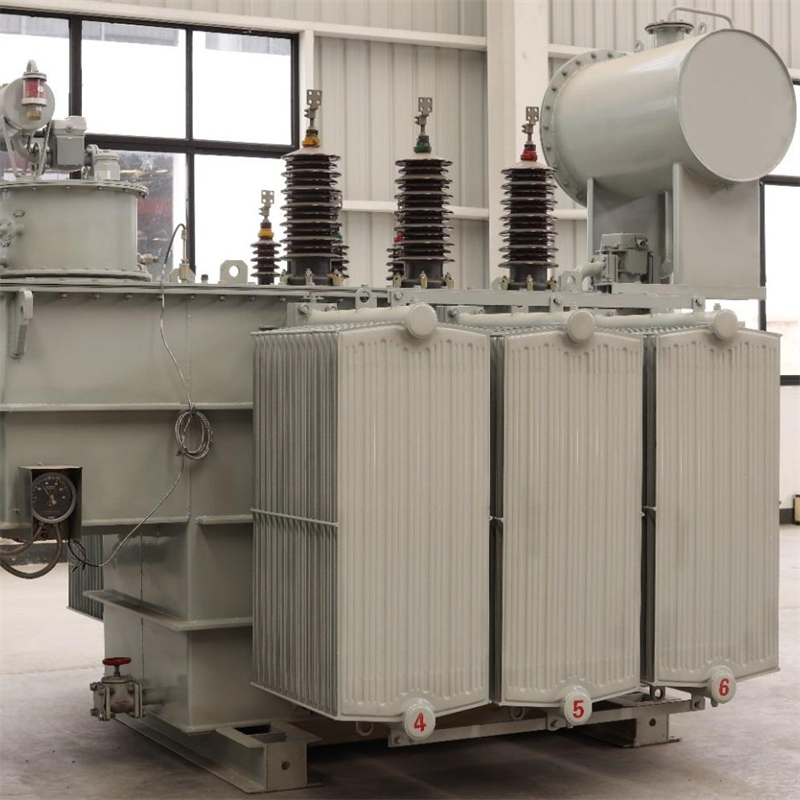
Key Specifications of Galvanic Isolation Transformers

application/galvanic-isolation-transformer, application/galvanic-isolation-transformer, 
Inquiry
application/galvanic-isolation-transformer, application/galvanic-isolation-transformer, 
Inquiry

galvanic isolation transformer

Galvanic isolation transformers are essential  components in  various electrical systems, providing critical separation  between  different voltage levels  and ensuring safety in operations. These transformers help  to prevent electrical shock, protect sensitive  equipment, and  reduce  electromagnetic interference. As a B2B buyer,  understanding the specifications, potential issues, and applications  of galvanic isolation  transformers is vital  for  making informed purchasing decisions. This article will guide  you  through key specifications, supplier evaluation, cost factors,  common problems,  and industrial applications related  to galvanic isolation  transformers.

Finding Reliable Suppliers for Transformers

Finding Reliable Suppliers for Transformers

Identifying  a trustworthy supplier for galvanic isolation transformers involves several essential steps:

Industry Experience: Look for suppliers  with a proven track record in manufacturing transformers, particularly in your required specifications and  applications. Experience often correlates with quality and  reliability.

Certifications: Verify that suppliers  hold relevant certifications,  such as ISO or IEC compliance.  These certifications  indicate adherence to  quality management standards.

Customization Capabilities: Since many applications  require specific transformer designs, assess whether  suppliers can provide customized solutions tailored to your needs. For example, transformers like Dry‑Type Transformers may be necessary for certain applications.

Technical Support:  A supplier should offer comprehensive technical support, including assistance with installation,  maintenance, and troubleshooting.

References and Reviews: Request references from  other customers and check online reviews to gain insights into the supplier's reputation and reliability.

Production Capacity: Ensure the supplier has the capacity to meet your order  size and  delivery timeline, especially if you  anticipate larger volumes in the future.

By carefully evaluating suppliers based on these criteria, you can establish a reliable partnership that  meets your galvanic isolation  transformer needs.

Understanding the Cost Factors of Galvanic Isolation Transformers

Understanding the Cost Factors of Galvanic Isolation Transformers

The cost  of galvanic isolation transformers can  vary significantly based on  multiple factors:

Material Quality: The choice  of materials used in the transformer construction can impact both performance and cost. High-grade copper windings, for  instance, may be more expensive but offer better  efficiency and longevity.

Design Complexity: Custom designs or transformers  with  higher  isolation voltages may require more intricate manufacturing processes, which can  increase costs.

Power and Voltage  Ratings: Higher  power ratings and voltage capabilities often lead  to increased material costs and  manufacturing complexity, affecting the  overall price.

Market Demand: Fluctuations in demand can influence pricing. Suppliers may  adjust their prices based on current market conditions.

Volume Discounts: Ordering in  bulk often leads to cost savings. Discuss potential pricing models with your supplier based on your anticipated order quantities.

Shipping and Handling: Consider additional costs associated with transporting the transformers, especially for international  orders. These  can include tariffs, freight costs, and packaging requirements.

By understanding these cost factors, you can better manage your budget and negotiate favorable terms  with suppliers.

Common Problems with Galvanic Isolation Transformers and Solutions

Common Problems with Galvanic Isolation Transformers and Solutions

Despite their  robustness,  galvanic isolation transformers can  encounter several common issues:

Overheating: Transformers can overheat due to insufficient cooling or excessive load. Ensure that the transformer is adequately rated for the application and  consider implementing temperature monitoring systems.

Insulation Failure: Insulation breakdown can lead to transformer failure. Regular maintenance and checks on insulation integrity are essential, especially in high-voltage applications.

Electromagnetic Interference (EMI): Transformers may introduce  EMI, affecting sensitive equipment. Utilizing shielded transformers or implementing proper grounding techniques can mitigate these effects.

Noise Levels: Some transformers can produce  significant  noise during operation. Selecting  transformers designed  for low-noise operation or incorporating sound-dampening materials in the installation can help  address this  concern.

Voltage Fluctuations: Poor voltage regulation can lead to performance issues. Ensure that the transformer is appropriately  rated and  consider using voltage stabilizers if  needed.

Addressing  these  common problems  through  careful  selection, regular maintenance, and proper installation practices can enhance  the longevity and reliability of galvanic isolation transformers.

Applications of Galvanic Isolation Transformers in Industrial Settings

Galvanic isolation transformers find  extensive applications across various industrial sectors:

Power Distribution: They are widely used in  electrical substations and power distribution systems to provide isolation between  high-voltage lines and low-voltage equipment, enhancing safety and  reliability.

Renewable Energy Systems: In  solar  and wind energy applications, these transformers help to connect renewable energy sources to the grid while ensuring electrical isolation  and  protection.

Medical Equipment: In healthcare, galvanic isolation transformers are essential in medical devices to protect patients and sensitive electronics from electrical faults.

Industrial Automation: These transformers are crucial in automation systems to isolate control circuits from  power circuits, preventing  interference and ensuring operational safety.

Telecommunications: In telecom installations, they  provide necessary isolation to protect sensitive communication equipment  from voltage spikes  and fluctuations. When selecting transformers for such applications, consider options like Pad Mount Transformers for optimal results.

Understanding these applications will assist buyers in selecting the right transformer for specific industrial  needs, ensuring  optimal performance and safety.

By equipping  yourself with knowledge about galvanic isolation transformers, their  specifications, potential issues, and applications, you can make  informed purchasing decisions  that align with your operational requirements.

Key Specifications to Evaluate in Galvanic Isolation Transformers

When assessing galvanic isolation transformers, several key specifications should be considered to ensure they meet your operational requirements:

Voltage  Rating: Determine the input and output voltage levels required  for your application. Transformers must be rated  for the specific voltages they will handle to ensure safety and functionality.

Power Rating (kVA): The power rating indicates the maximum load the transformer can handle. Assess your application’s needs and ensure  the transformer can support the required power without  overheating.

Frequency: Transformers are  designed for specific frequency ranges (e.g., 50Hz or 60Hz). Ensure compatibility with your electrical systems to avoid operational issues.

Isolation Voltage: This specification indicates the maximum voltage that can be applied between the primary and secondary windings without breakdown. A higher isolation voltage provides better safety against  surges.

Temperature Rating: Transformers operate efficiently within specified temperature  ranges.  Knowing the ambient conditions of your  installation site helps in selecting the right cooling method and transformer  type.

Efficiency: Efficiency  ratings indicate how much energy is lost as heat during operation. Higher efficiency  transformers reduce operational costs  over time.

Regulatory  Compliance: Ensure that the  transformers meet relevant industry standards and certifications, such as IEC or UL, which guarantee safety  and  performance.

Understanding these specifications will  help you evaluate potential products and align them with  your operational needs.

Get a Free Quote

Our representative will contact you soon.
0/1000