Power Transformer 220V to 110V: Key Considerations

application/power-transformer-220v-to-110v, application/power-transformer-220v-to-110v, 
Inquiry
application/power-transformer-220v-to-110v, application/power-transformer-220v-to-110v, 
Inquiry

power transformer 220v to 110v

Power  transformers are essential  components  in electrical  systems, facilitating voltage conversion to ensure optimal  performance and safety. Specifically,  a power transformer 220V to 110V allows for the  efficient transfer of electrical energy between different voltage  levels,  which is crucial  for various  applications in industrial, commercial, and  renewable energy  sectors. In  this  guide,  we will explore  key considerations for sourcing these transformers, including supplier evaluation,  specifications, installation guidance,  cost factors, and common issues that may  arise.

Understanding the Specifications of Power Transformers 220V to 110V

Understanding the Specifications of Power Transformers 220V to 110V

The specifications  of a power transformer 220V to 110V are crucial for ensuring it meets the  needs of your application. Key specifications  include:

<strong>Power&nbsp; Rating</strong>: Measured in kilovolt-amperes (kVA), this indicates&nbsp; the maximum load&nbsp; the transformer can handle. It is essential&nbsp; to match the power rating with your operational requirements to&nbsp; prevent overheating or failure.

<strong>Efficiency</strong>: This represents how much input power is converted to output power.&nbsp; Higher efficiency reduces energy loss, which is particularly important for long-term operational cost savings.

<strong>Impedance</strong>: This affects voltage regulation and&nbsp; short-circuit behavior. A transformer&nbsp; with appropriate impedance&nbsp; will help maintain voltage levels during load changes.

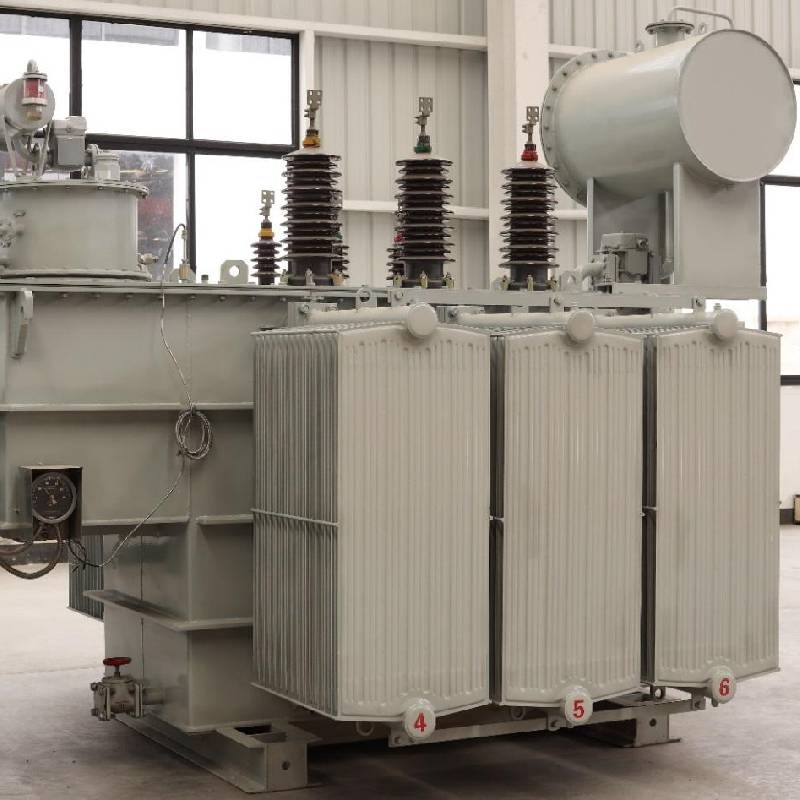
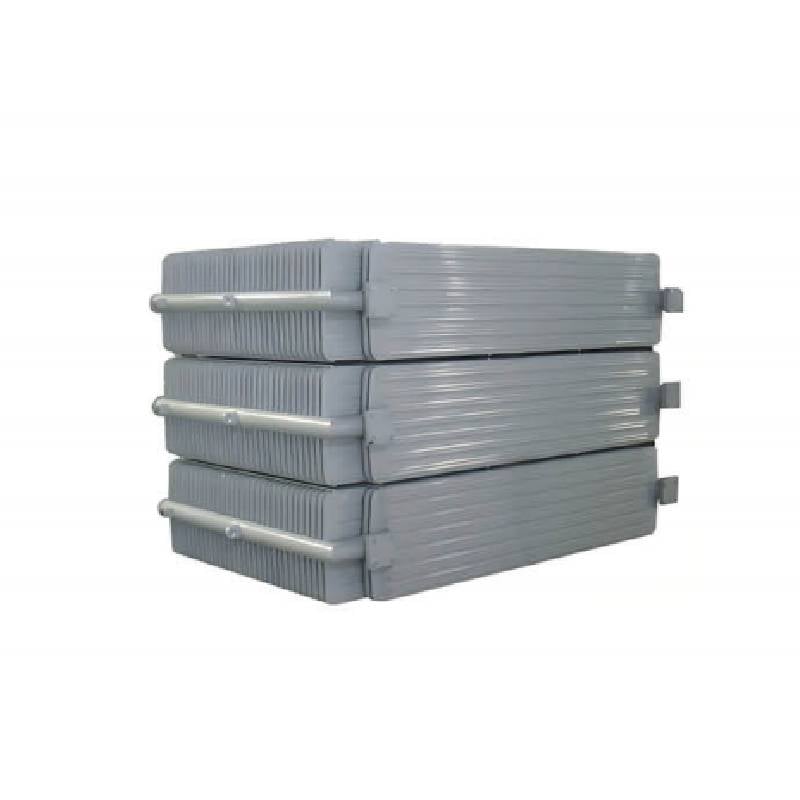
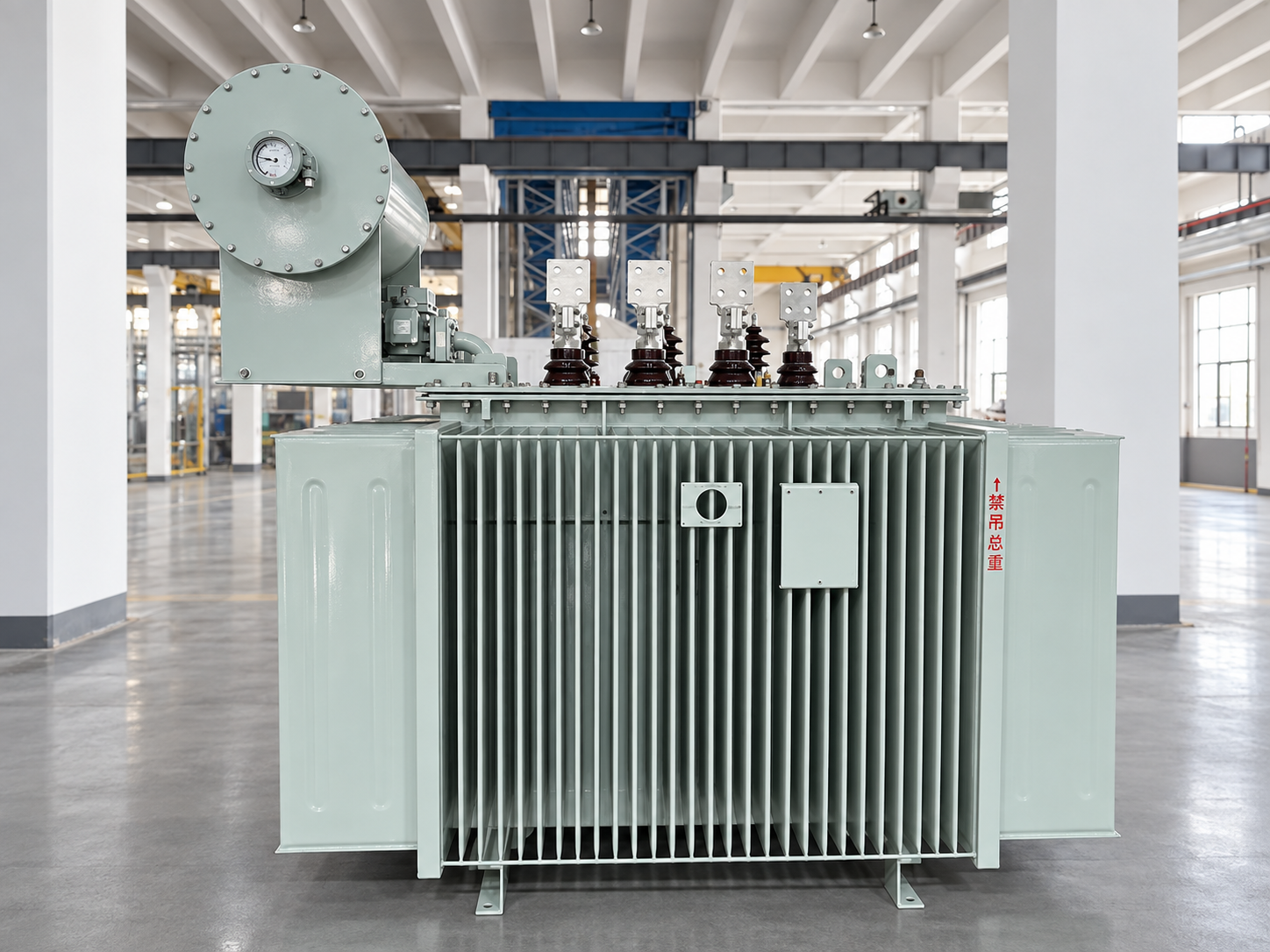
<strong>Cooling Method</strong>: Transformers may use air or oil for cooling. Understanding the cooling&nbsp; method is vital for installation and&nbsp; maintenance considerations, as it affects the transformer's&nbsp; operational environment&nbsp; and longevity. For oil-cooled solutions, consider looking into Oil‑Immersed Transformers.


Assessing these specifications&nbsp; ensures&nbsp; that the transformer will perform effectively in your specific application, whether it's&nbsp; for industrial equipment, commercial use, or renewable energy systems.

Installation Guidance for Power Transformers 220V to 110V Systems

Installation Guidance for Power Transformers 220V to 110V Systems

Proper installation of power transformers 220V to 110V is vital for optimal performance and safety. Here are some key installation considerations:

<strong>Site Preparation</strong>: Ensure the installation site is&nbsp; adequately prepared to support the&nbsp; transformer’s&nbsp; weight and dimensions. Consider factors such as accessibility for maintenance and compliance with local regulations.

<strong>Electrical Connections</strong>: Follow the manufacturer's guidelines for making electrical connections. Ensure that the input and output connections are secure and that the wiring is appropriate&nbsp; for the transformer's specifications.

<strong>Grounding</strong>:&nbsp; Proper grounding is&nbsp; essential&nbsp; to protect against electrical faults&nbsp; and ensure safety. Verify that grounding connections meet local electrical codes and&nbsp; standards.

<strong>Testing</strong>: Before&nbsp; putting the&nbsp; transformer into operation, conduct thorough testing to&nbsp; ensure that it functions as intended.&nbsp; This may&nbsp; include&nbsp; insulation resistance tests and&nbsp; functional tests to confirm that voltage&nbsp; levels are within the&nbsp; required specifications.


By adhering to these installation guidelines, you can enhance the reliability and longevity&nbsp; of your power transformer systems.

Cost Factors to Consider When Sourcing Power Transformers 220V to 110V

Cost Factors to Consider When Sourcing Power Transformers 220V to 110V

The cost&nbsp; of power transformers 220V to 110V&nbsp; can vary significantly based on several factors. Understanding these&nbsp; can help you budget effectively:

<strong>Specifications and Customization</strong>: The complexity of the transformer—such as power rating,&nbsp; efficiency, and additional features—will influence the price. Custom transformers designed for specific applications may incur higher costs.

<strong>Material&nbsp; Quality</strong>: The choice of materials used in manufacturing, such as copper versus aluminum wiring, can&nbsp; impact&nbsp; both performance and cost. Higher-quality materials typically lead to better&nbsp; efficiency and durability.


<strong>Production Volume</strong>: Ordering larger quantities may lead to bulk pricing discounts. Conversely, low minimum&nbsp; order quantities&nbsp; (MOQs) can result in higher per-unit costs.

<strong>Shipping and Handling</strong>: Consider&nbsp; transportation costs, especially for international shipments. Factors such as packaging methods and delivery times can also affect the total cost.

<strong>Supplier&nbsp; Reputation</strong>: Established suppliers might charge a premium&nbsp; for their products&nbsp; due to their proven reliability and&nbsp; quality assurance processes. It’s essential to weigh the cost against the potential risks of&nbsp; lower-quality alternatives.

By considering these factors, you can make&nbsp; informed decisions that align with&nbsp; your budget and&nbsp; operational needs.

Common Problems with Power Transformers 220V to 110V and Solutions

While power transformers&nbsp; 220V to 110V are generally&nbsp; reliable, certain issues may arise during their operation.&nbsp; Here are some common problems and recommended solutions:

<strong>Overheating</strong>: This can occur due&nbsp; to excessive load or inadequate cooling. Ensure that the&nbsp; transformer’s&nbsp; power rating matches the load requirements, and verify that the cooling system is functioning correctly. Regular maintenance checks can help identify overheating issues early.

<strong>Voltage Fluctuations</strong>: Inconsistent&nbsp; voltage levels can&nbsp; indicate&nbsp; problems with the transformer or the electrical supply. Monitoring systems can help identify the cause, whether it's a faulty transformer or external factors&nbsp; affecting the&nbsp; supply.

<strong>Noise and Vibration</strong>:&nbsp; Unusual sounds or vibrations may&nbsp; suggest mechanical issues or loose components. Conduct inspections of the&nbsp; transformer and surrounding infrastructure to ensure everything is&nbsp; secure and functioning properly.

<strong>Insulation Failure</strong>: Deterioration of insulation can lead to short circuits or other failures. Regular&nbsp; insulation testing can help identify weaknesses before they lead to significant issues.

By being aware of these common problems and their solutions, you can proactively maintain&nbsp; your power transformers and ensure reliable operation. </p>

By understanding these critical aspects of power transformers 220V to 110V, you can make informed decisions when sourcing, installing, and maintaining these essential components in your&nbsp; electrical&nbsp; systems.

What to Look for in a Power Transformer 220V to 110V Supplier

When selecting a supplier for power transformers 220V&nbsp; to 110V, several&nbsp; critical factors should be considered. First, ensure the manufacturer is ISO-certified&nbsp; and&nbsp; adheres to&nbsp; international standards, such as IEC certifications, which validate the&nbsp; quality and reliability of&nbsp; their products. Additionally, consider looking into Dry‑Type Transformers, which are known for their safety and reliability in various applications.

Next, evaluate their manufacturing capabilities.&nbsp; A reputable supplier should have advanced&nbsp; production equipment and&nbsp; the capacity to handle custom&nbsp; orders tailored to specific applications. Additionally, inquire about their quality control processes. A robust quality assurance system is&nbsp; essential&nbsp; for minimizing defects and ensuring&nbsp; that the transformers meet operational requirements.

Finally, consider the supplier's experience&nbsp; and&nbsp; reputation in the industry. Established manufacturers often have a track record of successful projects and satisfied customers,&nbsp; which can provide&nbsp; peace&nbsp; of mind&nbsp; when making your selection.

Get a Free Quote

Our representative will contact you soon.
0/1000