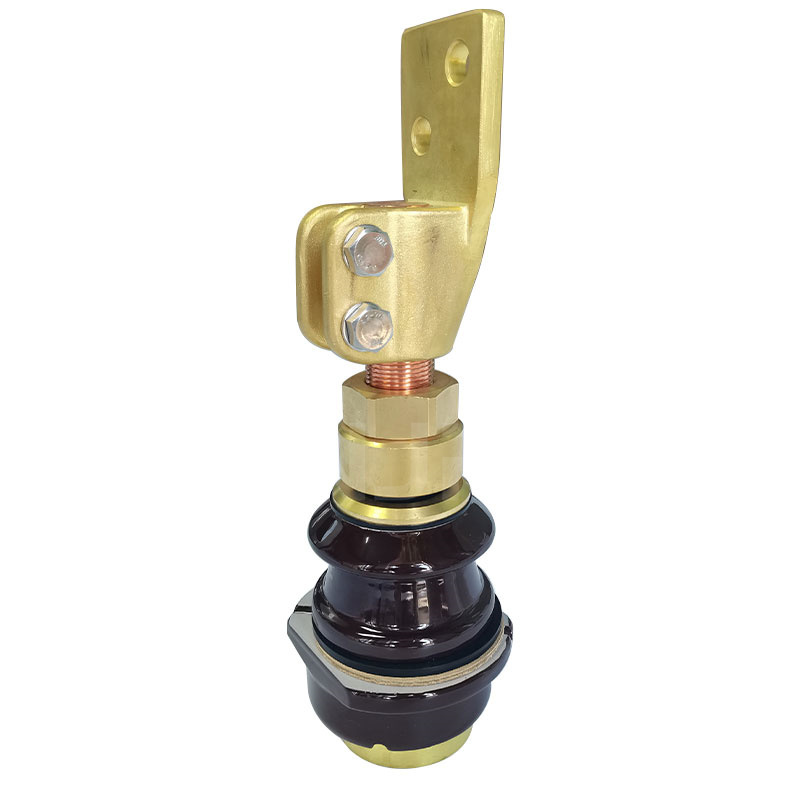
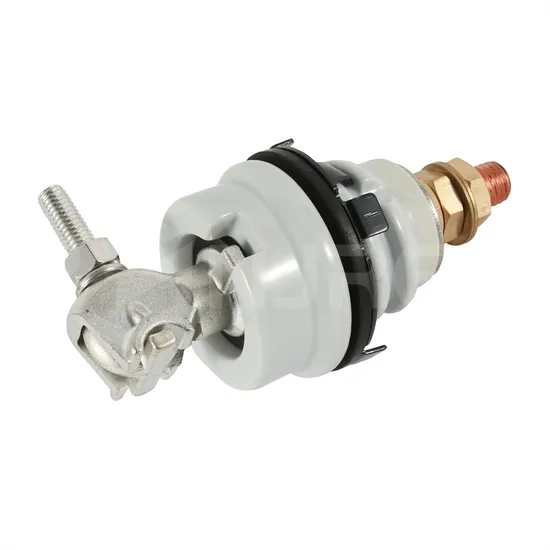
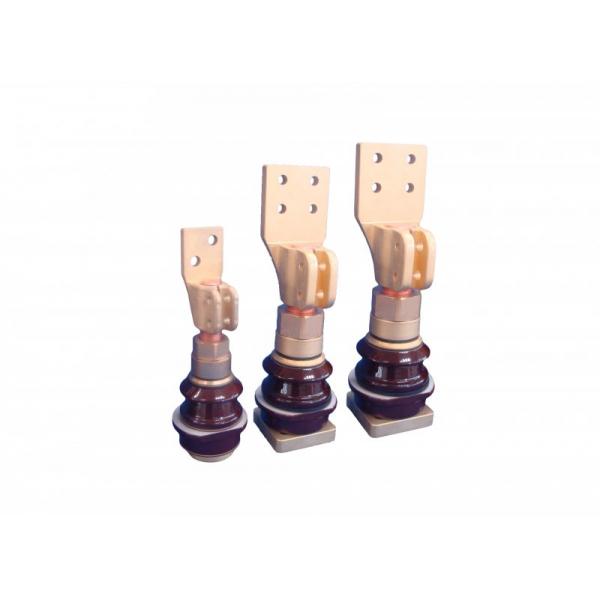
Single Bushing Transformer Specifications and Costs

application/single-bushing-transformer, application/single-bushing-transformer, 
Inquiry
application/single-bushing-transformer, application/single-bushing-transformer, 
Inquiry

single bushing transformer

Single bushing transformers are essential  components in electrical power distribution, particularly in substations and industrial  applications. These transformers facilitate  the connection  of high-voltage lines to  lower voltage systems  while ensuring safety and efficiency.  As a B2B buyer, your primary concerns may  include  product specifications, quality  assurance, cost-effectiveness, and  reliability. This article aims to provide  you with practical  insights into  single  bushing transformers, covering  key quality indicators, cost  considerations, best  practices, common issues, and their  applications in power generation projects.

 
Cost Considerations When Purchasing Single Bushing Transformers in Bulk

Cost Considerations When Purchasing Single Bushing Transformers in Bulk

When purchasing single bushing  transformers in bulk, various cost factors must be taken into account to secure the best deal:

Unit  Pricing:  Bulk orders often qualify for discounted pricing. However, it’s essential to assess the total cost of ownership, which includes installation, maintenance, and operational efficiency, rather than  just the upfront cost.

Lead Time and Delivery Costs:  Longer lead times  can result in increased project costs due to  delays. It's crucial to understand the manufacturer's capabilities regarding production timelines and shipping  logistics to avoid unexpected expenses.

Customization Costs: Custom features may incur additional costs. It's advisable to clearly outline  your requirements during the RFQ  process to get accurate pricing.

Warranty and After-Sales Support: Ensure that the purchase includes a warranty that  covers defects  and performance issues. After-sales support is also an essential aspect that can  affect  long-term operational costs.

Regulatory Compliance:  Products that  meet local and international regulatory requirements  may carry a premium. However, investing in compliant  products can prevent  potential fines and  operational disruptions in the future.

Best Practices

Best Practices

To  ensure a successful procurement process for single bushing transformers, consider the following best practices:

Detailed  RFQ Preparation: When requesting quotations, provide comprehensive information, including  specifications, application  details, expected performance, and any customization requirements. This clarity helps suppliers provide accurate proposals.

Sample Approval: Before mass production, insist on reviewing a prototype or sample.  This  step allows you to evaluate dimensions, fit, and performance  under  actual operating conditions, thereby mitigating risks  of functional  failure.

Supplier Evaluation: Assess potential suppliers based on their manufacturing  capabilities, quality control processes, and industry  reputation. A thorough evaluation can prevent issues related to reliability and service quality.

Regular  Communication:  Maintain open lines of communication with your supplier throughout the production process.  Regular updates and discussions on any potential  challenges  can foster a collaborative approach to problem-solving.

Post-Installation Testing: After installation, conduct performance tests  to verify that the transformer operates within the expected  parameters. This step can help identify any  issues early on.

Common Problems with Single Bushing Transformers and Their Solutions

Common Problems with Single Bushing Transformers and Their Solutions

Single bushing transformers, like any  equipment, can encounter several common issues.  Understanding  these problems along with  their  solutions can enhance reliability:

Insulation Failure: Insulation  breakdown can occur due to environmental stress or  manufacturing  defects. To mitigate this risk, ensure  that the insulation material meets the necessary standards for your application and perform regular dielectric testing.

Overheating: Transformers can overheat due to excessive load  or insufficient cooling. It is crucial to monitor load conditions and ensure adequate  cooling mechanisms, such  as proper ventilation and thermal management systems, are in place.

Leakage Currents: Leakage currents can lead to safety hazards and operational  inefficiencies.  Regular maintenance checks can help identify and rectify issues related to insulation degradation or connection failures.

Mechanical Failures: Vibration and mechanical  stresses can result in equipment  malfunctions. Implementing vibration  dampening solutions and conducting routine inspections can help in preventing these issues.

Poor Load Regulation: Inconsistent voltage output can  affect system performance. To  address this, ensure that the transformer’s specifications align with the application requirements, and consider using voltage regulation technologies  if necessary.

Applications of Single Bushing Transformers in Power Generation Projects

Single  bushing  transformers are widely used  in  various  power generation projects, including:

Renewable Energy Systems: These transformers facilitate the integration of renewable energy sources, such as wind and  solar, into the power grid. Their ability to handle variable loads and maintain efficiency makes them suitable for this application.

Industrial Power Systems: In manufacturing and industrial settings, single bushing transformers ensure the reliable distribution of power  to machinery and equipment. Their robust design is essential for maintaining operational continuity  in high-demand  environments.

Substation Applications: Single bushing transformers are pivotal  in substations, connecting high-voltage transmission lines  to lower voltage distribution systems. Their role is critical in ensuring safe and efficient power transfer.

Commercial Projects: In commercial buildings,  these transformers help manage power distribution and can be customized based  on the  building's electrical load requirements. This adaptability enhances energy efficiency and operational  reliability.

Grid Stabilization: In power grids, single bushing transformers contribute to voltage stabilization and load management, ensuring that the electrical supply remains consistent and reliable.

By understanding the key indicators of quality, cost considerations, best practices, common problems, and specific applications of single bushing transformers,  B2B buyers can  make informed purchasing decisions  that align  with their operational needs  and project requirements.

Key Quality Indicators for Single Bushing Transformers in Manufacturing

When assessing the quality of single bushing transformers, several critical indicators should be prioritized:

Material  Quality: The choice  of materials, such as core construction and insulation types, directly impacts  the transformer's efficiency and lifespan. High-grade materials can withstand operational stresses and environmental conditions, reducing the likelihood of failure.

Design and  Construction Standards: Adhering to international standards, such as IEC  certifications, ensures that the transformers meet  reliability and safety benchmarks. Manufacturers that demonstrate compliance with  these standards can provide a level of assurance regarding performance.

Electrical Specifications: Key specifications such as voltage rating, frequency, and power  capacity must be confirmed. For instance, transformers designed for 220kV applications need to uphold stringent  operational and performance  metrics to ensure  safe and effective distribution.

Testing Protocols: Robust  quality control processes,  including factory  acceptance tests (FAT) and routine tests, are vital.  These tests should verify the transformer's  efficiency,  insulation resistance, and mechanical integrity before delivery.

Customization Capabilities: The ability to customize transformers based on specific application requirements can significantly enhance their performance. Discussing customization  options with the manufacturer can  yield better alignment with your  operational needs.

Get a Free Quote

Our representative will contact you soon.
0/1000