Choosing the Right Transformer HV Bushing

application/transformer-hv-bushing, application/transformer-hv-bushing, 
Inquiry
application/transformer-hv-bushing, application/transformer-hv-bushing, 
Inquiry

transformer hv bushing

Understanding transformer HV  bushings  is crucial for any project involving  power distribution and electrical  infrastructure. These components serve as  insulators and connectors between the  transformer  and high-voltage  lines, ensuring  safe and efficient  operation.  As a  B2B buyer, your main concerns  may include material  quality, compatibility with existing equipment, supplier reliability, and overall costs. This article will guide you in selecting the right transformer  HV bushing for your needs,  evaluating  suppliers,  understanding cost factors,  and addressing common  issues.

How to Evaluate Supplier Reliability for Transformer HV Bushings

How to Evaluate Supplier Reliability for Transformer HV Bushings

Choosing a reliable  supplier for transformer HV bushings is vital to ensuring  quality and performance. Here are some criteria to evaluate potential suppliers:

Industry Experience:  Assess the supplier's experience in manufacturing HV bushings. A company with a proven track record and a portfolio of successful projects in your industry is more likely to deliver reliable products.

Certifications and Standards: Check for relevant  certifications, such as IEC or ANSI compliance, which indicate adherence to international quality standards. This can provide assurance about the product's  reliability and safety.

Quality Control Processes: Understand the supplier's quality control measures. Inquire about their testing  procedures and whether they conduct regular inspections  during production. A  thorough quality control process can prevent  defects and  ensure consistent  performance.

Customer Feedback: Look for customer testimonials  or case studies that demonstrate  the supplier's ability to deliver  on promises. Engaging with past clients can provide insights into their experiences and satisfaction with  the products.

Technical Support: Evaluate the level of technical support the supplier offers. A supplier that can provide guidance on installation, maintenance, and  troubleshooting can be  invaluable, especially during  the initial  stages of using the product.

 
Cost Factors to Consider When Purchasing HV Bushings in Bulk

Cost Factors to Consider When Purchasing HV Bushings in Bulk

When purchasing HV  bushings in  bulk, understanding the cost structure is crucial to managing your budget effectively. Here are key factors that influence pricing:

Material Costs: The type of material used for  the bushings  significantly affects the overall cost. Higher-quality materials, such  as advanced  composites, may incur higher initial costs but  can offer better durability  and performance over time.

Production Volume: Bulk purchases  often come  with discounts. However, the minimum  order quantity (MOQ) and production capacity should align  with your project needs to optimize cost savings.

Customization: Customized products typically carry higher costs  due to the additional design and manufacturing processes  involved.  Clearly defining  your requirements can help avoid unforeseen expenses.

Logistics and Shipping: Consider shipping costs, especially if your supplier is  located internationally. Factors such as shipping method, delivery time, and  customs duties can impact the total cost.

Lead Times: Longer  lead times can delay project timelines and incur additional costs. Confirm the supplier's production schedule to ensure timely  delivery and avoid potential disruptions.

A Complete Overview

A Complete Overview

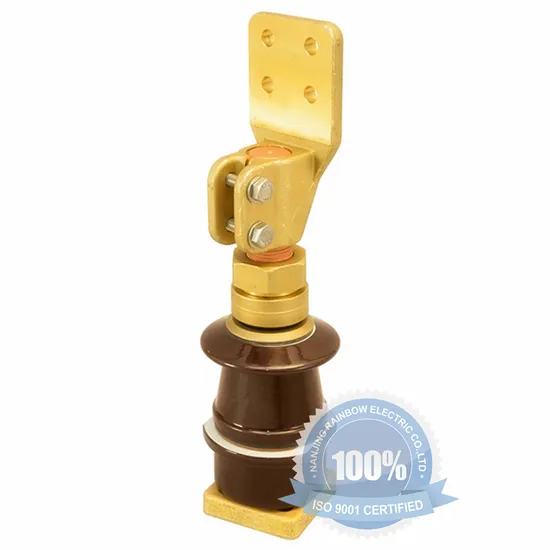
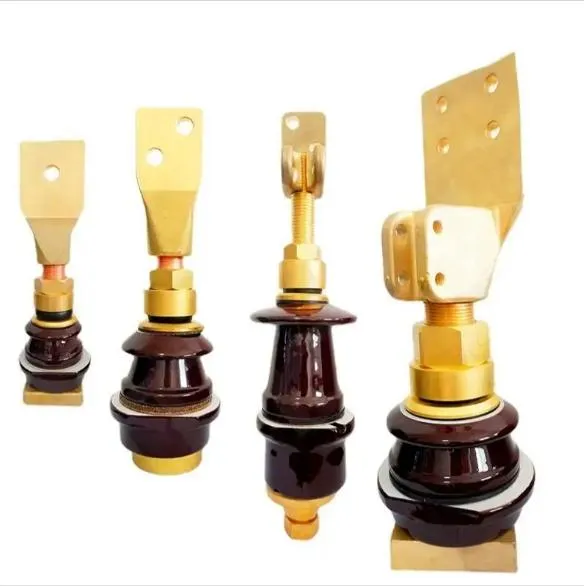
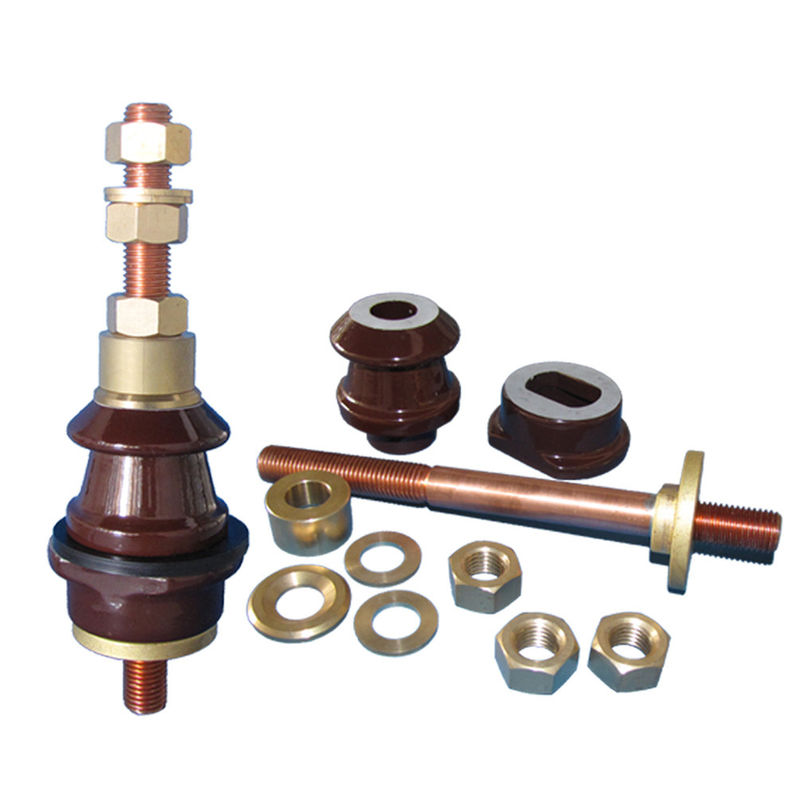
Transformer HV  bushings are critical components in electrical systems,  connecting transformers to high-voltage  networks while providing electrical insulation. They typically  consist of  a  core made from insulating  materials and  a conductive element to facilitate the  electrical connection. Their primary functions include:

Electrical Insulation:  Preventing electrical discharges between the high-voltage  lines  and the transformer. Mechanical Support: Bearing the  weight of the  high-voltage  conductor and maintaining structural integrity. Environmental Protection: Safeguarding internal components from moisture,  dust, and other environmental factors.

Quality HV  bushings are designed to  withstand  harsh operating conditions, including extreme temperatures and varying  humidity levels, ensuring reliable performance throughout their operational life.

Common Problems with HV Bushings and Effective Solutions

Despite their robust design, HV bushings may encounter issues that can  affect performance. Here are some common problems and suggested solutions:

Moisture Ingress: Moisture can lead to insulation breakdown and electrical failures. To mitigate this, ensure that the bushing is installed correctly with proper sealing. Regular inspections  can help identify signs of moisture ingress early.

Porcelain Cracking: Cracks in porcelain insulation can compromise the bushing's integrity. When selecting porcelain  bushings, check  for any  manufacturing defects and ensure they are handled  with  care during installation.

Contamination: Contaminants,  such as dust or salt deposits, can affect  insulation performance. Implement regular cleaning protocols and consider using self-cleaning materials or coatings that reduce  the impact of  environmental pollutants.

Thermal  Expansion: Differential thermal expansion between materials can lead to mechanical stress and potential failures. Ensure that the bushing design accommodates thermal movement,  and select materials with compatible expansion coefficients.  Additionally, using properly designed Pad Mount Transformers can help manage thermal issues.


Electrical Stress: Overvoltage conditions can exceed the bushing's rated specifications,  leading to premature failure. Use surge protection measures and monitor the system  for voltage  spikes to mitigate this risk.

By understanding these common  issues and their solutions, buyers can take proactive measures to ensure the longevity  and reliability  of transformer HV bushings in their applications.

Choosing the Right Transformer HV Bushing for Your Project Needs

When selecting a transformer HV bushing, several factors  must be considered to ensure optimal performance and longevity.  The primary specifications to evaluate  include voltage rating, insulation type,  and material compatibility. For instance, the choice of insulation type can significantly impact the performance of the bushing, especially in harsh environments where products like Dry‑Type Transformers may be utilized.

Voltage  Rating: HV bushings  must be rated for the  specific voltage levels they will  encounter in operation,  typically measured in kilovolts (kV). Ensure the bushing's voltage rating exceeds the maximum system  voltage to prevent breakdown and ensure safety.

Insulation Type: The  insulation material affects the bushing's performance under various environmental conditions. Common insulation materials include silicone rubber, porcelain, and composite materials.  For example, silicone rubber offers excellent  resistance  to  environmental stress, making it suitable for outdoor applications, whereas porcelain may be preferred for its strength and  durability in more controlled environments.

Material Compatibility:  The compatibility of the bushing material with the transformer and surrounding components is crucial. For instance, materials should be chosen to withstand the specific chemical environment they will be exposed to, such as  moisture or pollutants. Additionally, understanding the types of Transformer Accessories available can assist in ensuring compatibility.

Customization:  Depending on your project's specific requirements, customization options such  as dimensions, mounting configurations, and sealing methods may be necessary. Communicating these needs clearly to your supplier helps ensure that the final product meets your operational requirements.

Get a Free Quote

Our representative will contact you soon.
0/1000