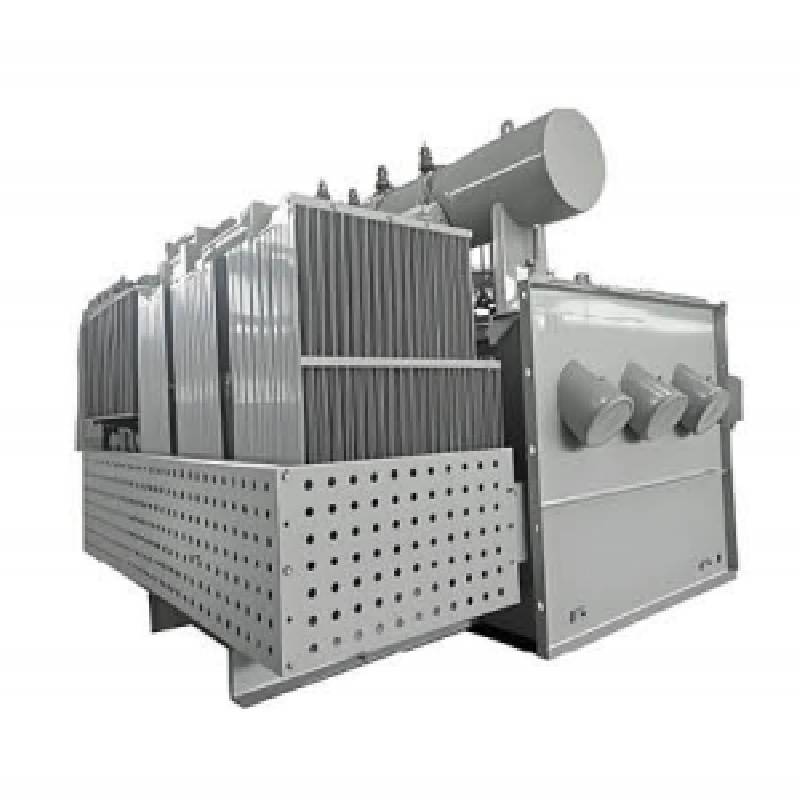
Choosing a Transformer with Center Tap for Projects

application/transformer-with-center-tap, application/transformer-with-center-tap, 
Inquiry
application/transformer-with-center-tap, application/transformer-with-center-tap, 
Inquiry

transformer with center tap

A transformer with center  tap is  a specific type  of transformer designed to provide multiple output voltages by tapping into the winding  at a  specific midpoint.  This configuration is essential  for applications that  necessitate varying voltage levels,  which can be critical for power distribution in industrial settings. For B2B buyers such as purchasing  managers, engineers, and product managers, understanding the specifications, applications, and installation processes  of center tap  transformers  is vital to  ensure they  meet project  requirements. This article will guide you through  essential considerations when choosing  a transformer with  center tap for your project, including  installation guidance, common issues, applications, and benefits.

Installation Guidance for Center Tap Transformers in Projects

Installation Guidance for Center Tap Transformers in Projects

Proper installation of a center tap transformer  is critical to its performance and longevity. Here are  some key steps and considerations to  ensure a successful installation:

Site Preparation: Ensure the  installation area is clean, dry, and adequately ventilated to avoid overheating. Check that the mounting surface can support the transformer's weight. Electrical Connections: Follow electrical codes and standards for wiring.  Ensure that the wiring gauge is  appropriate for the current load and that  connections  are secure to prevent arcing  or short circuits. Grounding: Proper grounding  is essential for safety and performance. Consult local regulations  for grounding requirements and ensure that the transformer  is grounded according to standards. Testing: Before full operation, conduct tests to  ensure correct voltage outputs and check  for any irregularities in operation.  Testing should include  load  tests to confirm that the transformer operates efficiently under expected conditions.

It is advisable to consult with or hire a qualified technician for installation  to avoid common pitfalls that could  lead  to operational inefficiencies or safety hazards.

Common Problems with Center Tap Transformers and Their Solutions

Common Problems with Center Tap Transformers and Their Solutions

While center tap transformers are integral to many electrical systems,  they can encounter  specific issues. Being aware of these common problems and their solutions can save time and resources:

Voltage  Imbalance: This can occur if the load on either side of the center tap is not equal. To address this, ensure that connected loads are balanced  as much as possible.  Overheating: If a  transformer is undersized or not adequately  cooled, it may overheat, leading to failure. Regular  monitoring of temperature and  ensuring adequate cooling measures are  in place can mitigate this risk. Noise Issues: Transformers can  produce  noise due to vibrations  or magnetic  forces. Implementing  sound-dampening measures or locating the transformer  in a less critical area can help manage this issue. Insulation Failure: Deterioration of  insulation can lead to short circuits. Regular inspection and maintenance of insulation integrity are crucial to preventing failures. 

By understanding these common issues,  buyers  can take proactive steps to ensure their transformer operates effectively and efficiently.

Applications of Center Tap Transformers in Industrial Settings

Applications of Center Tap Transformers in Industrial Settings

Center tap transformers are  versatile components  in various  industrial applications. Their ability to provide multiple voltage outputs makes them suitable for:

Power Distribution:  They are often used in power  distribution systems  to provide different voltage  levels for various equipment, ensuring compatibility and efficiency. Renewable Energy  Systems: These transformers can support renewable energy applications, such as solar and wind energy  systems, by enabling optimal voltage  regulation. Electroplating and Welding: Industries involved in electroplating and welding frequently utilize  center tap  transformers for  their ability to deliver consistent  and adjustable voltage levels. HVAC  Systems: In heating,  ventilation, and air conditioning systems, these transformers  can help manage the operation of  various  electrical components, providing necessary voltage for motors and controls.

Understanding the specific application requirements will help buyers choose the right transformer configuration  and features.

Understanding the Benefits of Center Tap Transformers for Buyers

Investing in a  transformer with center tap configuration offers  several benefits for  industrial buyers:

Flexibility: The ability to provide dual voltage outputs allows for greater  flexibility  in design and application, enabling equipment to operate efficiently across varying load conditions. Cost-Effectiveness: By using a single transformer to provide  multiple voltage levels, companies can reduce the need  for additional transformers, saving on initial costs and ongoing maintenance. Enhanced Performance: Center tap transformers can improve the overall performance  of  electrical systems by  ensuring that voltage levels are  maintained within optimal ranges, reducing the risk of  equipment failure. Customizability:  Manufacturers like Bardeen Equipment Co., Ltd. can offer customizable solutions tailored to specific application needs, enhancing operational efficiency and effectiveness.

When considering procurement, buyers should assess these benefits against their specific operational requirements and budget constraints  to make informed decisions.

By  understanding these considerations,  B2B buyers  can make more informed decisions when selecting, installing,  and utilizing transformers with center taps in  their  projects.

Choosing the Right Transformer with Center Tap for Your Projec

When selecting a transformer  with center tap, it is crucial to consider  specific  project  requirements, including voltage levels, load capacity, and physical dimensions. Center tap transformers typically provide a dual output, allowing  for flexibility in voltage application, which is advantageous in many industrial and commercial scenarios. For instance, understanding the difference between 6-10kV and 10-35kV transformers can help in making better decisions based on voltage needs.

Key specifications to consider include:

Voltage Rating: Ensure that the transformer's  voltage rating aligns with your system requirements.  A mismatch can lead to inefficiencies or equipment  damage. Power Capacity:  The transformer's power rating should meet  or  exceed the maximum load anticipated in your application to  prevent overheating or failure. Physical Dimensions: Ensure that the  transformer will  fit within the  designated installation  space. Consider any clearance or ventilation needs as well. Cooling Method: Depending on the application,  you may need an air-cooled or oil-cooled transformer. Assess the environmental conditions and installation site.

When evaluating suppliers, inquire  about their customization capabilities, as specific applications may require tailored solutions. Bardeen Equipment  Co., Ltd. manufactures transformers with IEC certification, ensuring compliance with international standards for safety  and quality. For more information on their offerings, you may explore Transformer Accessories that enhance the functionality of the transformers.

Get a Free Quote

Our representative will contact you soon.
0/1000

Related product categories