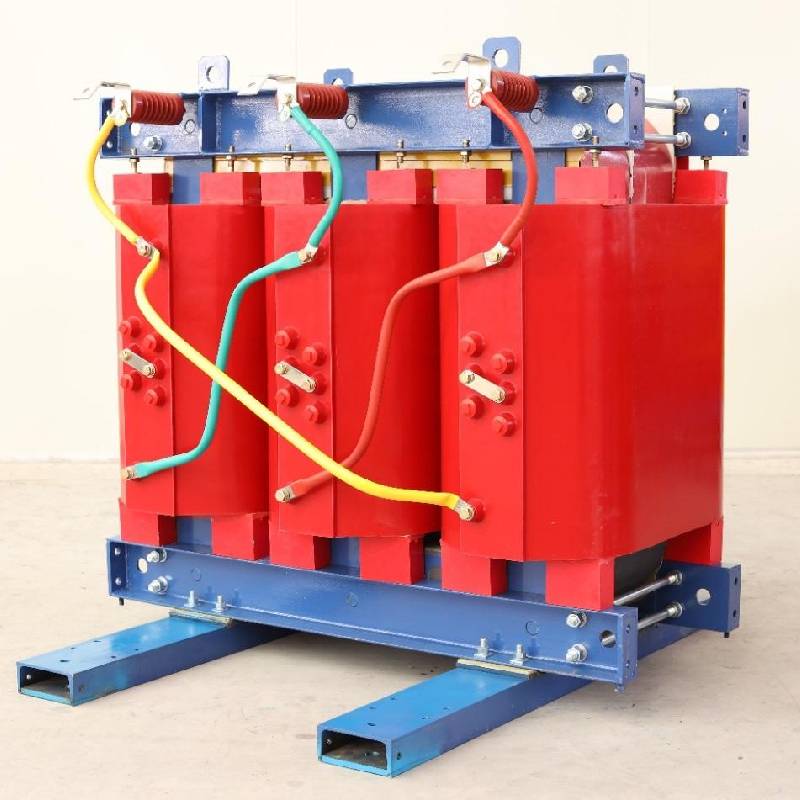
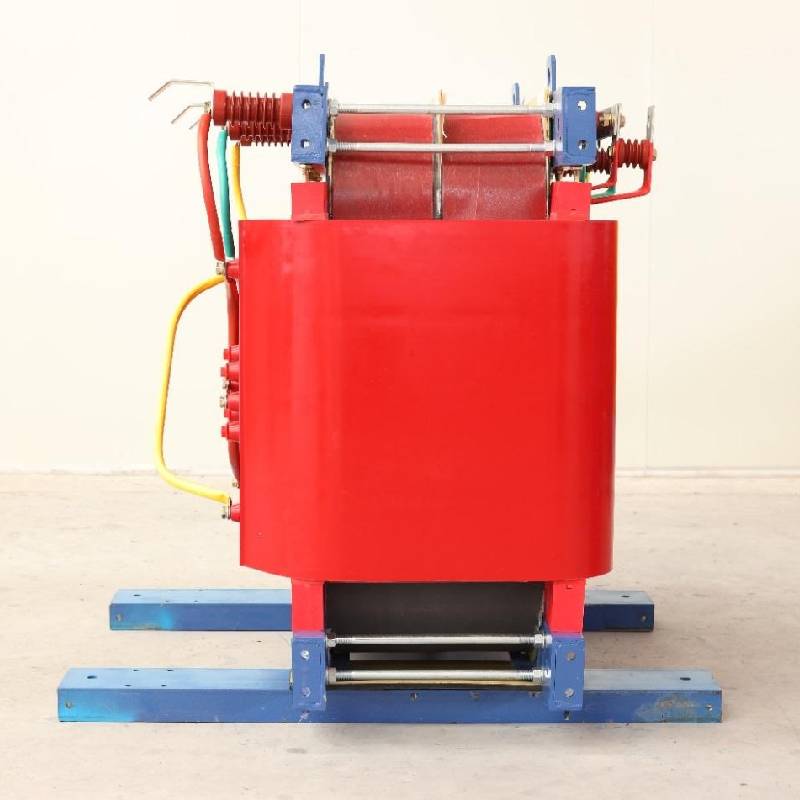
Core Trafo Toroids: Key Specifications and Standards

application/core-trafo-toroid, application/core-trafo-toroid, 
Inquiry
application/core-trafo-toroid, application/core-trafo-toroid, 
Inquiry

core trafo toroid

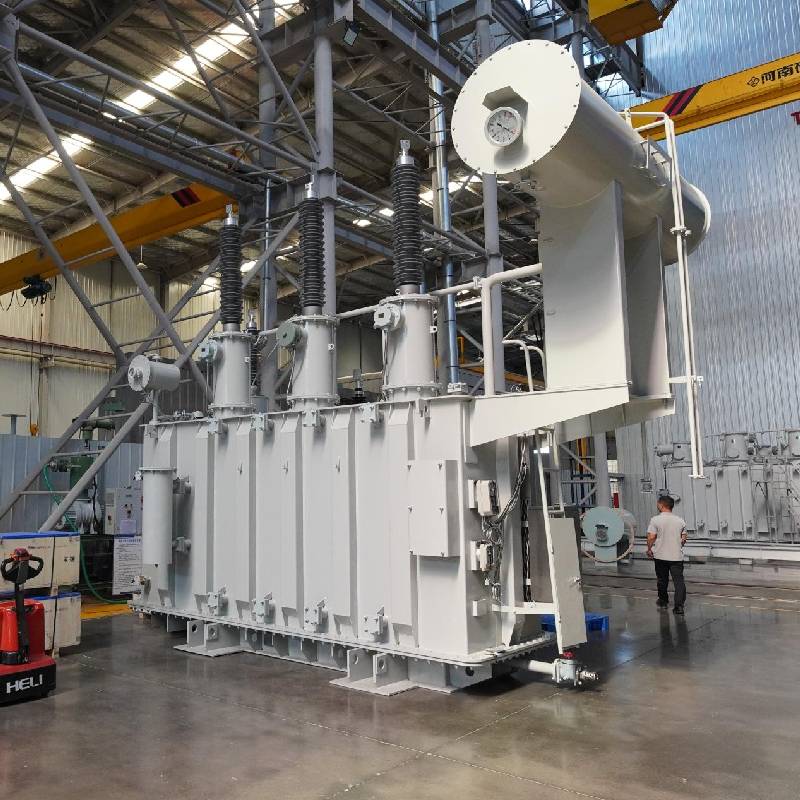
Core trafo toroids, or  toroidal transformers, are crucial components in various industrial applications due to their  efficient design  and compact footprint.  As a  B2B  buyer, understanding the specifics  of core  trafo toroid selection  is  essential  for ensuring  optimal performance in your  electrical  systems. This  article will explore key specifications, quality standards, common issues,  and cost factors associated with procuring  core trafo toroids, helping  you make  informed purchasing  decisions. For example, consider the benefits of an Oil Immersed Transformer 6-10kV 2000kVA for your application.

Evaluating Quality Standards for Core Trafo Toroids in Bulk Orders

Evaluating Quality Standards for Core Trafo Toroids in Bulk Orders

When placing bulk orders for core trafo toroids, ensuring quality is  paramount. Key quality standards to consider  include:

ISO and IEC  Certifications: Look for manufacturers with ISO certifications, as these indicate adherence to international quality management standards. For transformers, IEC certifications  ensure compliance  with international electrical standards.

Material Certification:  Request documentation confirming the quality  and specifications  of the core materials used. This can prevent future issues related to performance  and reliability.

Testing Procedures: Understand the testing protocols the manufacturer employs. Common tests include thermal cycling, load tests, and insulation resistance tests. These ensure that the toroids can withstand operational stresses.

Traceability: Ensure that the manufacturing process allows for traceability  of components. This  can be crucial if any quality issues arise post-purchase.

Samples for Approval: Before mass production, request samples to  inspect for quality and  compliance  with your specifications. This step  can prevent costly errors  in bulk  orders.

By evaluating  these quality standards, you  can  mitigate risks and ensure that you receive high-quality core trafo toroids.

What You Need to Know

What You Need to Know

When procuring  core trafo toroids, it’s  essential to have a clear understanding of your requirements and the supplier's capabilities. Here are critical considerations:

Application  Requirements: Define  the specific application for which the toroids are intended. This influences  the specifications you need to prioritize, such as  power rating  and thermal management.

Customization Needs: Many manufacturers, including Bardeen Equipment Co., Ltd., offer customization options. If your application requires  specific dimensions or configurations, clearly  communicate these  needs during the procurement process.

Lead  Times and Minimum  Order Quantities (MOQ): Understand the lead times for  production and shipping. Factor these into your project timeline. Additionally, inquire about the MOQ,  as this can affect budget and inventory management.

Pricing Factors: Pricing can vary based  on material,  complexity of design, and quantity ordered. Always request detailed pricing breakdowns that  include any potential additional costs for  customizations  or expedited shipping.

By being well-informed, you can  effectively navigate the procurement process for core trafo toroids.

Common Problems with Core Trafo Toroids and Their Solutions

Common Problems with Core Trafo Toroids and Their Solutions

While core trafo toroids are generally reliable, several common issues may arise:

Overheating: This can occur if the toroid  is under-rated for the application or if the winding configuration is inadequate. Ensure that the selected toroid meets the thermal and power ratings  required for your application.

Noise Issues: Electromagnetic interference can cause audible noise in transformers. Using high-quality materials and proper winding techniques can mitigate this issue. If noise persists, consider  seeking a toroid specifically designed for low-noise applications.

Core  Saturation: If the magnetic core is  saturated,  it can lead to inefficiencies and overheating. Select a toroid with an appropriate inductance rating and  ensure it operates within its specified limits to prevent saturation.

Insulation Failures: Poor insulation can  lead to shorts and  other failures.  Verify that the insulation  material and thickness  are appropriate  for the voltage levels and environmental conditions.

Quality Control Failures: If the manufacturer does not have stringent  quality  control processes, defects may go unnoticed. Always choose suppliers with  rigorous  testing and quality assurance protocols.

By recognizing these potential issues and their solutions, you  can enhance the  reliability of your core trafo  toroid applications.

Understanding Cost Factors in Core Trafo Toroid Procurement

Several factors  influence  the cost of core trafo toroids, including:

Material  Costs: The type of core material significantly affects pricing. High-performance materials may increase initial costs but can lead to long-term savings through improved efficiency.

Complexity of Design: Custom designs or specifications can raise costs due to  the  additional engineering and manufacturing  time required. Provide clear specifications to avoid unnecessary adjustments during the production phase.

Production  Volume: Higher quantities often lead to lower unit prices due to economies  of scale. If feasible, consider  consolidating orders to reduce per-piece costs.

Logistics and Shipping Costs: Factor in shipping costs and  potential tariffs  when evaluating total procurement expenses. Discuss shipping options with your supplier to find the most cost-effective solution.

Supplier Relationships:  Building  a strong  relationship with your supplier can lead  to better pricing and support for future projects. Consider long-term partnerships to maximize value.

By understanding  these cost factors, you can better navigate the procurement process  and  ensure that you receive the best value  for your  investment in core trafo toroids.

Key Specifications to Consider in Core Trafo Toroid Selection

When selecting  core trafo toroids, several key specifications should be taken into account:

Material Composition:  The core material greatly impacts the efficiency  and performance of the transformer. Common  materials include silicon steel and ferrite. Silicon steel is often preferred for low-frequency applications due to its high magnetic permeability, while ferrite is suitable for high-frequency applications. Buyers should confirm the material based on the intended application.

Dimensions and Geometry: The physical dimensions of the toroid, such as the outer  diameter,  inner diameter, and height, influence  its  capacity to handle power loads. Ensure that the dimensions align with your electrical system’s requirements. A mismatch  can lead to increased losses or insufficient  power handling.


Inductance Values: The inductance of the toroid affects its performance  in AC circuits. Verify that the inductance meets the operational specifications of your application.

Winding Configuration: The number of turns, winding method, and wire gauge can  affect the transformer’s efficiency and heat dissipation. A higher number  of turns  generally increases inductance but may also lead to greater resistance and heat  generation.

Operating Temperature: Consider the  temperature range the transformer  will experience. Ensure that the selected core trafo toroid can operate effectively within these limits to  avoid performance degradation or failure.

By carefully evaluating these specifications, you can select the most suitable core trafo toroid for  your needs. Additionally, you may want to explore Oil Immersed Transformer 66kV 10000kVA as a potential option for larger applications.

Get a Free Quote

Our representative will contact you soon.
0/1000