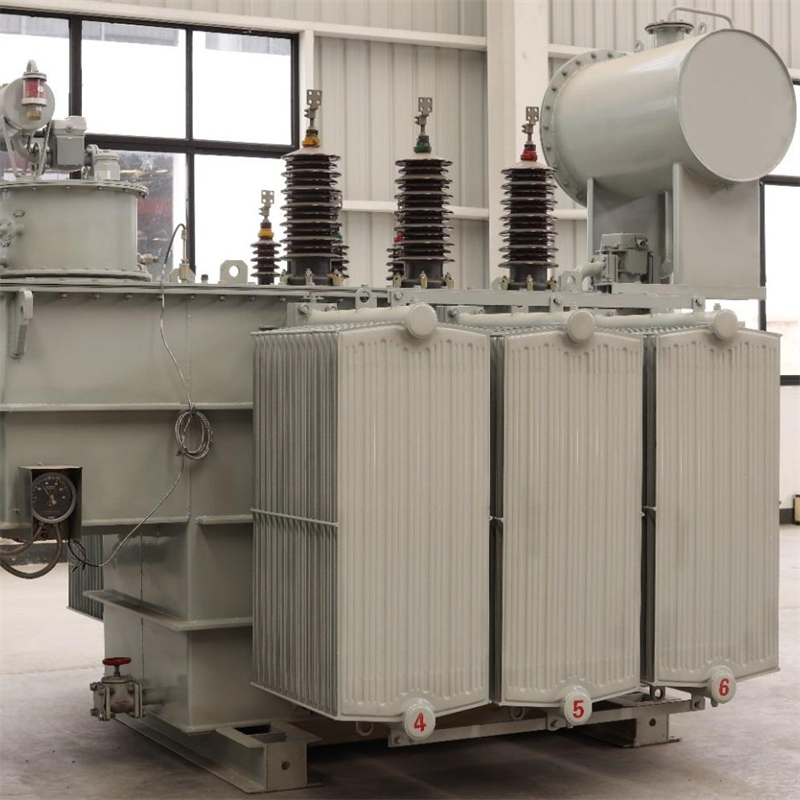
Low Voltage Distribution Transformers Overview

application/low-voltage-distribution-transformer, application/low-voltage-distribution-transformer, 
Inquiry
application/low-voltage-distribution-transformer, application/low-voltage-distribution-transformer, 
Inquiry

low voltage distribution transformer

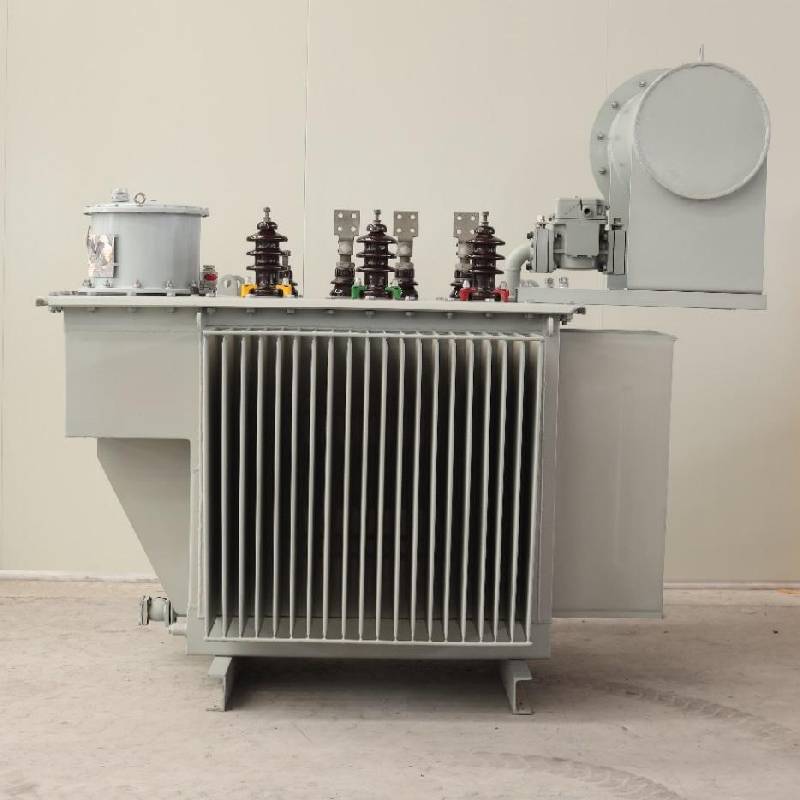
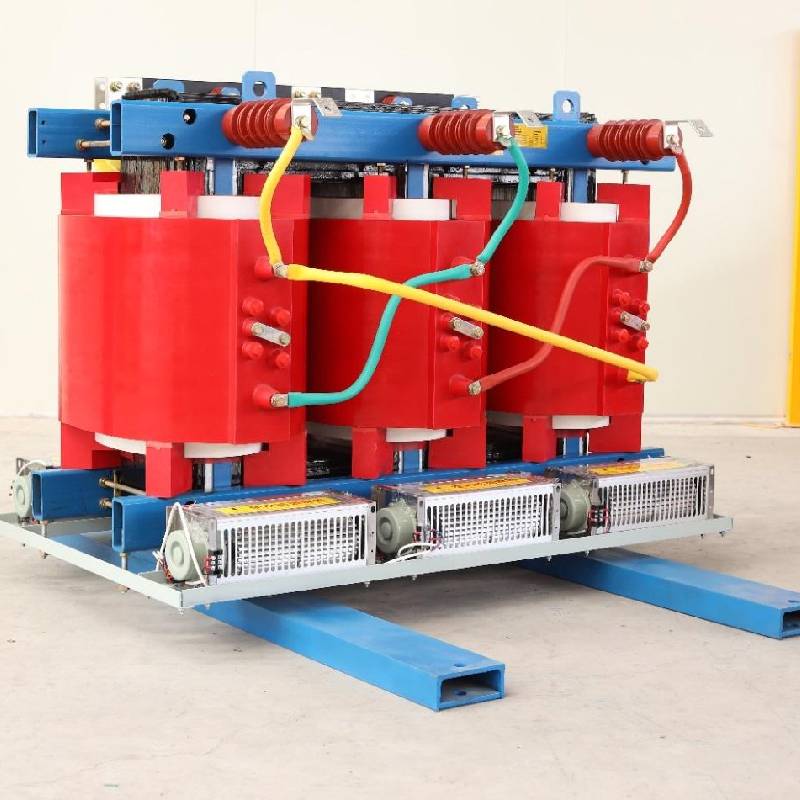
Low  voltage distribution  transformers are  essential components in power distribution systems,  converting high voltage electricity to a  lower voltage suitable for use in  commercial and  industrial  applications. As a B2B  buyer, understanding these transformers' specifications, installation  requirements, and applications is  critical for making  informed purchasing decisions. This article aims to provide  a  comprehensive overview of low voltage distribution  transformers, addressing key specifications,  supplier  options, installation guidance, cost factors,  and their  relevance in commercial  projects.

Reliable Wholesale Suppliers for Low Voltage Distribution Transformers

Reliable Wholesale Suppliers for Low Voltage Distribution Transformers

Finding a trustworthy supplier for low voltage distribution transformers is crucial for ensuring quality and reliability. Here are  some key points to consider  when  evaluating suppliers:

Reputation and Experience: Look  for manufacturers with a proven track record  in the  transformer  industry.  Companies like Bardeen Equipment Co., Ltd. have extensive experience in manufacturing transformers and related equipment, ensuring they understand the intricacies  of production and quality control.

Customization Capabilities: Many  applications require specific  configurations.  A supplier that offers  customization options  can  tailor transformers to meet your precise specifications, from voltage ratings to dimensions.

Technical Support: Effective technical support is essential for  addressing any issues that arise during  installation or operation.  Choose suppliers that provide robust customer service and technical assistance.

Quality Assurance Processes: Inquire about the supplier's quality control processes. A reliable manufacturer should have stringent testing  procedures to ensure that each transformer meets quality standards before shipping.

Global Reach: Suppliers with a global presence, like Bardeen Equipment Co., Ltd., can provide insights into international standards and shipping logistics, making them suitable partners for international projects.

Installation Guidance for Low Voltage Distribution Transformers in Various Applications

Installation Guidance for Low Voltage Distribution Transformers in Various Applications

Installing low  voltage distribution transformers requires careful planning and execution. Here are some key considerations:

Site Preparation: Ensure that the installation site is adequately prepared, with sufficient space for the transformer and  proper access for maintenance. The site should also be free from moisture and contaminants  that could affect the transformer’s performance.

Electrical  Connections: Properly connecting the primary and secondary  circuits is critical. Follow the manufacturer's  wiring diagrams and ensure that connections are secure to prevent arcing or overheating.

Grounding: Proper grounding is essential for safety and operational integrity. Ensure that the transformer is grounded according  to local regulations and best practices to  protect against electrical faults.

Ventilation: Adequate  ventilation  is crucial for cooling. Ensure that the  installation site allows  for proper  airflow around  the  transformer to prevent overheating during operation.

Testing  and  Commissioning: After installation, conduct thorough  testing to verify that the transformer operates correctly under  load.  Check voltage levels, efficiency, and cooling performance to ensure compliance with specifications.

Cost Factors to Consider When Purchasing Low Voltage Distribution Transformers

Cost Factors to Consider When Purchasing Low Voltage Distribution Transformers

Understanding the cost factors associated with low voltage distribution transformers  can help you manage your  budget  effectively:

Initial Purchase Price: The base cost of the transformer varies based on  specifications, capacity, and manufacturer. Compare quotes  from multiple suppliers  to  ensure  competitive  pricing.

Customization  Costs: Customizing a transformer may increase the initial cost. Discuss specific requirements with suppliers to understand how customization will impact pricing.

Installation Expenses: Include installation costs in your budget. Depending on the complexity of the installation, you may need  to hire specialized contractors, which can add to  the total expenditure.

Operational Costs: Consider the long-term operational costs,  including energy consumption and maintenance.  Higher efficiency transformers may have a higher  upfront cost but can lead to significant savings over time.

Warranty and Service Contracts: Evaluate warranty options and consider  service contracts for routine maintenance. Investing in  these services  can reduce  long-term costs by preventing unexpected failures.

Applications of Low Voltage Distribution Transformers in Commercial Projects

Low voltage distribution transformers  play a vital role in various commercial applications, including:

Retail Facilities: In retail environments, these  transformers  power lighting,  HVAC systems, and  electronic  displays, ensuring reliable operation for customer comfort and engagement.

Manufacturing Plants: Low  voltage transformers are  essential in industrial settings, supplying power to machinery and production lines, which is  critical for maintaining operational efficiency.

Renewable Energy  Systems: Transformers are integral to renewable energy projects, such  as solar and wind installations, facilitating the safe distribution of generated electricity for commercial use.

Data Centers: In data centers, low voltage transformers  ensure that servers and networking  equipment receive stable power,  which is crucial for uptime and data integrity.

Hospitality and Healthcare: These transformers  support essential services in hotels and  hospitals, powering lighting, medical equipment, and emergency systems to ensure safety  and comfort.

By understanding the specifications, supplier options,  installation requirements, cost factors, and applications  of low voltage distribution transformers, B2B buyers can make informed decisions that enhance their power distribution systems.

Key Specifications to Compare in Low Voltage Distribution Transformers

When evaluating low voltage distribution transformers, several  key specifications should be considered to ensure compatibility  with your application needs:

Voltage Ratings: Transformers are rated by their primary and  secondary  voltage levels. Ensure that the transformer you select can handle the voltage supplied by your grid and deliver  the required output voltage to your equipment.

Power  Rating: Measured in kilovolt-amperes (kVA), the power rating indicates the maximum load the transformer can handle. It's essential to choose a transformer with a power rating that meets or exceeds your expected demand to avoid overheating or failure.

Efficiency: Transformer efficiency  impacts operational costs. Look for transformers with high efficiency ratings to reduce energy losses during operation.

Cooling Method: Transformers can be  air-cooled (AN) or liquid-cooled (OL). The cooling method affects the transformer's performance under load and its overall size.  Choose a cooling method based on your  installation environment and  expected thermal  load.

Impedance: This affects voltage regulation and short-circuit performance. A lower  impedance can enhance voltage stability under load but may increase fault current.

Dimensions and Weight: The  physical  size and weight are critical for installation considerations, especially in space-constrained environments. Ensure that the transformer fits your designated space  and can be supported  by the existing infrastructure.

Standards and Certifications: Verify that the transformer meets  relevant industry standards (e.g., IEC, ANSI) and has the necessary certifications  to  ensure quality and reliability.

Get a Free Quote

Our representative will contact you soon.
0/1000