Choosing Silicon Steel Transformer Cores for Projects

application/silicon-steel-transformer-core, application/silicon-steel-transformer-core, 
Inquiry
application/silicon-steel-transformer-core, application/silicon-steel-transformer-core, 
Inquiry

silicon steel transformer core

Understanding  the selection  of a silicon steel  transformer  core is crucial  for any project involving transformers and  power systems.  Silicon steel  cores are essential components that help  in efficient  energy transfer and performance of transformers. As a  B2B buyer, you may have  concerns about product specifications, application suitability, and cost  factors. This article will provide practical insights into choosing the right silicon steel transformer  core,  key  specifications, cost  considerations,  common installation  issues,  and their applications in power systems.

Key Specifications for High-Quality Silicon Steel Transformer Cores

Key Specifications for High-Quality Silicon Steel Transformer Cores

When  evaluating silicon steel transformer cores, certain specifications  stand out as critical indicators of quality. These include:

Magnetic Flux Density: This specification  defines the amount of magnetic field present in  the steel. Higher flux density results in better energy efficiency  and lower operational  costs.

Thickness: The thickness of the silicon steel sheets  used in the core affects the transformer's performance. Thinner sheets can reduce eddy current losses, but they  may  also compromise structural integrity. A balance must be struck based on application needs.

Material Composition: The silicon content in the steel typically ranges from 0.5% to 4.5%. Higher  silicon content leads to reduced hysteresis loss, improving efficiency. It's essential  to verify the material  composition against your operational  requirements.

Surface Treatment: Surface coatings can protect against corrosion and enhance the  core's  durability in  adverse conditions. Ensure that the manufacturer uses appropriate treatments for your specific application environment.

Assembly Techniques: The method of assembly can impact the  core's performance. Ensure the  manufacturer employs techniques that minimize air gaps and improve magnetic coupling.

By focusing on these  specifications, you can better assess the quality of silicon steel transformer cores and  their suitability for your projects.

Understanding Cost Factors for Bulk Orders of Transformer Cores

Understanding Cost Factors for Bulk Orders of Transformer Cores

When purchasing silicon steel transformer cores  in bulk, several cost factors come into play. Firstly, the  price per unit  typically decreases with larger order quantities due to economies of scale. However, other  factors can influence the overall  cost:

Material Costs: The price of silicon steel fluctuates based  on market demand and raw material availability.  Staying informed about these trends can help you negotiate better pricing.

Customization Requirements: Custom  cores  may incur additional costs  due to specialized manufacturing processes. Always discuss your specific needs upfront to receive accurate quotations.

Lead Times: Longer lead times may result in  higher costs, especially if expedited  shipping is required. Planning orders well in advance  can help  mitigate this  issue.

Quality Assurance: Ensure that the pricing  includes comprehensive quality control measures. Investing in high-quality  cores can prevent future operational failures and associated costs.

Vendor Relationships: Building strong relationships with suppliers can  lead to favorable pricing and better service. Consider establishing long-term partnerships for consistent supply and support.


Understanding these factors will enable you to make more informed purchasing decisions and  optimize your budget.

Common Installation Problems with Silicon Steel Transformer Cores

Common Installation Problems with Silicon Steel Transformer Cores

Despite  their  critical role, silicon steel  transformer cores  can present installation challenges. Common  issues include:

Alignment Problems: If the core  is not properly  aligned during installation, it can lead to  inefficiencies and increased losses. Ensure  that your installation  team follows precise alignment protocols.

Mechanical Stress: Excessive force during installation can damage the core, leading  to operational failures. Use proper handling techniques and tools  to prevent physical damage.

Insulation Issues: Proper insulation  between core components is vital for reducing losses. Check for any insulation breaches during installation, as they  can result in short circuits or overheating.

Environmental Considerations: Installing in  unsuitable environments can  lead to corrosion or other material degradation. Ensure  that the installation  site meets  the necessary environmental standards.

Addressing these common installation problems proactively can enhance the  performance and longevity of your transformers.

Applications of Silicon Steel Transformer Cores in Power Systems

Silicon steel  transformer  cores are vital in various applications within  power systems. Their key uses include:


Power Transformers: Used in substations and power transmission networks,  these cores help step up or step down  voltage levels efficiently.


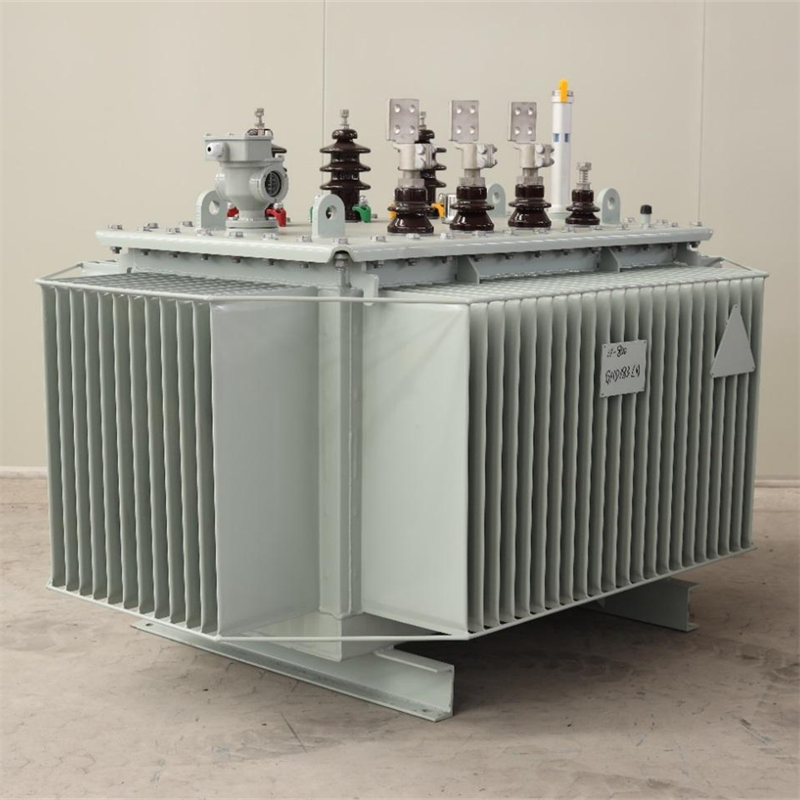
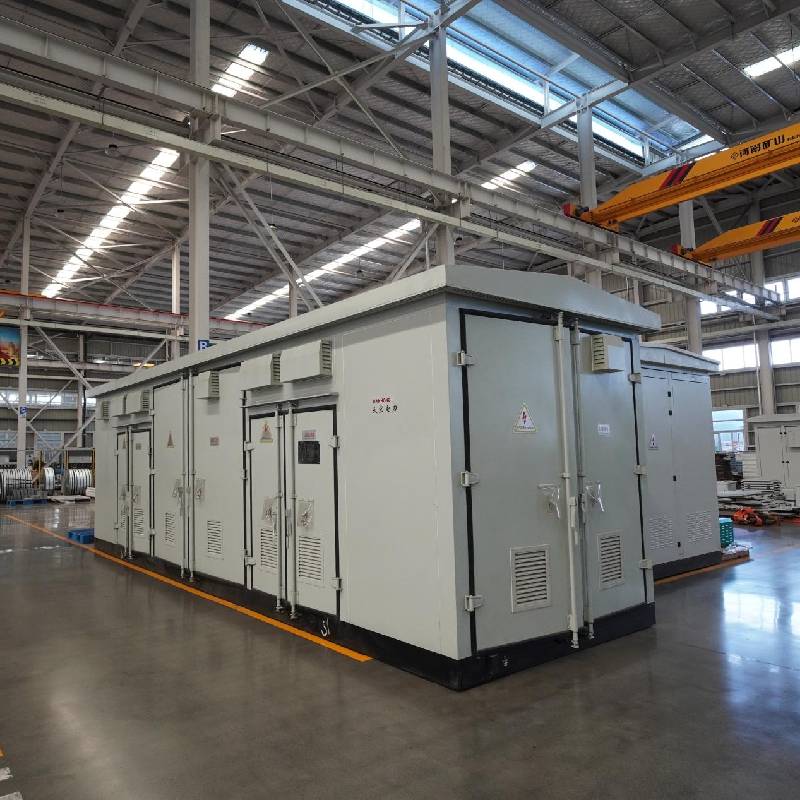
Distribution Transformers: Essential for converting high voltage to lower levels for commercial and residential use, focusing  on energy efficiency to reduce  operational  costs. For instance, PowerGrid-2500M Substation Transformer is a suitable example.

Renewable Energy Systems: In solar  and wind energy applications, silicon steel cores improve the  efficiency of transformers used in energy conversion and storage solutions.

Industrial Applications: Silicon steel transformer cores  are integral to heavy machinery and equipment, providing reliable power supply in manufacturing environments.


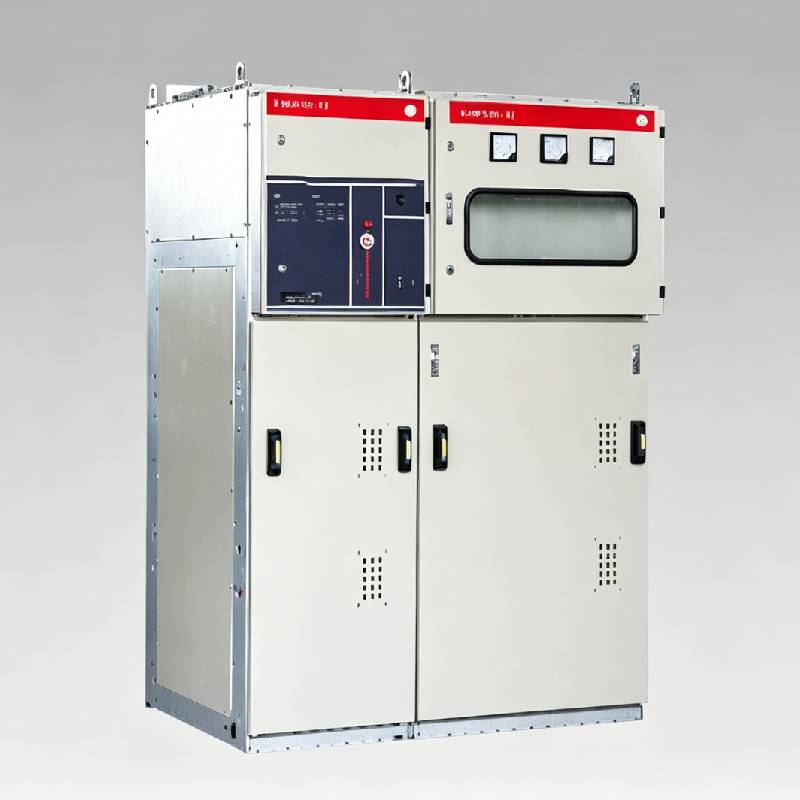
Electrical Infrastructure: Used in switchgears and generators, these cores ensure robust performance in electrical distribution networks.

Understanding these applications helps in  selecting the right transformer core for  specific needs, ensuring optimal performance and reliability in power systems.

By  focusing on these key aspects of silicon steel transformer cores, Bardeen Equipment Co., Ltd. can assist in addressing your specific project requirements, providing customization and technical support  to enhance the efficiency and effectiveness  of your power  systems.

Choosing the Right Silicon Steel Transformer Core for Your Projec

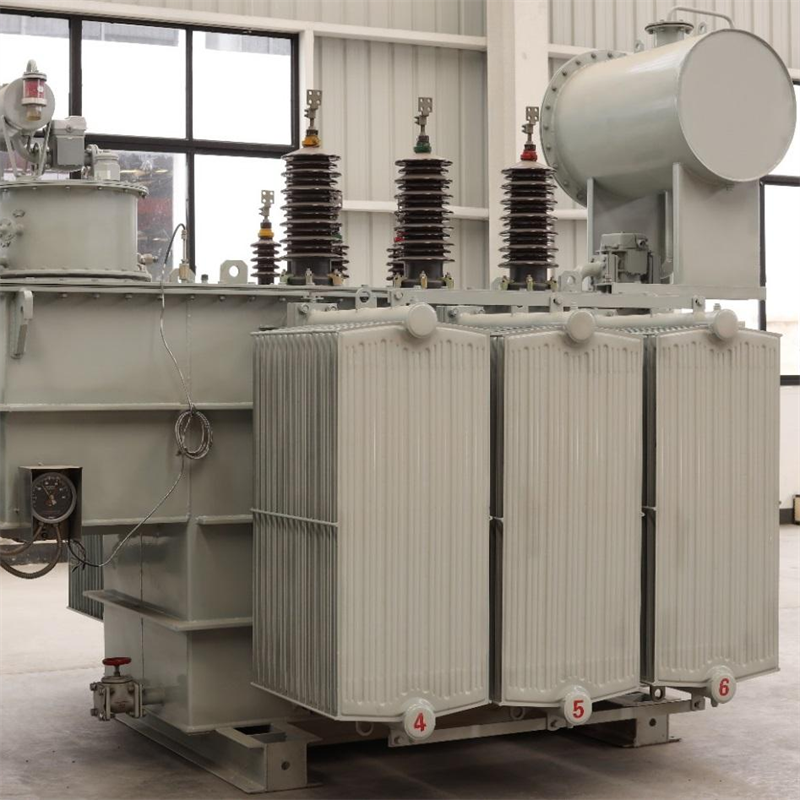
Selecting the right  silicon steel transformer core involves understanding  the specific requirements of your project. Key  considerations include the core's magnetic properties, dimensions, and the type of silicon steel used. High-grade silicon steel provides better magnetic permeability,  reducing  energy  losses during operation. Additionally, you might want to explore options like Oil Immersed Transformer 66kV 10000kVA for specific applications.

It is also  essential to assess the core's size  and shape  based on the transformer design. Customization may be necessary to fit unique specifications, particularly for high-voltage applications. Working  closely with your manufacturer, you can ensure  that  the core meets the  exact operational demands, which  will enhance performance and efficiency.

Additionally, consider  your  project's  application  environment. Transformer cores are subject to varying  temperatures and humidity levels, which  can impact their performance. Selecting the right core designed for your specific operational conditions will optimize the overall functionality of your transformer.

Get a Free Quote

Our representative will contact you soon.
0/1000