Key Benefits of Laminated Core Transformers

application/laminated-core-of-transformer, application/laminated-core-of-transformer, 
Inquiry
application/laminated-core-of-transformer, application/laminated-core-of-transformer, 
Inquiry

Laminated core of transformer

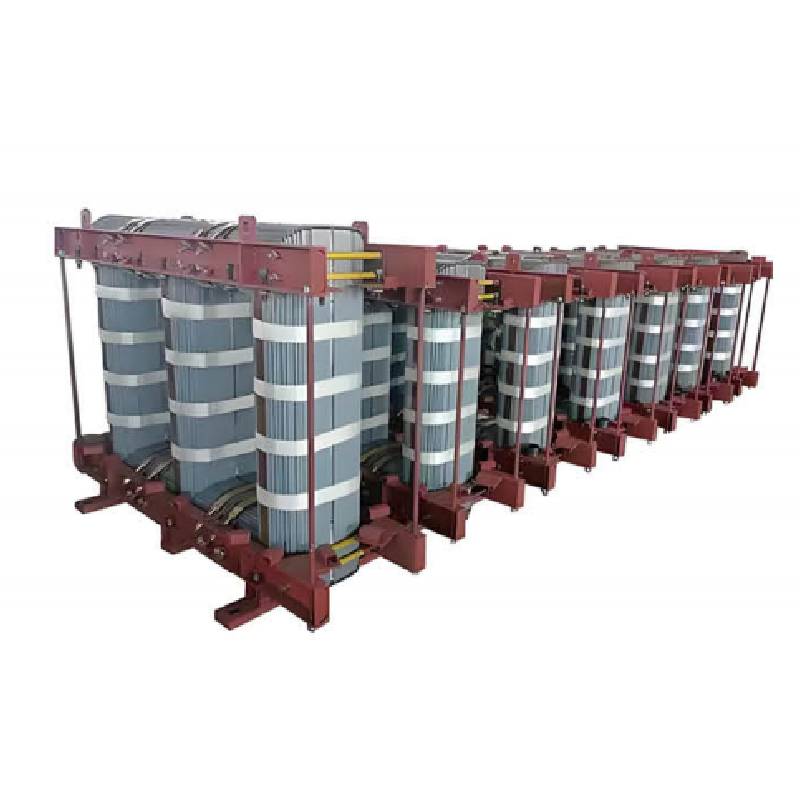
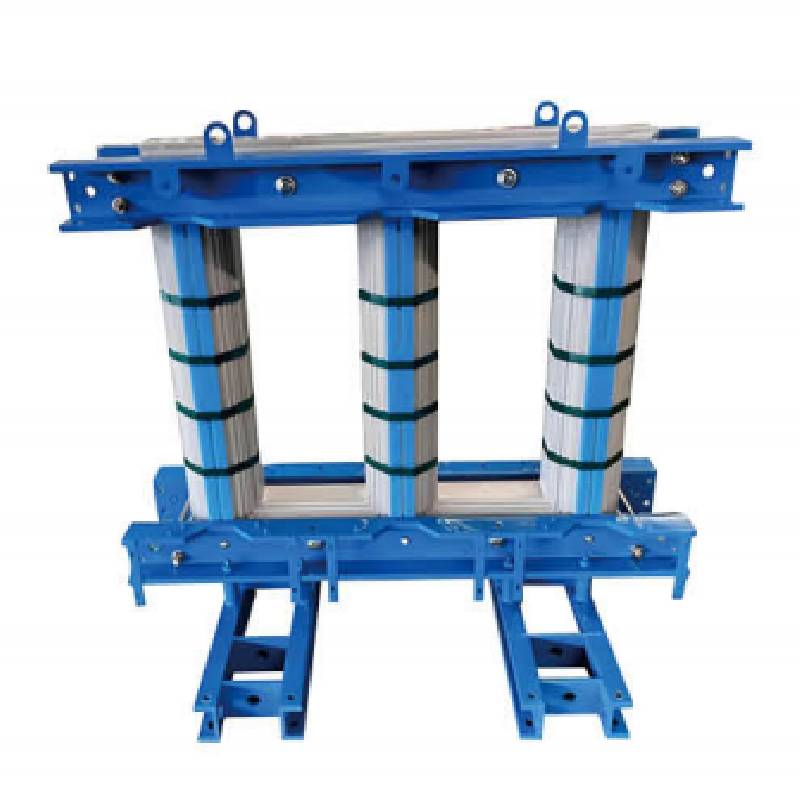
The laminated core of a transformer plays a critical role in its efficiency and performance. This type of core is constructed from thin sheets of electrical steel,  which helps reduce energy losses due to eddy currents. For B2B buyers, understanding the specifications, installation, sourcing, and potential issues related to laminated core transformers is essential. This laminated core transformers article will delve into these aspects, providing insights that will help purchasing managers,  engineers, and other industry professionals make informed decisions. 

Installation Guidance for Laminated Core Transformers in Various Applications

Proper installation is vital for the optimal performance of laminated core transformers. Here are some general guidelines: 

Foundation Preparation: Ensure a solid and level foundation to minimize vibrations that can affect performance. The foundation should accommodate any thermal expansion. 

Alignment: During installation, ensure that the transformer is correctly aligned with the power source and load connections. Misalignment can lead to operational inefficiencies and potential damage. 

Cooling Considerations: Depending on the application, consider the cooling requirements. For high-capacity transformers, adequate ventilation or oil cooling systems may be necessary. 

Electrical Connections: Use appropriately rated cables and connectors for the electrical connections. Ensure that connections are secure to prevent overheating and energy losses. 

Testing: After installation, conduct thorough testing to verify performance metrics such as impedance, voltage, and current. This step is crucial for identifying any installation-related issues before the transformer is put into operation. 

What to Look For

When sourcing laminated core transformers, several factors should be taken into account: 

Quality of Materials: Ensure that the manufacturer uses high-grade silicon steel to reduce losses. Request information regarding the steel’s properties and certifications. 

Customization Options: Depending on the application, verify if the manufacturer offers customization in terms of dimensions, winding configurations, or additional features such as temperature sensors. 

Production Capabilities: Assess the manufacturer’s production capabilities, including lead time and minimum order quantities (MOQ). This information will help you gauge whether they can meet your project timelines. 

Technical Support: Reliable technical support is crucial. A laminated core transformers manufacturer should provide guidance on installation, operation, and maintenance, as well as troubleshooting assistance. 

Certifications: Look for certifications that ensure compliance with international standards, such as IEC or ISO. These certifications can be an indicator of quality and reliability. 

Common Problems with Laminated Core Transformers and Their Solutions

Despite their advantages, laminated core transformers can experience issues that buyers should be aware of: 

Core Saturation: If the transformer's design exceeds its magnetic flux density limits, core saturation can occur, leading to increased losses and overheating. To avoid this, ensure that the core material and dimensions are suitable for the expected load.  

Noise Generation: transformer for power can produce noise due to mechanical vibrations. Proper installation, including the use of dampening materials, can mitigate this effect. 

Eddy Current Losses: While lamination reduces eddy currents, improper lamination thickness can still lead to higher losses. Buyers should confirm that the lamination thickness aligns with industry standards for their application. 

Thermal Management Issues: Inadequate cooling can lead to laminated core transformers overheating. Ensuring a proper cooling design and regular maintenance checks can help manage thermal performance effectively. 

Winding Failures: Winding insulation can degrade over time. Regular insulation resistance testing can help identify potential failures before they occur. 

Sourcing Reliable Suppliers for Laminated Core Transformer Components

Finding reliable suppliers for laminated core transformer components is essential for maintaining quality and performance. Here are some tips: 

Research and Reviews: Conduct thorough research on potential suppliers. Look for reviews and testimonials from previous customers to gauge their reliability and product quality. 

Sample Approval: Before placing a large order, request samples to evaluate the quality and specifications. Check for alignment with your requirements in terms of materials, dimensions, and performance. 

Supplier Certifications: Verify that the supplier holds relevant certifications and adheres to quality control processes. This can be indicative of their commitment to product quality. 

Communication: Assess the supplier’s responsiveness and willingness to laminated core transformers provide technical support and product information. A reliable supplier should be open to discussions about customization and specific requirements. 

Post-Sale Support: Ensure that the supplier offers post-sale support, including assistance with installation and troubleshooting. This support can be crucial for projects requiring quick resolution of issues. 

By considering these factors, purchasing managers and engineers can make informed decisions when sourcing core trafo toroid transformers and their components, ensuring optimal performance and reliability in their applications. 

Key Specifications and Benefits

Laminated core transformers are designed to minimize energy losses while maximizing magnetic performance. Key specifications to consider include: 

Material: Typically, ei transformer core are made from silicon steel, which has low hysteresis loss and high permeability. The thickness of the lamination usually ranges between 0.35 mm to 0.5 mm, balancing mechanical strength and magnetic performance. 

Dimensions: Core dimensions must align with the transformer’s design capacity. A larger core can handle higher power levels but may increase material costs and weight. 

Winding Configuration: The design of the laminated core transformers windings (e. g., concentric or layered) can affect efficiency. Proper configuration ensures optimal magnetic coupling. 

The benefits of using laminated cores include reduced core losses, improved thermal management, and enhanced overall transformer efficiency. These advantages make laminated core transformers suitable for various applications, from power grids to renewable energy storage. 

Frequently Asked Questions

What is a laminated core of transformer?

A laminated core is made of stacked thin steel sheets insulated from each other to reduce eddy current losses, improve magnetic performance, and increase transformer efficiency for power grid and commercial applications.
We use high-grade silicon steel laminations with controlled thickness and insulation coatings to optimize magnetic properties and minimize losses for reliable transformer operation.
Yes. We offer customization of core dimensions, lamination thickness, stacking factor, and window design to meet IEC-certified requirements and project-specific electrical needs.
Precision lamination and assembly ensure low losses, stable magnetic flux, and mechanical integrity, enabling efficient operation in IEC-certified 220kV transformers and substations.
We provide design consultation, material selection advice, manufacturing tolerances, testing protocols, and installation guidance to ensure core performance in renewable storage and grid projects.

Get a Free Quote

Our representative will contact you soon.
0/1000