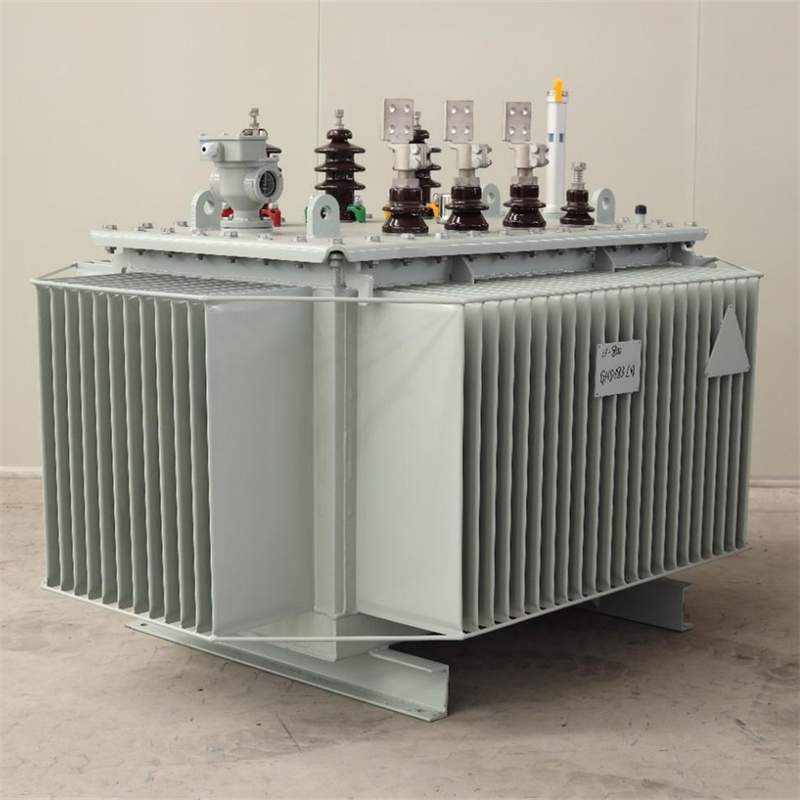
Choosing the Right Transformers Suppliers

application/transformers-suppliers, application/transformers-suppliers, 
Inquiry
application/transformers-suppliers, application/transformers-suppliers, 
Inquiry

Transformers suppliers

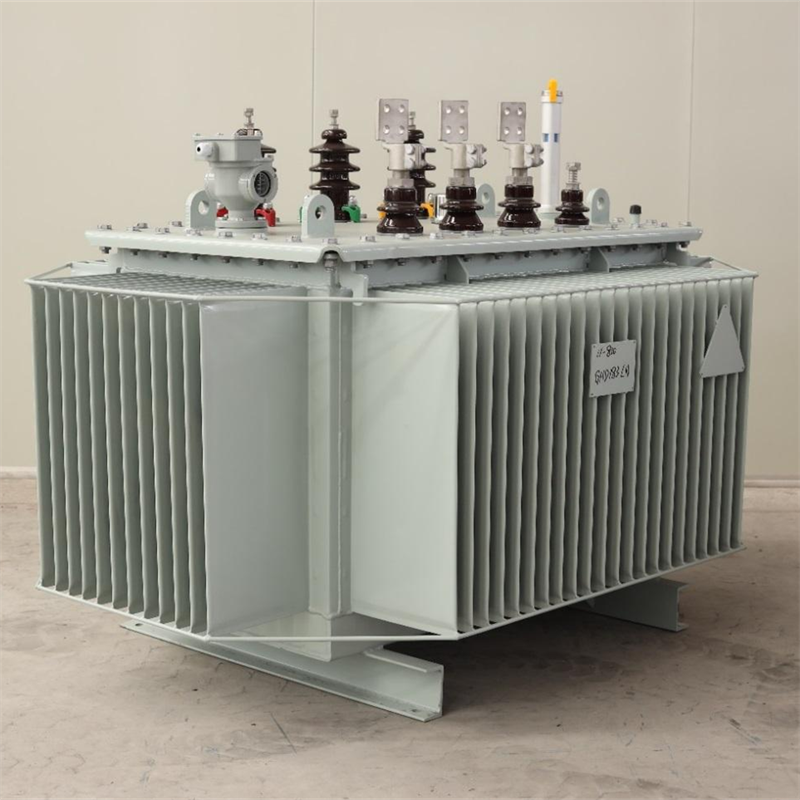
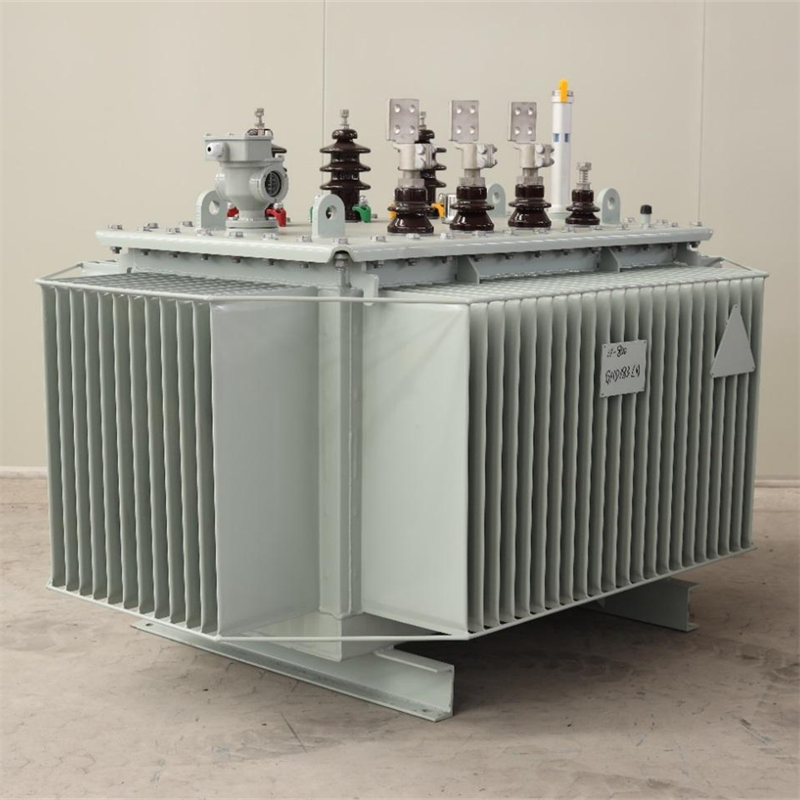
Choosing the right transformers suppliers is critical for any project involving electrical distribution and power management. Transformers play a vital role in ensuring that voltage levels are adjusted appropriately for various applications, from power grids to renewable energy systems. Bading specializes in manufacturing high-quality power transformer, substations, switchgears, and generators, making us a robust choice for B2B buyers. This article will delve into essential considerations when selecting a transformer supplier, cost factors, expert best practices, common issues, and the benefits of custom transformers.

Understanding Cost Factors When Sourcing Transformers in Bulk

Cost is a critical aspect of sourcing transformers, especially when ordering in bulk. Several factors can influence pricing, including the materials used, manufacturing processes, and required certifications. For instance, dc power transformer made from high-quality, durable materials may have a higher upfront cost but provide better long-term performance and reliability. 

Additionally, consider the minimum order quantity (MOQ) set by the transformers suppliers, as this can significantly impact your total cost. Suppliers may offer discounts for larger orders, but it's essential to ensure that you only purchase what you need to avoid excess inventory costs. 

Another cost factor is the lead time associated with your order. Suppliers with streamlined manufacturing processes can often deliver products more quickly, which can be a competitive advantage. Always clarify the expected delivery dates and any associated costs related to expedited shipping or customs clearance.

Best Practices from Experts

To maximize the value of your Bading transformer purchases, adhere to these expert-recommended best practices:

Request Detailed Specifications: When seeking quotes, provide potential transformers suppliers with comprehensive specifications that include dimensions, voltage ratings, and application conditions. This clarity helps transformers suppliers deliver accurate quotes and reduces the risk of misunderstandings. 

Evaluate Samples Before Mass Production: Before committing to a large order, request samples of the transformer to assess their quality and performance. Testing samples under actual operating conditions can reveal potential issues, such as compatibility with existing systems. 

Conduct Quality Inspections: Establish a quality control process that includes inspection checkpoints throughout the manufacturing process. Regular communication with the transformers suppliers during production can help identify and address issues before they escalate. 

Compare Multiple Suppliers: Gather quotes from several transformers suppliers to compare pricing, lead times, and product specifications. This comparative analysis can help you make informed decisions and negotiate better terms.

Common Problems with Transformers and Effective Solutions

Transformers can encounter several common issues that may affect their performance. Understanding these problems allows buyers to proactively address them. One prevalent issue is overheating, often caused by inadequate ventilation or overloading. Ensure that the chosen transformer is appropriately rated for the application and has sufficient cooling mechanisms. 

Another common problem is insulation failure, which can lead to short circuits and transformer downtime. It is crucial to inspect the insulation materials and verify their compatibility with the expected temperature and environmental conditions. Suppliers with a robust quality control system, like Bading, will typically offer transformers with reliable insulation options. 

Lastly, operational inefficiencies can arise from improper voltage regulation. Ensure that the supplier provides transformers equipped with advanced voltage regulation features that can adapt to fluctuating loads, ensuring stable performance.

Advantages of Custom Transformers for Diverse Applications

Custom transformers offer various advantages that can significantly enhance project outcomes. One of the primary benefits is the ability to tailor transformers to specific application needs, such as unique voltage requirements or compact designs for space-constrained environments. This customization can improve overall efficiency and performance. 

Additionally, custom transformers can incorporate advanced technologies, such as smart monitoring systems, which provide real-time data on operational status and potential issues. These features can facilitate proactive maintenance and reduce downtime. 

Finally, opting for custom transformers can also ensure compliance with specific industry regulations or standards, particularly in specialized sectors like renewable energy or industrial applications. By working closely with a knowledgeable supplier, you can achieve a solution that meets all technical and regulatory requirements. 

In summary, selecting the right substation transformer suppliers involves careful consideration of manufacturing capabilities, cost factors, and best practices to avoid common pitfalls. By focusing on these elements, you can make informed decisions that will lead to successful project outcomes and long-term reliability.

What to Consider When Choosing Transformers Suppliers for Projects

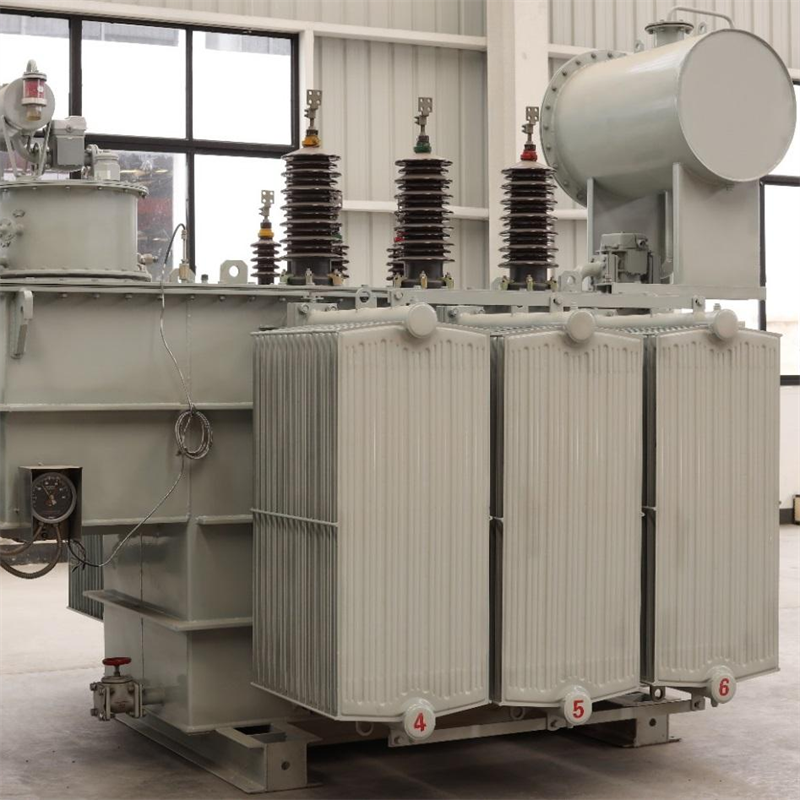
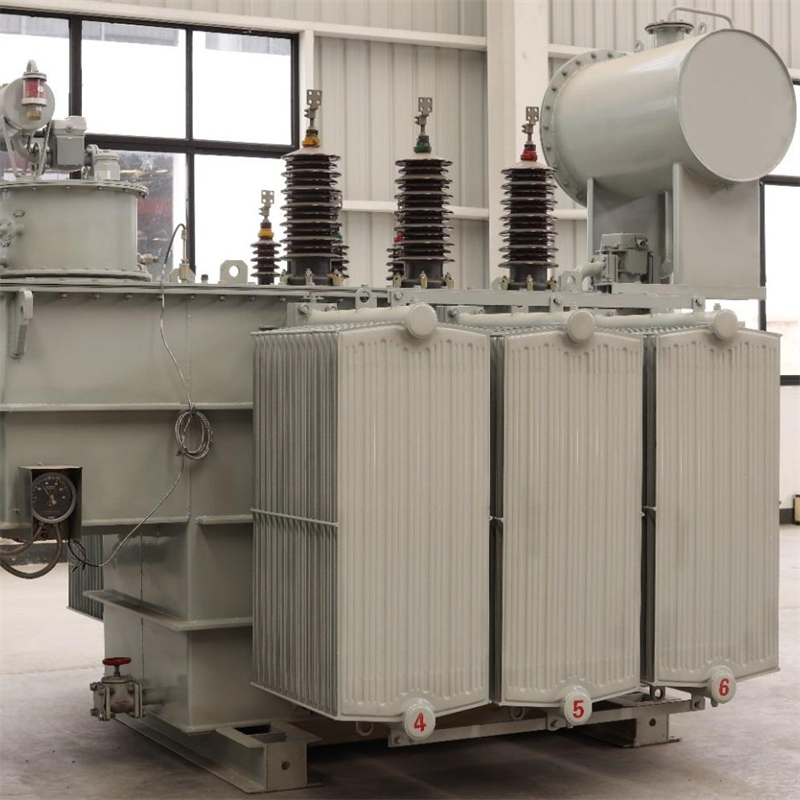
When selecting transformers suppliers, several key factors should be evaluated to ensure project success. First and foremost, confirm the supplier's manufacturing capabilities. Look for transformers suppliers like Bardeen Equipment Co., Ltd. that offer IEC-certified transformers capable of handling up to 220kV. This certification is essential as it indicates compliance with international safety and quality standards. 

Next, assess the supplier’s customization capabilities. Depending on your specific application, you may require transformers tailored to unique specifications, such as size, voltage ratings, or environmental conditions. A transformers suppliers that offers technical support and has experience in customizing transformers to meet various project needs can provide significant value. 

Lastly, consider the transformers suppliers track record in your industry. Experience with similar projects can give you confidence in their ability to deliver reliable products. Request case studies or references to gauge their previous work.

Frequently Asked Questions

What types of transformers do you supply?

We supply power transformers up to 220kV, distribution transformers, and customized units for power grids, renewable storage and commercial projects.
Yes. We provide tailored designs, specifications and technical support to meet project requirements including special ratings and site conditions.
Yes. Our production includes IEC-certified 220kV transformers and products meeting applicable international quality and safety standards.
We offer installation guidance, commissioning support, maintenance advice, spare parts supply and remote or on-site technical assistance.
Yes. We manufacture and supply transformers, substations, switchgears and generators as integrated solutions for grid, renewable and commercial projects.

Get a Free Quote

Our representative will contact you soon.
0/1000