Key Specifications of Zig Zag Grounding Transformers

application/zig-zag-grounding-transformer, application/zig-zag-grounding-transformer, 
Inquiry
application/zig-zag-grounding-transformer, application/zig-zag-grounding-transformer, 
Inquiry

zig zag grounding transformer

Zig zag grounding  transformers are critical  components  in electrical systems, particularly  for ensuring safety and stability in power distribution networks.  These transformers help mitigate ground fault currents, enhancing the  reliability of  electrical installations.  For B2B buyers,  understanding the  specifications, cost  factors,  installation guidelines, material advantages, and the essential features of zig zag grounding transformers is crucial for making  informed purchasing decisions. This article will  explore  these aspects to  aid purchasing managers, engineers, and other decision-makers in selecting the  right products  for  their applications. For more information on related products, check out our Oil-Immersed Transformers.

 
Understanding the Cost Factors of Zig Zag Grounding Transformers

Understanding the Cost Factors of Zig Zag Grounding Transformers

The cost of zig zag grounding transformers  can vary significantly based on multiple factors:

Material Costs: The quality of materials used in  manufacturing transformers, such as copper or aluminum windings and silicon steel cores, directly impacts the  price. Higher quality materials often lead to better performance and durability.

Customization: Custom transformers tailored to specific  requirements, such as unique voltage ratings or special insulation, may  incur additional costs.  Buyers should consider how much customization they need and how that will affect their budget.


Production Volume: Bulk orders typically come with a  reduced  unit cost.  Suppliers may offer discounts for larger quantities, so understanding  the minimum order quantities (MOQ) can be beneficial.

Shipping and Handling: Transport costs can add to the  overall expenditure, especially for larger transformers. It's essential to factor in  logistics when budgeting for a purchase.

Lead Time: Shorter lead times for expedited  orders may come  with a premium. Buyers should assess their timeline and balance urgency with cost.


By evaluating  these factors,  buyers can better manage their budgets and  make strategic purchasing  decisions that align with their project timelines and financial constraints.

Installation Guidelines for Zig Zag Grounding Transformers Explained

Installation Guidelines for Zig Zag Grounding Transformers Explained

Proper installation of  zig zag grounding  transformers is crucial for optimal performance and safety. Here are essential guidelines to follow:

Site Preparation: Ensure that the installation  site is prepared according to the  manufacturer's specifications. This includes verifying that the  foundation can support the weight of the transformer and that there's adequate space for air circulation.

Electrical Connections: Follow the manufacturer's wiring diagrams  closely. Incorrect connections can lead to system failures or accidents. It's advisable to engage qualified personnel for the  installation process.

Grounding: Ensure that the transformer is properly  grounded to prevent  electrical hazards. This involves connecting the grounding system to the transformer's grounding terminal and following  local  regulations for grounding practices.

Testing Before Commissioning: After installation, conduct comprehensive  testing, including insulation  resistance tests and operational tests. This step helps identify any potential issues before the transformer is  put into service.

Compliance with  Standards: Adhere to relevant industry standards and  codes during installation. Compliance ensures safety and may be required  for insurance or regulatory purposes.


By following these  installation guidelines, buyers can enhance the reliability of their electrical systems and  minimize the risk of operational disruptions.

Evaluating Material Advantages in Zig Zag Grounding Transformers

Evaluating Material Advantages in Zig Zag Grounding Transformers

The materials used in zig zag grounding transformers significantly influence their performance and longevity. Here are some material considerations:

Conductor Materials: Copper  is commonly  used  for windings due to its excellent conductivity  and durability, though  aluminum can be a more cost-effective alternative.  Buyers should assess their performance needs against the  properties of  these materials.

Core  Materials: High-quality silicon  steel is often used for transformer cores as it reduces energy losses during operation. The choice  of core material affects efficiency and operational costs.

Insulation: The insulation used in transformers must withstand  the operating  environment's thermal and electrical demands.  Materials like paper,  resin, or polymer insulation offer different levels of thermal resistance  and moisture protection.

Environmental Considerations: Transformers may be exposed to various environmental conditions, including temperature  extremes and humidity. Selecting materials with appropriate protective coatings or treatments can enhance durability.

By evaluating these material advantages,  buyers can choose transformers that not only  meet their performance requirements but also  ensure longevity and reliability in their applications.

What to Look for in Zig Zag Grounding Transformers

When selecting zig zag grounding transformers, several  key features should be assessed: 


Technical Specifications:  Confirm that the technical specifications align with your project requirements, including voltage, power rating, and impedance. This ensures compatibility with  your  electrical systems.

Quality Assurance: Verify that the manufacturer  has quality control processes in place. Certifications such as ISO or IEC compliance can indicate a commitment to quality and reliability.


Customization Options:  Determine if  the manufacturer offers customization to meet specific application needs. This could include unique voltage ratings or other tailored  solutions.

After-Sales Support: Consider the level of technical support  offered by the manufacturer. Reliable after-sales support can be invaluable for troubleshooting and maintenance.

Reputation and Experience:  Research the manufacturer’s reputation in the industry. Experience in  producing transformers for similar applications can provide confidence in  their products.

By focusing  on these factors,  buyers can make  informed decisions that enhance the reliability and efficiency of their electrical systems while ensuring they select a trusted supplier  for their zig  zag grounding transformers.


Key Specifications of Zig Zag Grounding Transformers for Bulk Orders

When considering zig  zag grounding transformers, several key specifications are crucial for ensuring compatibility with your electrical systems. These specifications typically include:

Voltage Rating:  The  transformer's voltage rating should match the system's requirements.  Common ratings  include 11kV, 22kV, and 33kV, depending  on the application.

Power Rating: Measured  in kVA or MVA, the  power rating determines how much load the transformer can handle. It's vital  to  select a transformer with a power rating that accommodates the  anticipated load without  exceeding its capacity.

Impedance: The impedance  of a zig zag transformer affects the fault  current limiting capability. Typically, a lower impedance results in  larger fault currents, which  may be necessary for certain applications, while higher impedance can limit fault current but may reduce system  reliability.

Connection Type: Zig zag transformers can be  connected in various configurations, including delta or wye. The connection type impacts fault current distribution and system grounding.

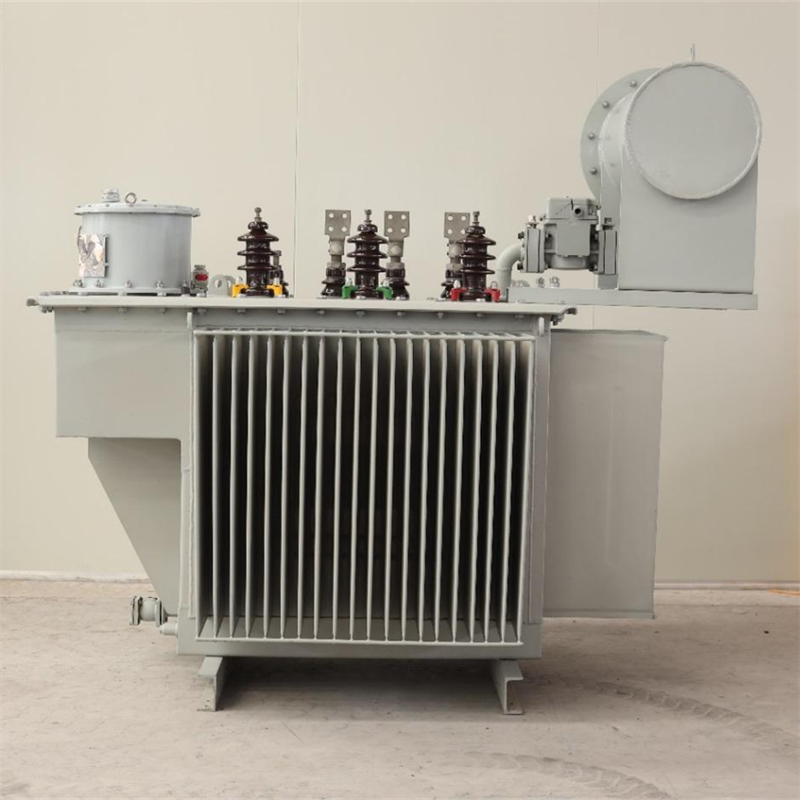
Cooling Method: Transformers may be air-cooled or oil-cooled. The cooling method affects efficiency and operational limits  under varying environmental conditions.

Dimensions and Weight: For bulk orders, dimensions and weight should be confirmed for compatibility with installation spaces and transport logistics.

Understanding these specifications will help  buyers ensure that they are selecting the right transformer for their specific operational needs, reducing the risk of installation issues or system failures. Additionally, considering options like Dry-Type Transformers may provide further insights into different transformer types.

Get a Free Quote

Our representative will contact you soon.
0/1000