Choosing the Right Neutral Grounding Transformer

application/neutral-grounding-transformer, application/neutral-grounding-transformer, 
Inquiry
application/neutral-grounding-transformer, application/neutral-grounding-transformer, 
Inquiry

neutral grounding transformer

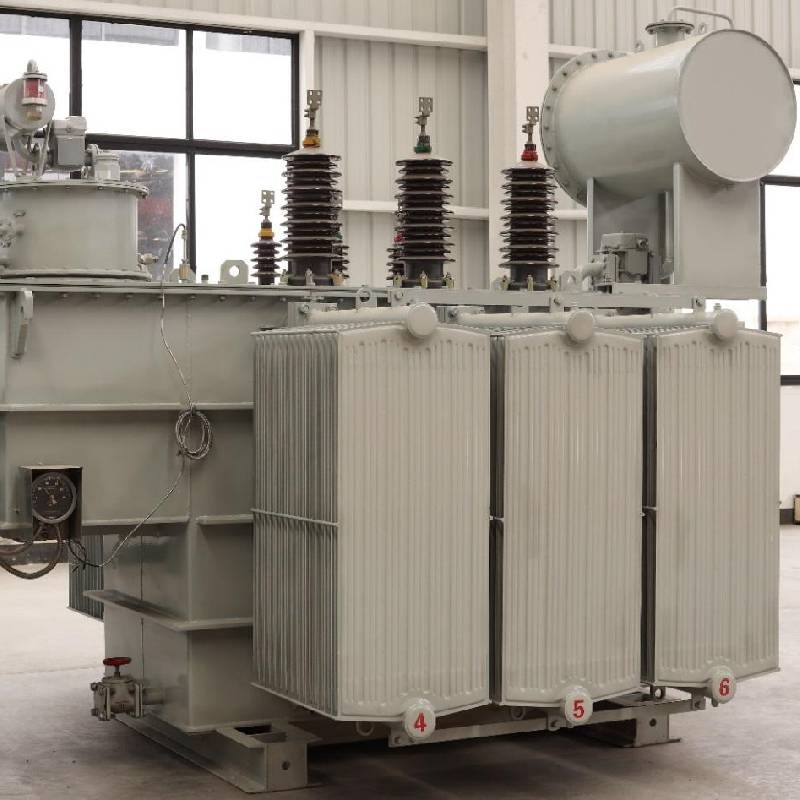
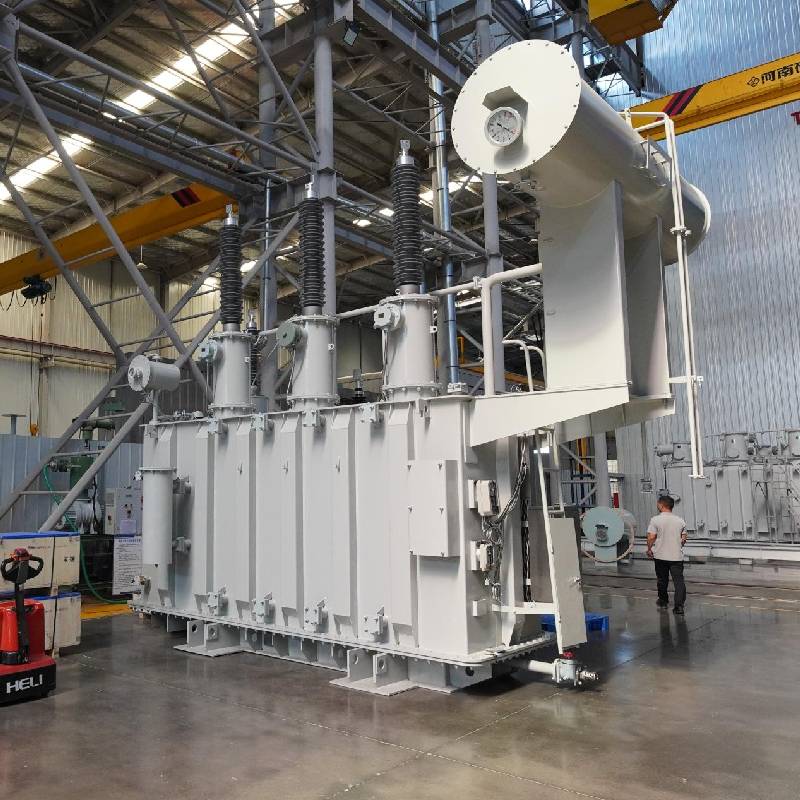
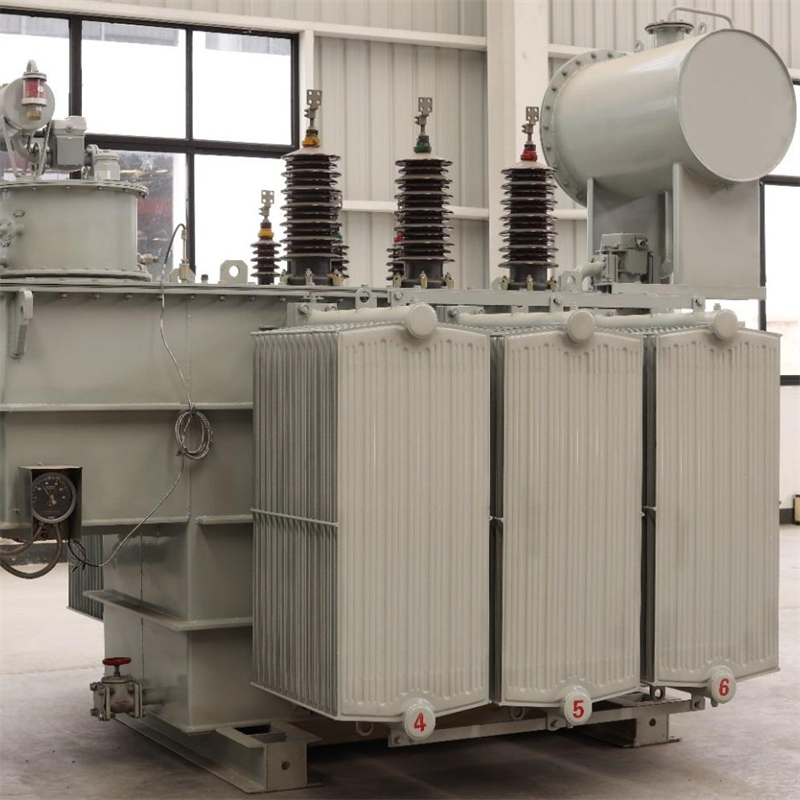
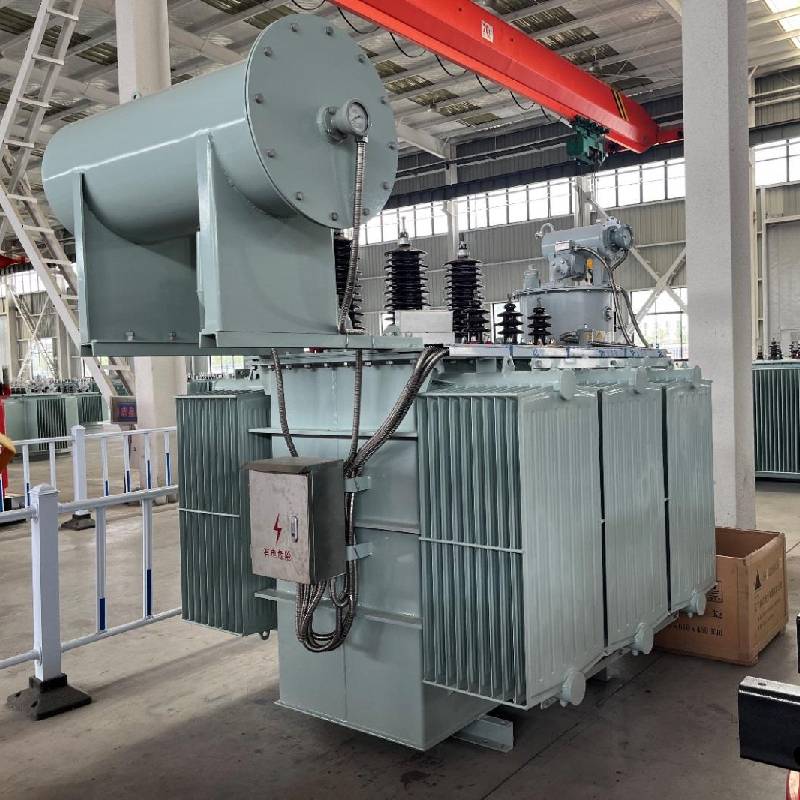
Neutral grounding  transformers (NGTs) are critical electrical  devices used to stabilize and protect power systems by connecting the neutral point of a transformer or  generator to the  ground. They are essential in  ensuring safety  and preventing electrical faults  in  various applications,  particularly  in  industrial  and commercial settings. When sourcing a neutral  grounding transformer,  buyers often  consider specifications,  quality, and  supplier reliability. This article aims to provide practical insights into selecting the right neutral  grounding transformer, key specifications, trusted suppliers, quality control processes, and cost factors to  help you make informed purchasing decisions.

 
Key Specifications to Consider When Sourcing Neutral Grounding Transformers

Key Specifications to Consider When Sourcing Neutral Grounding Transformers

When sourcing neutral grounding transformers, attention to key specifications is crucial. Here are some  essential parameters to evaluate:

Voltage Rating: Ensure the transformer  can handle the operating  voltage of your system. Typically,  NGTs  are  available in various voltage ratings to suit different applications.

Current Rating: This specification indicates the maximum continuous current the transformer can safely carry. It must  match or exceed the anticipated ground fault current to provide  effective protection.

Impedance: The transformer’s impedance affects the fault  current levels and system stability. A higher impedance may reduce fault  current but can also impact the system's ability to clear faults quickly.

Thermal Performance: Evaluate the  thermal characteristics, including the temperature rise under load  conditions. This is  important for ensuring the transformer operates within safe temperature limits.


Insulation Class: This specification indicates the material's ability  to  withstand voltage stress. Choosing the right insulation class is vital for ensuring durability  in demanding environments.

Understanding these specifications will help you assess  the  suitability of different models  and ensure that the transformer selected aligns with your operational requirements.

Reliable Suppliers for Bulk Orders of Neutral Grounding Transformers

Reliable Suppliers for Bulk Orders of Neutral Grounding Transformers

Finding a trustworthy supplier  for bulk orders of neutral grounding transformers is essential for  ensuring consistent quality and timely delivery. Look for  manufacturers with a strong track record in the industry, like  Bardeen Equipment Co., Ltd.,  known for its IEC-certified transformer production capabilities.


When evaluating suppliers,  consider the following:

Reputation and  Experience: A  company  with years of experience and  a solid reputation in manufacturing transformers will likely have established quality control processes and  customer service standards.

Customization Capabilities: Assess whether the  supplier can meet unique project requirements, including specific sizes, voltage ratings, and additional features.

Production Capacity: Ensure the supplier can handle your order  volume within your required time frames. Inquire about  lead times and their capacity  to manage  fluctuations in demand.

Technical Support:  A reliable supplier should provide technical  assistance pre- and post-purchase, helping you navigate installation and operational concerns.

By partnering with a reputable manufacturer, you can optimize your  project’s success and ensure the long-term performance of your neutral  grounding transformers.

Understanding the Quality Control Process for Neutral Grounding Transformers

Understanding the Quality Control Process for Neutral Grounding Transformers

Quality control is a critical aspect of manufacturing neutral grounding transformers, as it directly impacts their performance and reliability. Manufacturers should follow a rigorous  quality control process, which typically includes:

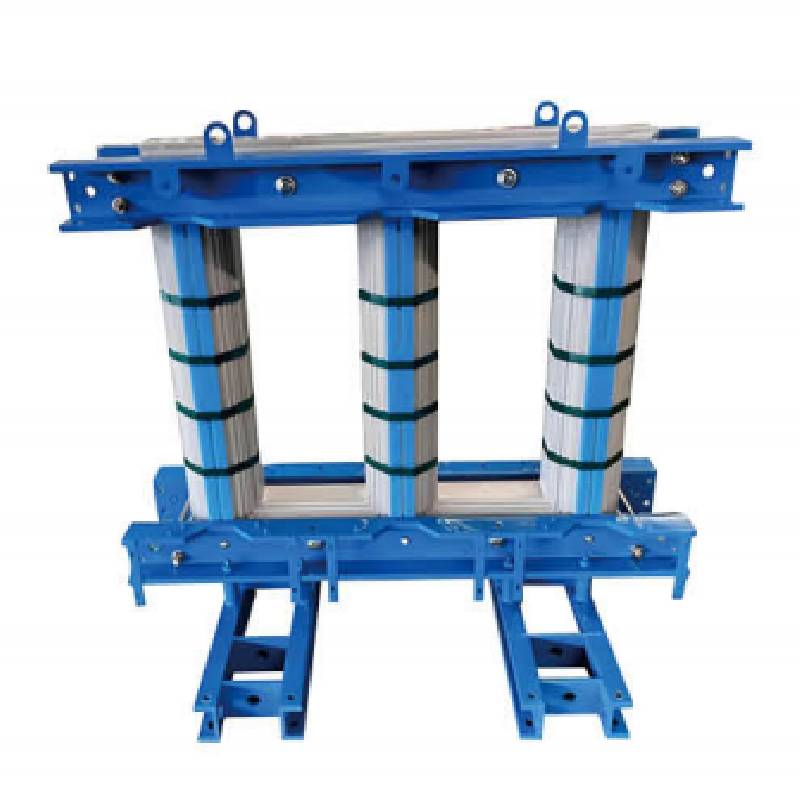
Material Inspection: All raw materials,  including copper and insulation, should be  inspected for compliance with industry  standards before production begins.

In-Process Testing: During manufacturing,  various tests, such as dielectric tests and impedance measurements, should be  conducted to  ensure components meet specified requirements.

Final Inspection: Before shipping, each transformer should  undergo a comprehensive  inspection,  including performance  tests under simulated operating conditions. This step is crucial for verifying that  the transformer meets the  required specifications and quality standards.

Documentation and  Certification: Manufacturers  should provide documentation that certifies  compliance  with relevant industry standards, such as IEC or ANSI. This ensures transparency and builds trust with buyers.

Understanding  the quality control process helps buyers make  informed decisions and ensures the reliability of the transformers they  purchase.

Cost Factors Involved in Purchasing Neutral Grounding Transformers Wholesale

When purchasing neutral grounding transformers in bulk, several  cost factors come into play. Understanding these  factors can aid in  budgeting and negotiating with suppliers:

Material  Costs:  The  choice of materials used in the transformer can  significantly  affect the price. For example, high-quality copper windings  and advanced insulation materials may increase  costs but enhance durability and performance.

Customization and Design: Custom features  or specifications may incur  additional costs. Buyers should clearly define their requirements to receive accurate quotations.

Volume Discounts: Purchasing in larger quantities often leads to discounts. Discuss your order volume  with suppliers to explore potential savings.

Shipping and  Handling: Consider logistics costs when  purchasing transformers, especially for international  shipments. Factor in customs duties, taxes, and local delivery charges.


Lead Time: Rush orders may incur higher costs. Plan ahead  to avoid expedited shipping fees and ensure timely delivery without additional expenses.

By considering these factors, buyers can better navigate the purchasing  process and optimize their total expenditures when sourcing neutral grounding transformers.


How to Choose the Right Neutral Grounding Transformer for Your Projec

Selecting the appropriate neutral grounding transformer  involves understanding the  specific requirements of  your project.  First, consider the system voltage and fault  current levels. The NGT’s rating must align with these parameters to  ensure effective operation. Additionally, consider  the installation  environment; factors such as temperature ranges, humidity,  and potential exposure to corrosive substances can  influence the transformer’s performance and lifespan.


Customization options are another important aspect.  Depending on the application, you may require specific configurations, such as delta or wye connections, or additional features like surge protection. Collaborating with a manufacturer that offers tailored solutions,  such as  Bardeen Equipment Co.,  Ltd., can enhance compatibility with your existing  systems. It’s also advisable to consult  with engineers or knowledgeable personnel during the  selection  process to confirm that the transformer meets your project’s technical and safety standards.

Get a Free Quote

Our representative will contact you soon.
0/1000