Choosing the Right Transformer LT Bushing

application/transformer-lt-bushing, application/transformer-lt-bushing, 
Inquiry
application/transformer-lt-bushing, application/transformer-lt-bushing, 
Inquiry

transformer lt bushing

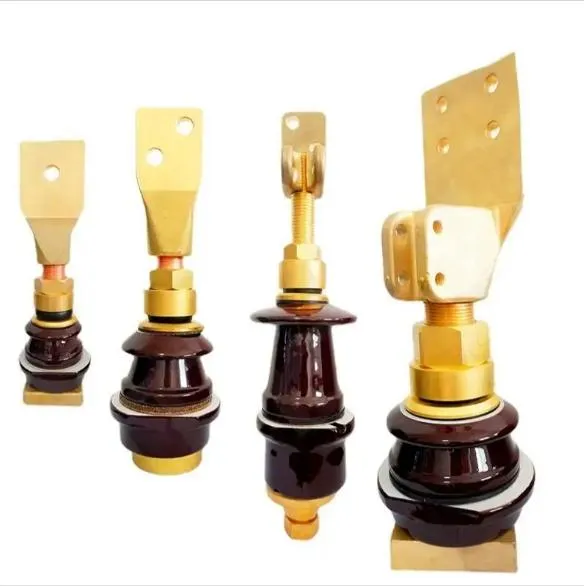
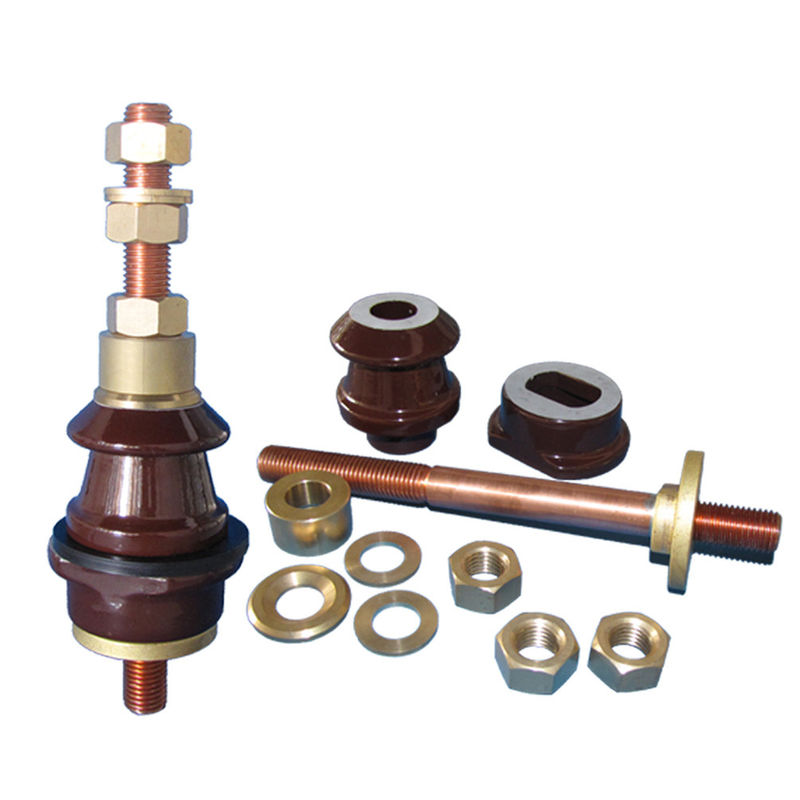
Transformer LT  bushings are critical components  in electrical transformers, serving as the  interface between the transformer and  the external  environment. They are designed to  insulate, support, and protect  the electrical connections that pass through them. For  B2B buyers, selecting the  right  transformer LT bushing involves understanding various technical specifications, materials, and  installation requirements. This article will  guide purchasing managers, engineers,  and project  managers  through  the  key considerations when choosing and installing transformer  LT bushings, ensuring optimal performance in  power  systems.

What to Look For

What to Look For

When evaluating transformer LT bushings, there are several critical specifications and features to consider:

Insulation Class: This indicates the thermal performance of the bushing. Class E  and  B are common  in transformer applications,  with Class E offering higher thermal stability.

Mechanical Strength: The bushing should withstand mechanical stresses encountered during  installation and operation. Check for compliance with relevant mechanical  testing standards.

Creepage Distance: This is crucial for preventing electrical tracking in  contaminated environments.  Ensure the  creepage distance  is adequate  for  the  installation location.

Thermal Rating: Assess the thermal capabilities of the bushing, especially in environments  with fluctuating temperatures. Proper thermal performance ensures  longevity and reliability.

Testing and Certification: Look for bushings that meet IEC standards or equivalent certifications, ensuring quality and safety. Request documentation for tests  related to dielectric strength, thermal cycling,  and moisture resistance.

These considerations  will help buyers assess the quality and suitability of transformer LT bushings for their projects, including options like the PowerGrid-10000H Substation Transformer for enhanced reliability.

Installation Guidelines for Transformer LT Bushings in Power Systems

Installation Guidelines for Transformer LT Bushings in Power Systems

Proper installation of transformer LT bushings is crucial for ensuring their reliability and performance. Follow these guidelines:

Site  Preparation: Ensure the installation area  is clean and  free from debris. This reduces the risk of contamination  that could affect the bushing.

Alignment and Support: Carefully align the bushing with the  transformer connection to avoid stress on the electrical leads. Use appropriate supports to maintain alignment during installation.

Torque Specifications: Adhere  to manufacturer-recommended torque specifications for securing the bushing. Over-tightening  can damage the bushing, while under-tightening may lead to loose connections.

Sealing: Inspect sealing surfaces and apply suitable sealants as  required.  Ensure that seals are intact  and functioning before  finalizing installation.

Electrical Testing:  Conduct insulation resistance tests post-installation to verify the integrity of the bushing.  This will help identify  any potential  issues before  the system goes live.

Documentation: Maintain detailed records of installation procedures and test results for future reference and quality  assurance.

Following these guidelines  will minimize  common installation errors  and enhance the longevity of transformer LT bushings.

Common Problems with Transformer LT Bushings and Their Solutions

Common Problems with Transformer LT Bushings and Their Solutions

While transformer LT bushings are  designed for durability, they can encounter  various issues. Here are some  common problems and their solutions:

Moisture Ingress: This can  lead to  insulation  failure. Regular inspections  and maintenance should be performed to check for signs  of moisture. If detected, immediate replacement is recommended.

Tracking  and Flashover: This can occur in contaminated environments.  Ensure  adequate creepage distances  are  maintained, and consider using bushings  with enhanced pollution resistance.

Mechanical Damage: Improper  handling during installation can lead to cracks or breaks. Train installation personnel on handling procedures and provide protective packaging during transport.

Thermal Degradation: Excessive heat  can weaken insulation materials. Ensure that  the  bushing is rated for the operational temperature range of the  application, and monitor temperature during operation.

By being aware of these potential issues, buyers can implement proactive measures to  maintain the performance and reliability of transformer LT bushings.

Applications of Transformer LT Bushings in Industrial Projects

Transformer LT bushings  are widely used in various industrial applications,  including:

Power Generation: In power plants, these bushings facilitate the connection between  transformers and generators, ensuring efficient  electricity transmission.

Renewable Energy: As renewable energy sources grow, transformer  LT bushings play a vital role in  connecting solar and  wind power systems to the grid, ensuring safe and reliable energy distribution.

Commercial Facilities: In commercial buildings, these bushings are essential for grounding and stabilizing electrical systems, enhancing safety and performance.

Substation Applications: Transformer LT bushings are critical  in substations, where they connect transformers to  the transmission network, ensuring the stability  of power supply.

Industrial Manufacturing:  In manufacturing plants, they support transformers that power heavy machinery, ensuring  consistent operation and minimizing downtime.

Understanding these applications  helps buyers recognize the  importance  of selecting high-quality  transformer  LT bushings tailored to their specific industry needs. This includes considering options such as the MNS low-voltage withdrawable switchgear for enhanced performance in manufacturing settings.

This comprehensive guide provides valuable insights into choosing, installing, and maintaining transformer LT bushings, enabling informed decisions that enhance  operational efficiency and  reliability in power systems.

How to Choose the Right Transformer LT Bushing for Your Project

Choosing the  right transformer LT bushing begins with understanding the specific application and operating  conditions. Consider the following factors:

Voltage Rating: Ensure the bushing is rated  for the  voltage levels it will encounter in the  application. For high-voltage systems, IEC certification  is crucial, as it ensures compliance with international standards.

Material Selection: Common  materials  include porcelain and composite, each offering different insulating properties and mechanical strength. Porcelain is robust and weather-resistant, making it suitable  for  outdoor applications, while composite materials may  offer lower weight and improved resistance to pollution.

Bushing Dimensions: The physical dimensions, including the diameter and height, must match the transformer design specifications. Incorrect dimensions can lead  to installation challenges and performance issues.

Sealing Mechanism: Verify the sealing method used in the bushing. Proper sealing prevents moisture ingress, which can lead to insulation failure.

Customization Options: Depending on the project requirements, customization may be necessary. Discuss options with  manufacturers,  such as specific terminal configurations or unique insulation  materials.

By evaluating these factors, buyers can ensure they select transformer LT bushings that  meet their  specific  project needs and enhance  the reliability of power  systems. Additionally, considering options like the Oil Immersed Transformer 66kV 10000kVA can provide enhanced performance in high-demand environments.

Get a Free Quote

Our representative will contact you soon.
0/1000