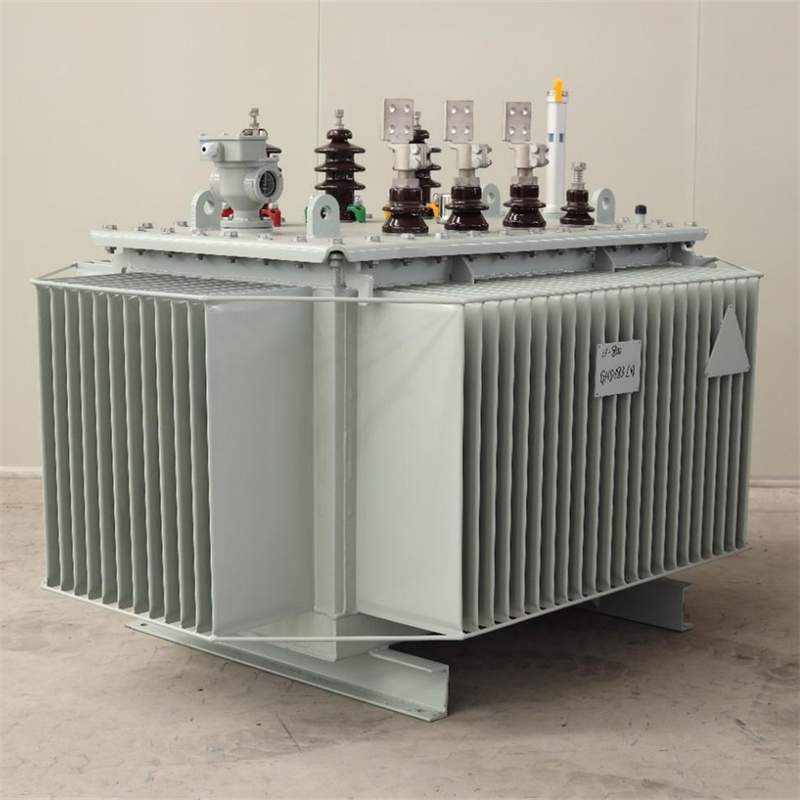
Inverter Duty Transformers: Specifications & Quality

application/inverter-duty-transformer, application/inverter-duty-transformer, 
Inquiry
application/inverter-duty-transformer, application/inverter-duty-transformer, 
Inquiry

Inverter duty transformer

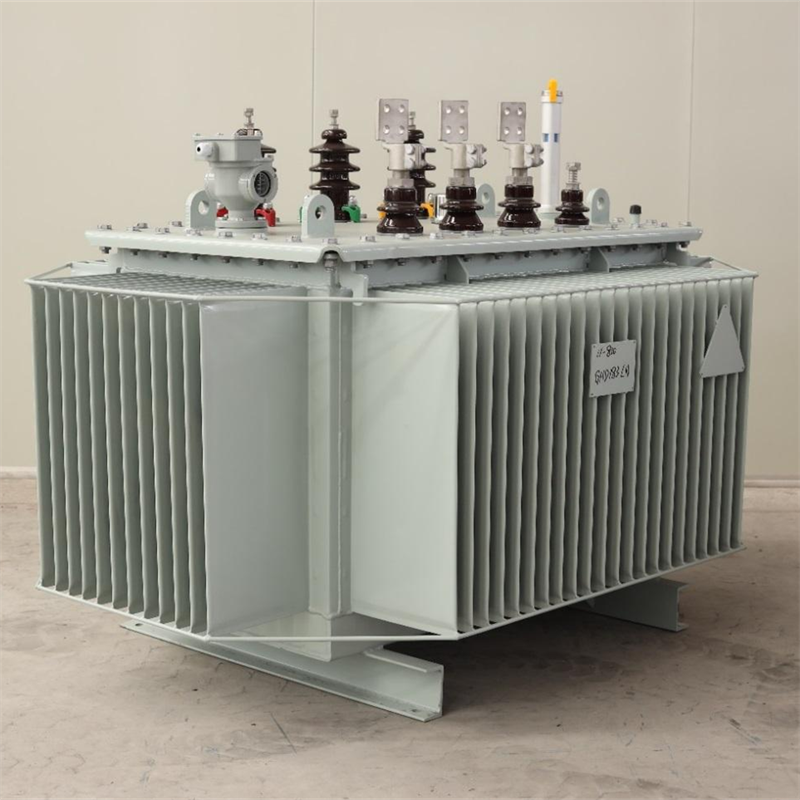
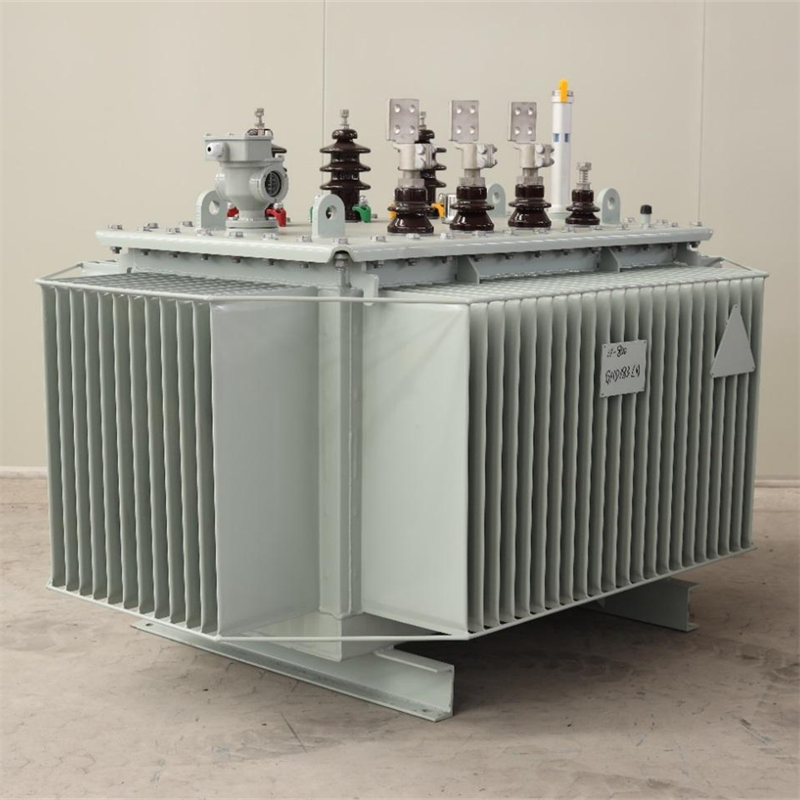
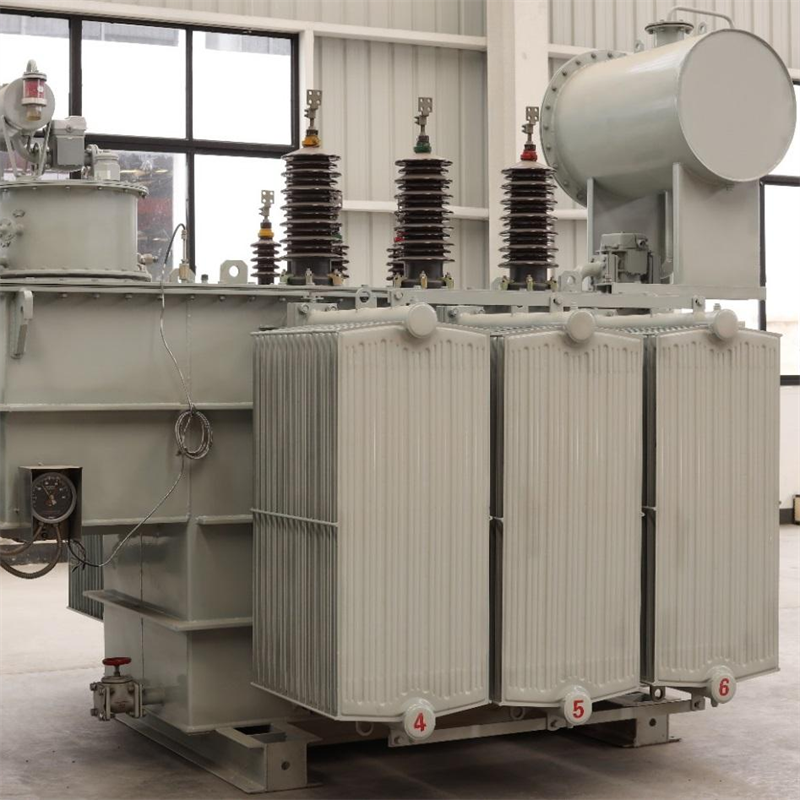
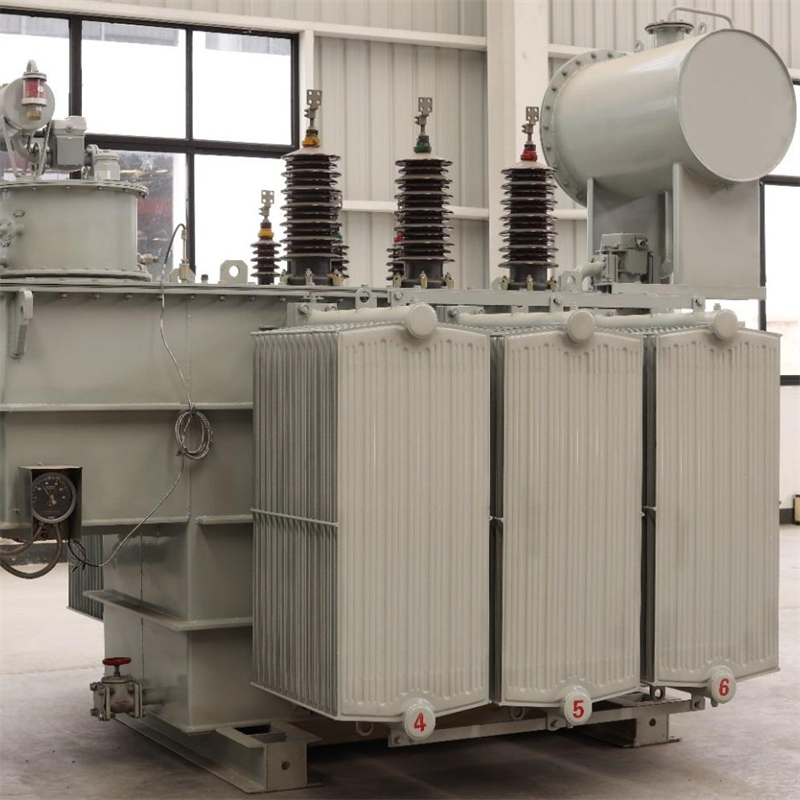
Inverter duty transformers are specialized electrical devices designed to support high-performance applications, particularly in environments where variable frequency drives (VFDs) are used. These transformers are critical for ensuring stable and reliable power delivery in industrial settings, raising concerns among buyers regarding quality, specifications, and suitability for their specific applications. This article aims to provide B2B buyers with detailed insights into dc power transformer, including key specifications, quality evaluation, cost factors, applications across various industries, and considerations for supplier comparisons.

How to Evaluate the Quality of Inverter Duty Transformers

Quality evaluation of Bading inverter duty transformers is essential to ensure reliability and performance. Here are some critical aspects to consider: 

Certifications and Standards: Look for transformers that meet international standards such as IEC or ANSI. These certifications indicate that the transformer has been tested for quality and safety. 

Material Selection: High-quality materials, including copper windings and high-grade insulation, are vital for durability and performance. Buyers should inquire about the materials used in the transformer's construction. 

Manufacturing Process: Understanding the manufacturing process can provide insights into quality control measures. A manufacturer with a rigorous quality assurance program will typically deliver more reliable products. 

Testing Procedures: Before shipment, solar transformer should undergo various tests, including power factor tests, insulation resistance tests, and thermal imaging assessments. Requesting documentation of these tests can help confirm quality. 

Warranty: A solid warranty can reflect the manufacturer's confidence in their product's reliability. Buyers should consider the warranty length and what it covers, including potential defects and performance issues. 

By evaluating these quality factors, buyers can mitigate the risk of purchasing subpar products and ensure they receive reliable equipment for their operations.

Cost Factors to Consider When Purchasing Inverter Duty Transformers

The cost of inverter duty transformers can vary significantly based on several factors. Understanding these can help buyers budget effectively: 

Specifications: As previously mentioned, the specifications of the transformer, including power rating and voltage, directly influence the price. Higher ratings typically result in higher costs. 

Customization: Custom transformers designed to meet unique specifications may incur additional costs. Buyers should weigh the benefits of customization against their budget constraints. 

Manufacturing Volume: Bulk orders often attract discounts. Companies should consider their production needs and explore pricing structures for larger quantities. 

Supplier Reputation: Established suppliers with a strong track record may charge a premium for their products. However, the reliability and support offered can justify higher upfront costs. 

Shipping and Handling: Depending on the location of the supplier and the destination, shipping costs can significantly impact the overall purchase price. Buyers should factor in these additional expenses. 

Installation Costs: The complexity of installation can also affect total costs. Buyers should consult with their installation team to understand any potential challenges that could incur additional expenses. 

By considering these factors, buyers can make more informed financial decisions and secure the best value for their investment.

Applications of Inverter Duty Transformers in Various Industries

Inverter duty transformers play a crucial role across multiple industries where power control and efficiency are paramount. Some common applications include: 

Manufacturing: Used in assembly lines and automated systems, these transformers help ensure consistent power delivery for machinery that requires variable speed drives. 

Renewable Energy: In solar and wind energy systems, inverter duty transformers manage the electricity generated, ensuring it is compatible with the grid or storage systems. 

HVAC Systems: They support variable frequency drives in heating, ventilation, and air conditioning systems, contributing to energy efficiency and performance. 

Water Treatment: In water and wastewater treatment facilities, these power transformer provide reliable power to pumps and other equipment that require precise control. 

Mining and Minerals Processing: Inverter duty transformers are essential for heavy-duty applications in mining, where they power machinery under variable loads. 

By understanding the various applications, buyers can better assess their own needs and determine how inverter duty transformers can enhance their operational efficiencies.

Comparing Supplier Options for Inverter Duty Transformers Procurement

Choosing the right supplier for Bading inverter duty transformers is a critical step in the procurement process. Here’s how to compare options effectively: 

Experience and Expertise: Assess the supplier’s experience in manufacturing inverter duty transformers. Suppliers with a solid background in the industry are more likely to offer reliable products and support. 

Customization Capabilities: Ensure the supplier can accommodate specific requirements, whether for unique specifications or tailored solutions. This flexibility can be crucial for specialized applications. 

Quality Assurance Practices: Inquire about the supplier’s quality control processes and testing procedures. Suppliers that implement rigorous standards are likely to provide superior products. 

Customer Support: Evaluate the level of technical support and customer service offered. Good communication and assistance can greatly enhance the purchasing experience. 

Lead Times: Compare lead times between suppliers to ensure they can meet project timelines. Delays in delivery can impact overall project schedules. 

Reputation and References: Research the supplier’s reputation within the industry. Customer testimonials and case studies can provide valuable insights into their reliability and performance. 

By carefully comparing these factors, buyers can select a supplier that aligns with their operational needs and quality expectations, leading to successful procurement of inverter duty transformers. 

Key Specifications of Inverter Duty Transformers for Bulk Orders

When procuring Bading inverter duty transformers, understanding key specifications is fundamental. These transformers typically feature insulation systems that can withstand high levels of voltage and thermal stress, as well as robust construction to handle electrical fluctuations caused by VFD operation. 

Voltage Rating: This specification indicates the maximum voltage the transformer can handle. It is crucial to ensure that the voltage rating matches the requirements of the application to prevent electrical breakdowns. 

Power Rating: Measured in kilovolt-amperes (kVA), this specification determines the transformer's capacity to handle load. Buyers should calculate their total load requirements to select the appropriate power rating. 

Frequency: Inverter duty transformers are often designed to accommodate both 50 Hz and 60 Hz applications. Ensuring compatibility with the operational frequency of the system is essential for optimal performance. 

Temperature Rise: This specification refers to the maximum allowable temperature increase in the transformer during operation. A lower temperature rise typically indicates better efficiency and longer lifespan. 

Impedance: The percentage impedance affects voltage drop and short-circuit currents. Buyers should consider their system's requirements to select the appropriate impedance level. 

Cooling Method: Transformers may utilize air or liquid cooling systems. The choice of cooling method can impact performance and efficiency, particularly in high-load applications. 

Understanding these specifications will empower buyers to make informed decisions and ensure the selected inverter duty transformers meet their operational needs.

Get a Free Quote

Our representative will contact you soon.
0/1000