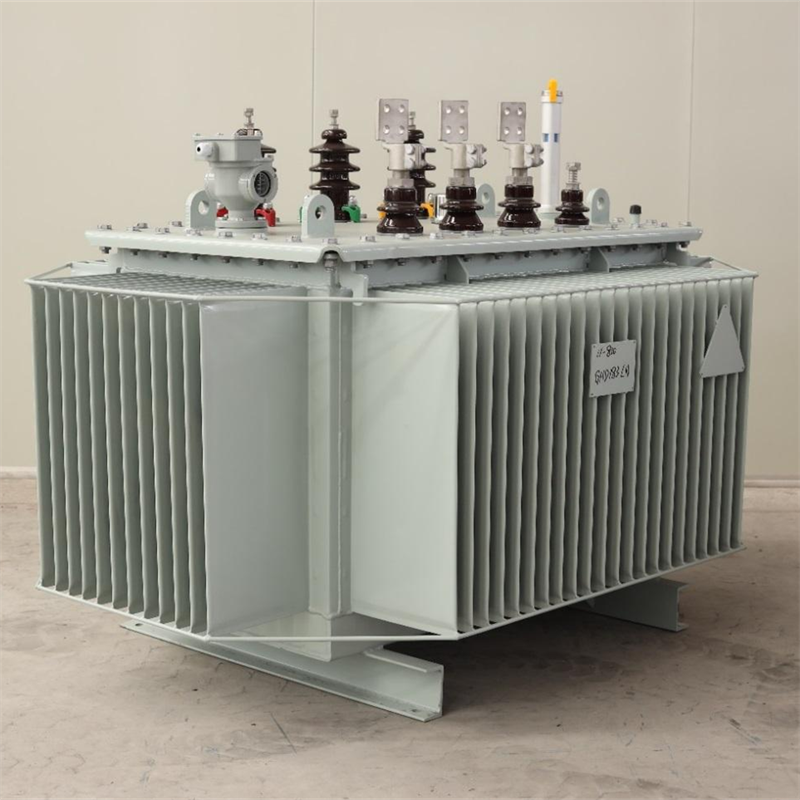
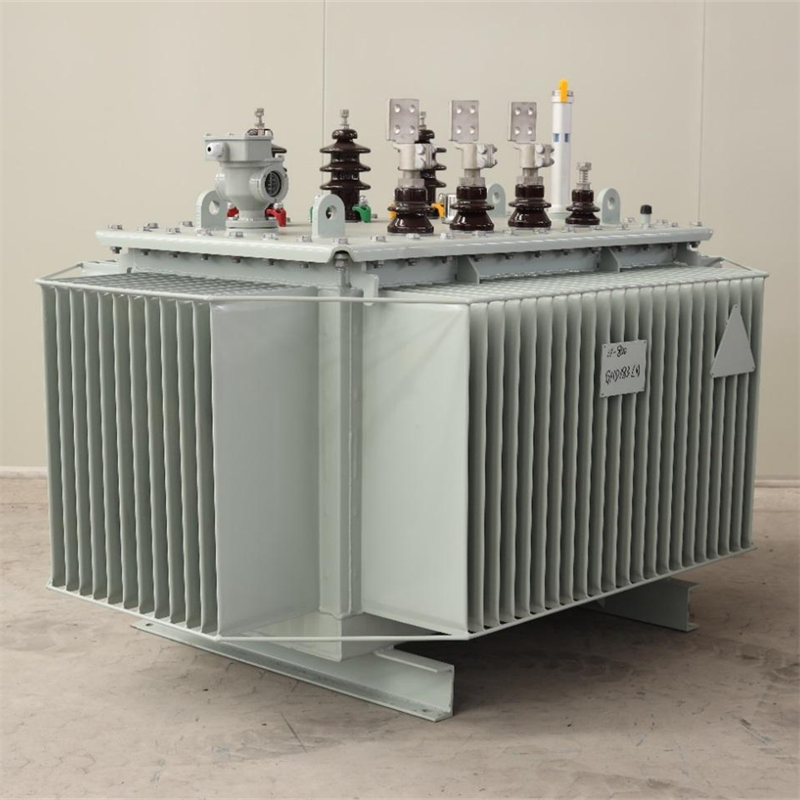
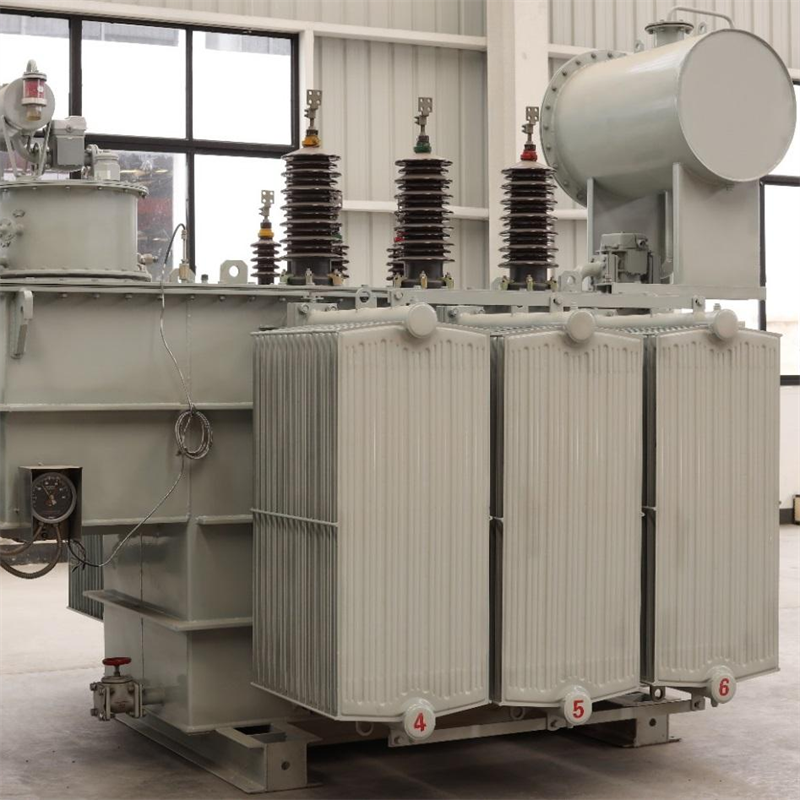
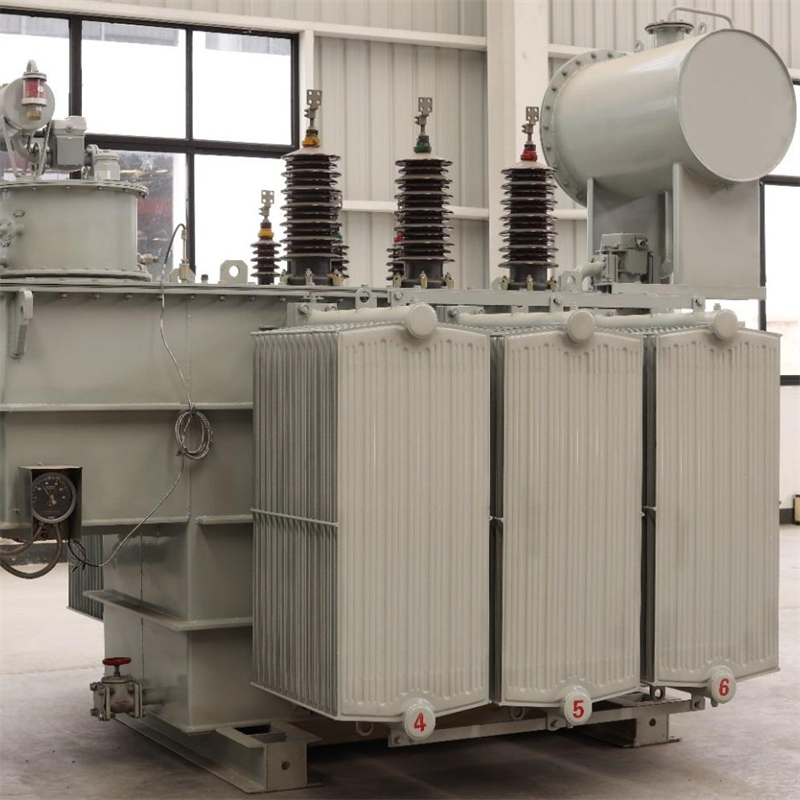
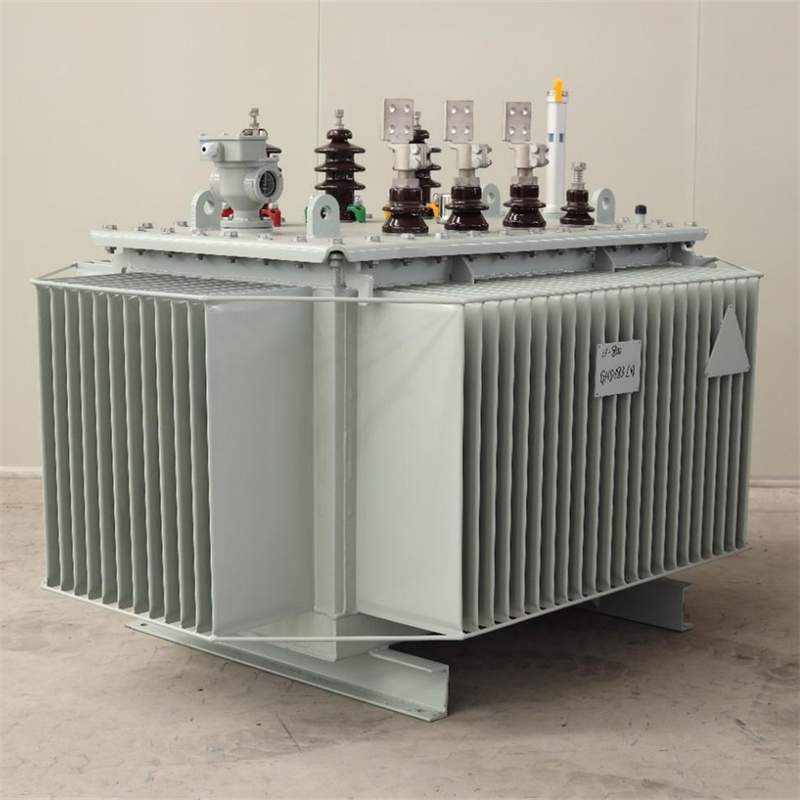
1000 KVA Transformer: Key Specifications & Applications

application/trafo-1000-kva, application/trafo-1000-kva, 
Inquiry
Inquiry

Trafo 1000 kva

A 1000 KVA transformer plays a crucial role in electrical distribution, serving as an essential component for various industrial applications. Buyers often face concerns about specifications, reliability, and compatibility with existing systems, we will cover key specifications to evaluate, wholesale purchasing options, cost factors, installation guidance, and the diverse applications of power transformer, helping you make an informed decision for your business needs.

Wholesale Purchasing Options for 1000 KVA Transformers

When looking to purchase  Bading 1000 KVA transformers wholesale, buyers should consider several avenues: 

Direct Manufacturer: Purchasing directly from a manufacturer like Bardeen Equipment Co., Ltd. allows for customization options and direct access to technical support. This route often yields better pricing and guarantees product quality. 

Distributors: Established distributors may offer a range of products from multiple manufacturers. This can be beneficial for buyers looking for competitive pricing or a variety of options without the commitment of bulk ordering. 

Online Marketplaces: Platforms specializing in industrial equipment may provide a convenient way to compare prices and specifications from various suppliers. However, buyers must ensure they verify the credibility of sellers and the quality of the products. 

Bid Requests: For larger projects, issuing a Request for Quotation (RFQ) to multiple suppliers can help identify the best pricing and terms. Including detailed specifications and required performance criteria in the RFQ will yield more accurate responses. 

By evaluating these purchasing options, buyers can secure the best deal on 1000 KVA transformers while ensuring they meet their operational needs.

Cost Factors to Consider When Buying a 1000 KVA Transformer

The total cost of a 1000 KVA transformer extends beyond the initial purchase price. Key cost factors include: 

Material Costs: The type of materials used in the transformer construction, such as copper or aluminum windings, can significantly impact the price. Copper is generally more expensive but offers better conductivity and efficiency. 

Customization: Custom features, such as specific voltage ratings or additional protection measures, may increase costs. Assessing the necessity of these customizations is crucial in balancing performance with budget constraints. 

Delivery and Installation: Shipping costs and installation fees can add substantial amounts to the total expenditure. Buyers should consider logistics and installation capabilities when budgeting for their transformer purchase. 

Long-term Operating Costs: Efficiency ratings directly influence electricity costs over the transformer's lifetime. A more efficient model may have a higher initial cost but result in lower operational expenses. 

Warranty and Support: Inquire about warranty terms and after-sales support. A longer warranty or comprehensive service package may justify a higher upfront cost by minimizing future maintenance expenses. 

Understanding these cost factors enables buyers to make well-informed purchasing decisions that align with their financial and operational goals.

Installation Guidance for 1000 KVA Transformers in Industrial Settings

Proper installation of a Bading 1000 KVA transformer is critical for optimal performance and safety. Here are essential guidelines: 

Site Preparation: Ensure the installation site is level and capable of supporting the transformer’s weight. Adequate space for maintenance access and airflow for cooling should also be considered. 

Electrical Connections: Engage qualified electricians to handle the electrical connections. Proper grounding and adherence to local electrical codes are vital for safety and compliance. 

Cooling System Setup: If the transformer is oil-cooled, ensure that the cooling system is properly configured and that oil levels are adequate. Regular monitoring of temperature and fluid levels post-installation is essential. 

Testing and Commissioning: Before full operation, conduct thorough testing to verify the transformer's performance under load conditions. This includes checking voltage levels, efficiency, and insulation integrity. 

Documentation: Maintain detailed records of the installation process, including any modifications made during installation. This documentation aids in future maintenance and troubleshooting. 

Following these installation guidelines helps ensure the longevity and reliability of a 1000 KVA transformer in an industrial setting.

Applications of 1000 KVA Transformers in Various Industries

The versatility of Bading 1000 KVA transformers makes them suitable for multiple industrial applications, including: 

Power Generation Facilities: These transformers are often used in power plants to step down high voltages from generators for distribution to the grid or local substations. 

Renewable Energy Systems: In solar or wind energy installations, 1000 KVA transformers convert the generated electricity to appropriate voltage levels for grid integration. 

Commercial Buildings: Large commercial facilities may utilize 1000 KVA transformers for internal power distribution, ensuring reliable energy supply to various systems, from HVAC to lighting. 

Manufacturing Plants: Factories with high energy demands often rely on these transformers to support machinery and production lines, enhancing operational efficiency. 

Data Centers: With critical uptime requirements, data centers use 1000 KVA transformers to ensure stable power supply, often implementing redundancy to mitigate risks. 

Through understanding these applications, buyers can better assess how a 1000 kva transformer fits into their operational framework, ensuring it meets their specific needs.

Key Specifications to Evaluate in a 1000 KVA Transformer

When assessing a 1000 KVA transformer, several critical specifications must be considered: 

Voltage Rating: The primary and secondary voltage ratings determine the transformer's application suitability. Ensure the voltage levels match your existing electrical infrastructure to prevent operational issues. 

Efficiency: Transformers operate at varying efficiency levels, typically between 95% to 99%. A higher efficiency translates to lower energy losses during operation, which can significantly impact long-term operational costs. 

Cooling Method: Transformers can be air-cooled or oil-cooled. Air-cooled transformers are generally simpler and require less maintenance, while oil-cooled transformers are often more efficient and better suited for high-capacity applications. 

Impedance: This specification affects voltage regulation and short-circuit analysis. A dc power transformer impedance should be compatible with the system it serves to avoid potential damage or inefficiencies. 

Insulation Class: Transformers are rated by insulation class, indicating their maximum operating temperature. Selecting the right insulation class ensures durability and performance under specific environmental conditions. 

Buyers should consult with manufacturers to confirm that these specifications align with their operational requirements, as the right choices can significantly impact efficiency and reliability. 

Get a Free Quote

Our representative will contact you soon.
0/1000