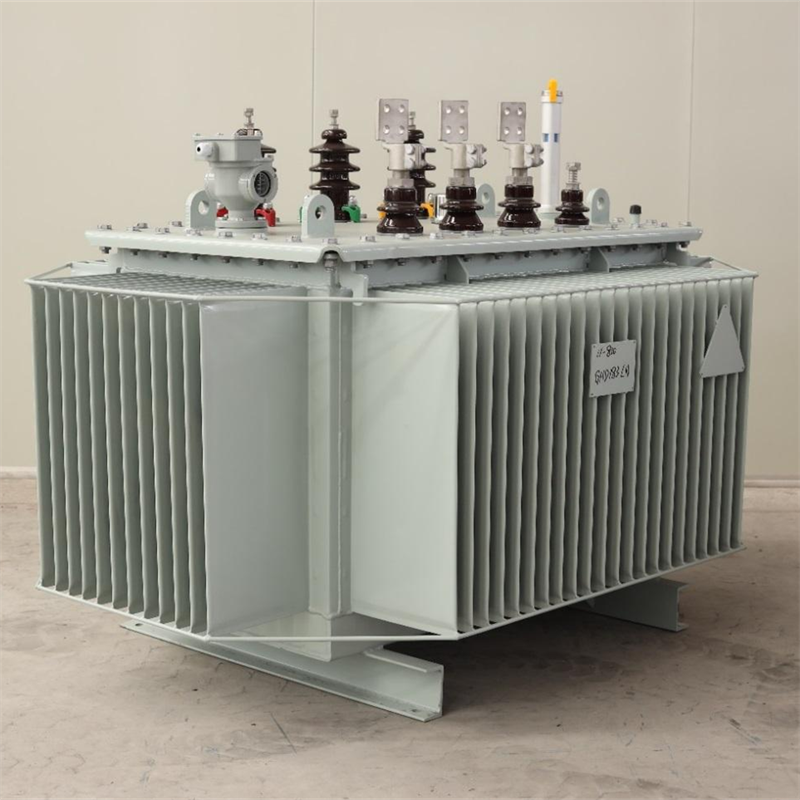
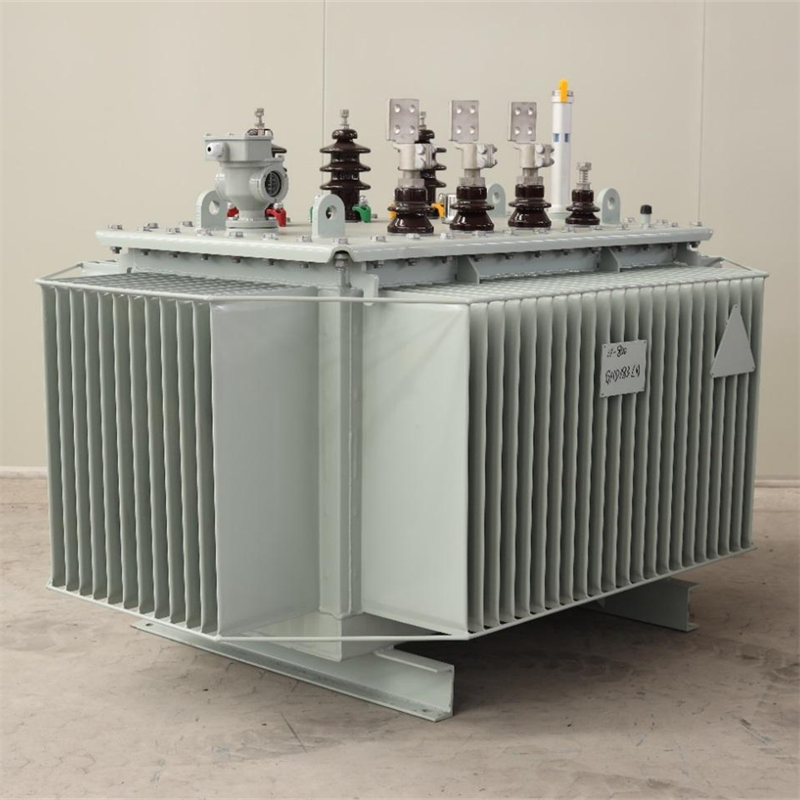
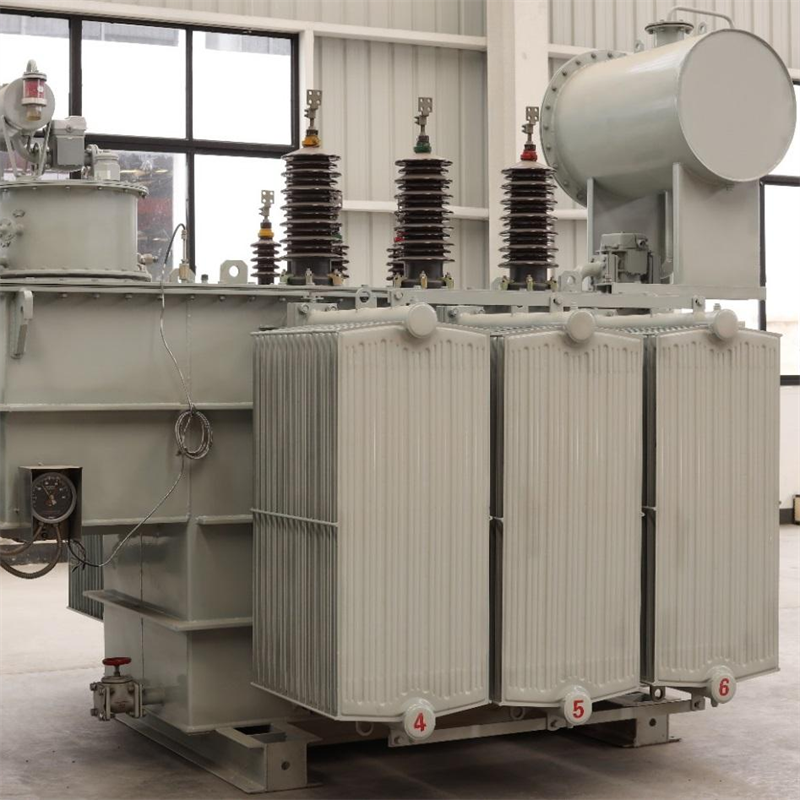
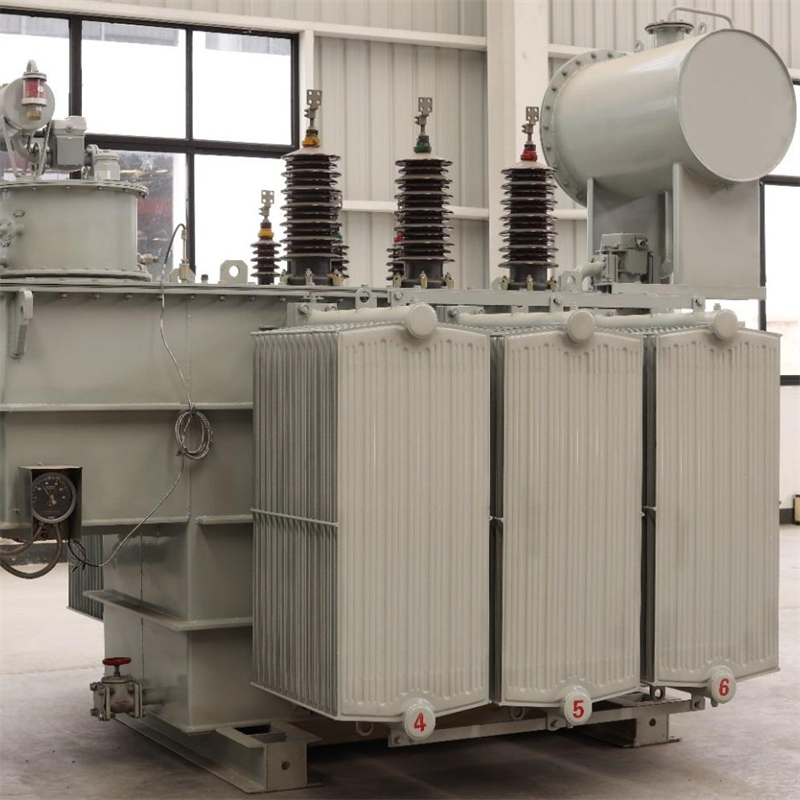
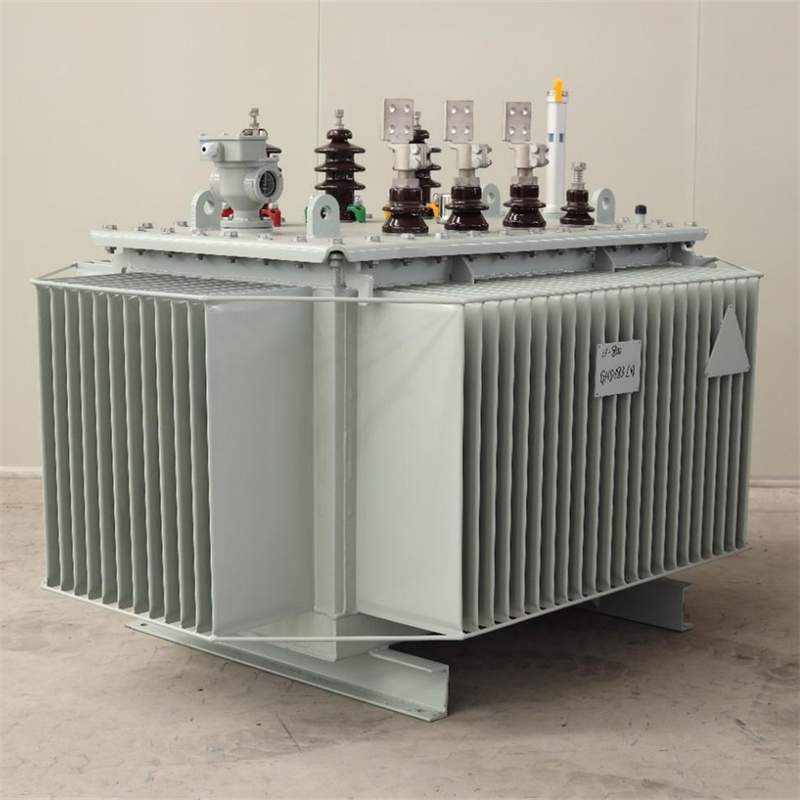
Key Specifications of 1500 kVA Transformers

application/transformer-1500-kva, application/transformer-1500-kva, 
Inquiry
application/transformer-1500-kva, application/transformer-1500-kva, 
Inquiry

Transformer 1500 kva

Transformers, particularly the 1500 kVA variant, play a crucial role in electrical systems, serving as essential components for power distribution in various applications, including power grids and commercial projects. As a B2B buyer whether a purchasing manager, engineer, or project manager, understanding the specifications, common issues, and installation requirements of 1500 kVA transformers is vital for making informed purchasing decisions. This article aims to provide a comprehensive overview of these power transformer, addressing key specifications, potential problems, cost factors, installation guidelines, and the advantages of customization. 

Common Problems with 1500 kVA Transformers and Solutions

Despite their robust design, 1500 kVA transformers can encounter several common issues during operation: 

Overheating: Caused by excessive loading or inadequate cooling, overheating can lead to insulation failure. To mitigate this, monitor load levels and ensure cooling systems are functioning correctly. 

Electrical Faults: Short circuits or insulation breakdowns can occur, potentially damaging the solar transformer. Regular maintenance and electrical testing can help identify weaknesses before they lead to failures. 

Noise Issues: Transformers can generate noise due to magnetostriction or cooling systems. While some noise is normal, excessive noise may indicate mechanical issues. Consulting with manufacturers for quieter designs can be beneficial. 

Poor Voltage Regulation: This can arise from incorrect impedance settings or improper connections. To address this, ensure that the transformer is correctly rated for the application and properly connected within the system. 

By understanding these potential problems and their solutions, buyers can better prepare for maintenance and operational challenges. 

Cost Factors to Consider When Purchasing 1500 kVA Transformers

The cost of a 1500 kVA transformer can vary significantly based on multiple factors: 

Material and Build Quality: High-quality materials, such as copper windings and robust insulating materials, can increase initial costs but may reduce long-term operational expenses due to improved efficiency and lower maintenance. 

Customization: Custom configurations, such as specific voltage ratings or specialized cooling systems, can also affect pricing. While customization offers tailored solutions, it can increase lead times and costs. 

Supplier Reputation: Established manufacturers, like Bardeen Equipment Co., Ltd., often command higher prices due to their certifications and proven performance. Evaluating supplier reliability and service history can justify the investment. 

Additional Features: Features such as integrated monitoring systems or enhanced corrosion resistance coatings can add to the initial cost but may provide long-term savings through reduced maintenance and operational efficiencies. 

Understanding these factors will enable buyers to make informed decisions that align with their budget and operational requirements. 

Installation Guidelines for 1500 kVA Transformers in Various Applications

Proper installation of a 1500 kVA transformer is critical to its performance and longevity. Here are essential guidelines to follow: 

Site Preparation: Ensure that the installation site is level and can accommodate the transformer’s weight and dimensions. Adequate space should be provided for maintenance and airflow. 

Electrical Connections: Follow all local electrical codes when making connections. Ensure that the wiring is appropriately rated for the transformer's voltage and current levels. 

Grounding: Proper grounding is vital for safety and performance. Utilize a grounding system that meets local regulations to protect against electrical faults. 

Cooling Considerations: If using an oil-cooled transformer, ensure that the cooling system is installed according to manufacturer specifications to prevent overheating. 

Testing Before Commissioning: Conduct thorough testing of the transformer after installation but before it goes live. This should include insulation testing and verification of all electrical connections. 

Adhering to these installation guidelines will enhance the reliability and efficiency of the transformer, minimizing future operational issues. 

Advantages of Customization in 1500 kVA Transformer Solutions

Customization of 1500 kVA transformers offers several advantages that can significantly enhance project outcomes: 

Tailored Performance: Custom transformers can be engineered to meet specific voltage, impedance, and cooling requirements, ensuring optimal performance for unique applications. 

Enhanced Efficiency: Custom designs can incorporate features that improve energy efficiency, such as optimized core materials or advanced cooling solutions, leading to lower operational costs. 

Space Optimization: Custom dimensions can be designed to fit specific installation environments, helping to maximize space and improve overall project design. 

Increased Reliability: Custom transformers can be built with enhanced materials and features that suit the operating environment, leading to greater longevity and reduced maintenance needs. 

Support for Future Expansion: Custom transformers can be designed with scalability in mind, ensuring that they can accommodate future growth and changes in load requirements. 

By investing in customization, buyers can ensure that their 1500 kVA transformers not only meet current needs but also adapt to future demands, providing long-term value.  

Key Specifications of 1500 kVA Transformers for Bulk Orders

When evaluating 1500 kVA transformers, several key specifications must be considered to ensure they meet your operational needs. These specifications include:  

Voltage Rating: Transformers are available in various voltage ratings, typically ranging from 240V to 13.8kV. The voltage rating affects the transformer’s ability to handle specific loads, so confirm it aligns with your system requirements. 

Cooling Method: 1500 kVA transformers may utilize air or oil cooling systems. The cooling method impacts efficiency and operational lifespan, with oil-cooled transformers generally offering better heat dissipation for heavy loads. 

Impedance: The impedance rating, usually expressed in percentage, is critical as it influences voltage regulation and short-circuit behavior. A typical impedance for a 1500 kVA transformer might range from 4% to 6%. 

Connections: Transformers can have different winding configurations, such as delta or wye. This choice affects phase relationships and voltage levels, which are important for compatibility with existing systems. 

Regulations and Certifications: Ensure that the transformer for power comply with relevant standards, such as IEC, to confirm quality and safety. 

Understanding these specifications will help you select the right transformer for your project, ensuring compatibility and efficiency. 

Get a Free Quote

Our representative will contact you soon.
0/1000